
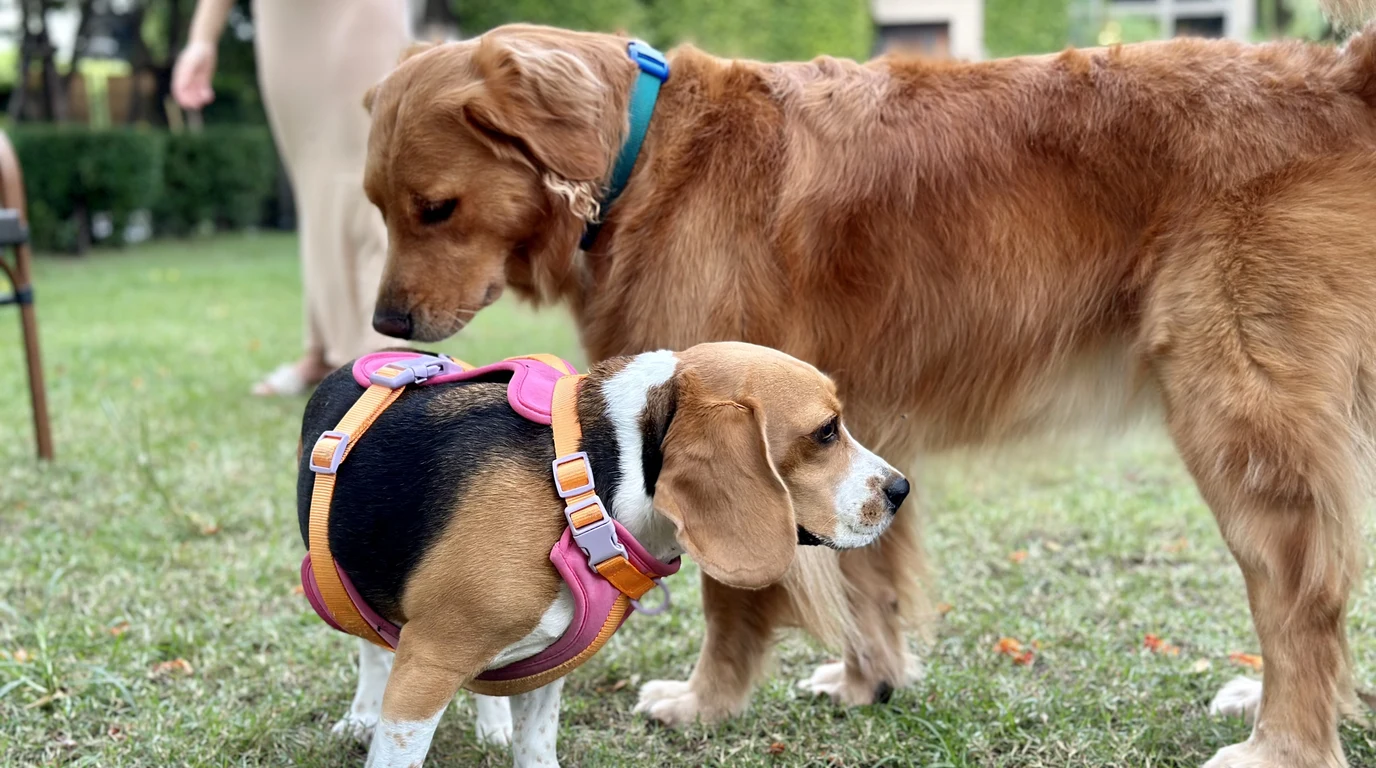
The Olfactory Superhighway: Why Sniffing Exhausts Dogs Better Than Running
Many well-intentioned pet parents believe that an energetic, anxious, or hyperactive dog simply needs more physical exercise. They purchase automatic ball launchers, throw tennis balls until the dog pants heavily, or take their dogs on fast-paced 5-mile road runs. Yet, when they return home, the dog remains restless, hyper-vigilant, and unable to settle.
High-arousal, repetitive aerobic activities spike circulating adrenaline and cortisol. In contrast, **olfactory exploration** engages the dog’s primary cognitive processing organ. While humans perceive the world predominantly through vision, dogs view reality through a multi-layered chemical landscape. Processing complex scent molecules through the vomeronasal organ and olfactory cortex requires immense computational brainpower, providing profound, natural neurological calm.
Neurobiology of Scent Processing: Vomeronasal Organ & Cortisol Reduction
To understand the profound physiological impact of scent work, examine the anatomical adaptations of the canine olfactory apparatus:
| Anatomical Feature | Canine Olfactory Biology | Behavioral & Cognitive Impact |
|---|---|---|
| Olfactory Receptor Cells | 220 – 300 Million (vs. 5 Million in humans) | Detects chemical volatile compounds at 1 part per trillion |
| Olfactory Bulb Size | 40x proportionally larger than human bulb | Massive neural bandwidth dedicated to processing environment |
| Vomeronasal Organ (Jacobson’s) | Auxiliary olfactory organ above hard palate | Decodes non-volatile social pheromones directly to amygdala |
| Aerodynamic Inhalation | Sub-ethmoidal shelf separates breathing from smelling | Enables continuous sampling (up to 7 sniff cycles per second) |
Practical At-Home Scent Games for Mental Longevity
You do not need formal competition scent-work gear to unlock the cognitive benefits of nose work. Implement these three evidence-based exercises:
1. The “Find It” Foraging Scatter
Take a handful of freeze-dried single-ingredient treats (such as beef liver or lung) or healthy crunchy veggies (like chopped carrots). With your dog watching in a stay position, scatter the treats across a patch of dense tall grass or into an indoor snuffle mat. Release your dog with the cue *”Find It!”*. Searching through the 3D grass grid forces your dog to shift from visual hunting to olfactory triangulation, immediately slowing respiration and inducing deep focus.
2. The Multi-Box Shell Game
Collect six to ten cardboard shipping boxes of varying sizes and place them upside down across your living room floor. Place a fragrant treat beneath one box while your dog waits outside the room. Bring your dog in and allow them to search the perimeter. When they pinpoint the correct box, immediately praise and lift the box to reward. Gradually add essential oil scents (like birch or clove) to build professional nose-work discrimination.
3. The 15-Foot Long-Line Sniffari
Replace your standard 4-foot tight leash with a lightweight 10-to-15-foot biothane long line attached to a supportive Y-harness. Take your dog to an open park, forest trail, or quiet suburban greenway. Do not march them in a military heel. Allow the dog to dictate the route, pause for 60 seconds to inspect a tree trunk, and thoroughly read the chemical “neighborhood news”. Twenty minutes of an autonomous sniffari leaves a dog more content and relaxed than an hour of forced leash walking.
The Epigenetic & Neurochemical Benefits of Sniffaris: BDNF & Dopamine
Neuroscience research demonstrates that olfactory enrichment triggers dramatic biochemical shifts within the canine central nervous system:
When a dog engages in autonomous scent discrimination, the brain releases pulses of **dopamine** (the neurotransmitter of anticipation and curiosity) and stimulates the synthesis of **Brain-Derived Neurotrophic Factor (BDNF)** in the hippocampus. BDNF promotes neurogenesis—the growth of new neurons and synaptic connections—which directly counteracts the age-related cerebral atrophy seen in senior canines.
Furthermore, allowing dogs to sniff during decompression walks provides positive agency and autonomy. Modern domestic dogs live lives characterized by almost complete human control: we decide when they eat, when they eliminate, where they walk, and whom they greet. Granting 20 to 30 minutes of self-directed olfactory choice restores biological autonomy, resolving chronic frustration behaviors, barrier reactivity, and indoor hyperactivity naturally.
Incorporating Novel Aromas: Botanical Terpenes and Scent Libraries
You can easily rotate novel scent challenges at home by creating a canine “Scent Library”:
- Culinary Herbs & Spices: Place dried chamomile flowers, fresh rosemary sprigs, sweet basil, or crushed ginger into sterile stainless steel tea diffusers. Hide them inside cardboard tubes or beneath outdoor garden pavers for your dog to track.
- Wild Animal Scents: For hunting and working breeds, introducing certified synthetic animal scents (such as rabbit, pheasant, or deer tracking scents) channeled along outdoor vegetation provides an intense, biologically satisfying predatory motor pattern outlet without harm to wildlife.
Canine Sniffing Dynamics: The Aerodynamic Science of the Exhalation Slit
The canine nose is an aerodynamic masterpiece of fluid dynamics:
When a dog exhales during scent work, air does not blow forward to displace scent particles. Instead, expired air exits through specialized lateral alar folds (slits on the sides of the nostrils). This side-venting airflow generates an aerodynamic low-pressure vortex in front of the nose, pulling fresh, undisturbed scent-laden ground air directly into the central nasal cavity on the subsequent inhalation. This continuous fluid cycle allows a dog to track minute chemical trails across concrete and turf uninterrupted for hours.
Engaging in regular scent exploration also strengthens the human-canine bond through shared cooperative exploration. When you step back and trust your dog’s nose, walking transforms from a frustrating tug-of-war into a mutually enjoyable, restorative mindfulness exercise for both guardian and dog.
FAQ: Canine Scent Games & Sniffaris
Will letting my dog sniff on walks ruin their loose-leash heel walking?
Can scent games help senior dogs suffering from dementia?
Is 20 minutes of sniffing truly equal to a 60-minute physical walk?
Before structuring low-arousal olfactory decompression walks or scent games, evaluate how sensory tools soothe the canine autonomic nervous system. Read our forensic guide: Canine Lick Mats vs Snuffle Mats: Anxiety Science.