
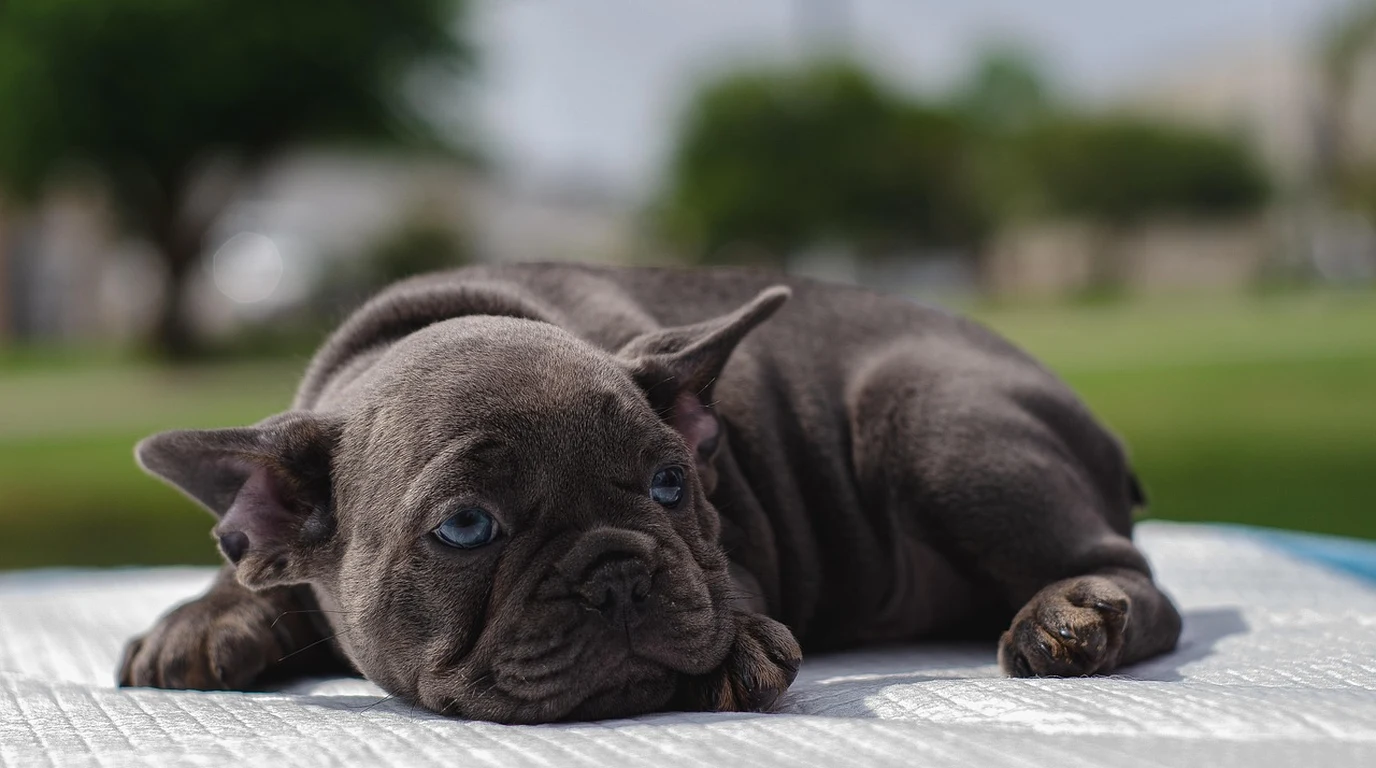
If you have ever stared at your French Bulldog gasping for air after a short walk in mild weather, or if their nighttime snoring shakes the walls and sounds like a congested freight train, you are witnessing the direct impact of Brachycephalic Obstructive Airway Syndrome (BOAS). The immense popularity of the French Bulldog has brought with it a quiet epidemic of respiratory distress. Far too many owners—and, unfortunately, some breeders—dismiss these alarming clinical symptoms as “normal for the breed” or simply “cute Frenchie noises.” The anatomical and physiological reality is far more severe. Those endearing snorts, grunts, and aggressive snoring episodes are often the audible symptoms of chronic, progressive oxygen deprivation and physical suffering. When a dog cannot breathe freely, every physiological system—from the cardiovascular network to cellular metabolism—is placed under immense, cumulative stress, dramatically reducing their overall healthspan, vitality, and longevity.
As the Lead Science Writer and Canine Longevity Editor for CanineHorizon, I review thousands of clinical respiratory case studies and veterinary surgical outcomes. The data is unambiguous: treating BOAS proactively rather than reactively is the single most critical intervention for extending a brachycephalic dog’s lifespan. By understanding the mechanical failures of their airways, differentiating between normal idiosyncrasies and pathological suffering, and knowing exactly when to pursue corrective surgery or lifestyle modifications, you can rewrite your Frenchie’s genetic destiny.
The Reality of BOAS in French Bulldogs
Brachycephalic Obstructive Airway Syndrome is not a single disease, but rather a complex matrix of anatomical deformities that obstruct a dog’s upper airway. French Bulldogs have been selectively bred over generations to possess flat faces, shortened skulls, and compact muzzles. However, while their external skull bones have shrunk, the internal soft tissues of their airways have not diminished proportionally. This creates a highly compressed, cramped internal architecture where excess tissue bundles up and physically blocks the passage of air. Imagine trying to breathe through a tightly pinched cocktail straw while running on a treadmill—that is the daily reality for a Frenchie suffering from advanced BOAS. Every breath requires intense effort.
The syndrome primarily manifests in several specific anatomical choke points. The first and most visible are stenotic nares, which are severely narrowed or collapsed nostrils. A healthy dog’s nostrils should be wide and open, allowing for maximum, frictionless air intake during both rest and exertion. In many Frenchies, the nostril slits are barely visible, forcing the dog to exert immense negative pressure in their chest just to pull a baseline volume of air into their lungs. This constant, forceful suction effect is not just tiring; over time, it physically damages the internal airway structures, causing them to inflame, swell, and eventually collapse further. The structural integrity of the cartilage fails under the constant vacuum.
The second primary issue is an elongated soft palate. Because the skull is compressed, the soft palate (the flap of tissue at the back of the roof of the mouth) is often too long for the shortened oral cavity. When the dog breathes in, this excess tissue gets sucked backward, vibrating wildly and partially or completely blocking the tracheal opening. This is the anatomical mechanism behind the classic “Frenchie snort” and the severe snoring. It is also a primary cause of sleep apnea in these dogs. Every time they fall into a deep sleep, the relaxed tissue occludes the airway, dropping their blood oxygen levels and forcing them to wake up gasping. Chronic sleep deprivation and intermittent hypoxia lead to systemic inflammation, hypertension, and a severely compromised immune system, silently killing the dog from the inside out.
Furthermore, many Frenchies suffer from everted laryngeal saccules and hypoplastic tracheas (an abnormally narrow windpipe). The saccules are small pockets of tissue located just inside the larynx. The chronic high-pressure vacuum created by struggling to breathe through pinched nostrils and past an elongated palate literally sucks these saccules inside out, further obstructing the narrow airway. When these primary and secondary abnormalities combine, they create a catastrophic respiratory bottleneck that severely limits the animal’s potential for a vibrant life.
The Dangerous Myth of “Normal for the Breed”
The most dangerous and pervasive myth in the brachycephalic community is the normalization of suffering. When a new Frenchie owner brings their puppy to the park, they might hear other owners dismiss gagging, regurgitation, and exercise intolerance as “just typical Frenchie things.” This cognitive dissonance is a massive barrier to veterinary care. We must rigorously redefine the baseline of health for brachycephalic breeds. A dog that cannot walk around the block in 70-degree weather without turning blue, collapsing, or violently panting is not exhibiting “breed quirks”—they are experiencing life-threatening respiratory distress.
How do you distinguish between normal canine behavior and clinical suffering? The indicators are measurable and undeniable. Sleep apnea is a massive red flag. If your French Bulldog sleeps with a toy in their mouth to keep their airway open, frequently wakes up choking, or props their chin on elevated surfaces to sleep, they are fighting for oxygen while they rest. A healthy dog should sleep deeply, quietly, and continuously, without ever fighting the anatomy of their own throat.
Exercise intolerance is another glaring indicator. A young, structurally sound dog should be able to trot, play, and explore without immediately needing to lie down and heavily pant. If your Frenchie requires a 20-minute recovery period of strenuous, whole-body panting after a simple 5-minute play session, their respiratory system is failing to meet their basic metabolic oxygen demands. Additionally, regurgitation of food or white foam is often tied directly to BOAS. The intense vacuum effect in the chest caused by trying to suck air through obstructed airways can draw stomach acid and food up into the esophagus, leading to chronic hiatal hernias and severe gastrointestinal distress.
The ultimate and most terrifying consequence of untreated BOAS is the exponentially elevated risk of heat stroke. Dogs do not sweat like humans; they regulate their core body temperature almost exclusively through panting, which evaporates moisture from their respiratory tract. A French Bulldog with BOAS cannot efficiently move air in and out of their lungs. Consequently, their primary cooling mechanism is fundamentally broken. In even moderately warm or humid conditions, a Frenchie’s core temperature can spike to lethal levels (over 106°F or 41°C) in a matter of minutes, leading to irreversible organ failure, brain damage, and death. Every summer, veterinary emergency rooms are flooded with brachycephalic dogs suffering from preventable thermal collapse.
BOAS Corrective Surgery: Timing, Cost, and Outcomes
For a significant percentage of French Bulldogs, conservative management is not enough, and surgical intervention is the only viable path to a normal, pain-free life. BOAS surgery is a collective term for a series of procedures designed to mechanically open the anatomical choke points. The most common procedures include widening the stenotic nares (removing a wedge of tissue to open the nostrils) and shortening the elongated soft palate to prevent it from blocking the trachea. In severe cases, the surgeon may also remove everted laryngeal saccules and perform tonsillectomies to further widen the airway and increase functional volume.
When to Operate: Timing is absolutely critical. Many progressive veterinary surgeons now recommend evaluating puppies for BOAS at the time of their spay or neuter, typically around 6 to 12 months of age. Prophylactic intervention—performing the surgery before the secondary changes (like everted saccules or laryngeal collapse) occur—yields vastly superior long-term outcomes. If you wait until the dog is 4 or 5 years old and actively collapsing from heat or exercise, the chronic negative pressure has likely already caused permanent, irreversible damage to the tracheal cartilage. Early intervention prevents this catastrophic cascading failure and ensures the dog can mature with fully functional oxygen intake.
| Intervention Stage | Typical Age | Procedures Performed | Expected Outcome & Quality of Life | Estimated Cost (USD) |
|---|---|---|---|---|
| Proactive / Early | 6 – 12 Months | Nares widening, soft palate resection | Excellent. Prevents secondary laryngeal collapse. Max lifespan extension. | $2,500 – $4,500 |
| Reactive / Moderate | 2 – 4 Years | Nares, palate, saccule removal | Good. Significant improvement in exercise tolerance and sleep quality. | $3,500 – $5,500 |
| Salvage / Severe | 5+ Years | Full airway reconstruction, tracheostomy (rare cases) | Guarded. Permanent laryngeal damage often present. High surgical risk. | $6,000 – $9,000+ |
Cost Analysis and the Importance of Insurance: Make no mistake, BOAS surgery is a significant financial investment for any family. Because it requires a board-certified veterinary surgeon and specialized anesthesia protocols (brachycephalic dogs are highly sensitive to anesthetics and require extremely careful intubation and recovery monitoring), the costs can rapidly escalate. This underscores the absolute necessity of securing comprehensive pet insurance the very day you bring a French Bulldog puppy home, long before any pre-existing conditions are documented on their medical record. The return on investment for this procedure, however, is immeasurable. The immediate, dramatic improvement in oxygen saturation post-surgery fundamentally transforms the dog’s life and effectively pays for itself by preventing catastrophic emergency room visits for heat stroke or heart failure down the road.
Post-Surgery Recovery and Lifespan: Following a successful BOAS surgery, the transformation in a French Bulldog is often described by owners as miraculous and life-altering. Dogs that previously slept fitfully all day suddenly exhibit puppy-like energy and endurance. Their eyes are brighter, their mucosal membranes shift from a dusky blue-grey to a vibrant, healthy pink, and their chronic regurgitation often ceases entirely. By permanently alleviating the hypoxic stress on their heart and internal organs, corrective surgery directly extends their lifespan, giving you years of quality time together that would have otherwise been lost to progressive heart failure or a sudden, fatal heat stroke. It is the closest thing to a “cure” for this genetic bottleneck.
Lifestyle Modifications: Managing the BOAS Multipliers
While surgery addresses the anatomical root cause of BOAS, comprehensive lifestyle management is equally critical in maintaining your French Bulldog’s healthspan and preventing respiratory crises. Even a dog that has undergone a successful soft palate resection requires vigilant, lifelong environmental and behavioral management. The anatomical deficits cannot be ignored; they can only be managed.
The Absolute Ban on Neck Collars: A French Bulldog should never, under any circumstances, be walked on a traditional neck collar. Their tracheas are already compromised, narrow, and highly susceptible to collapse. Applying physical pressure to their neck via a leash pull can trigger intense coughing fits, severe inflammation, and can instantly crush their delicate windpipe. You must exclusively use a high-quality, front-clip, Y-shaped harness that distributes pulling force evenly across the strong bones of the chest and shoulders, completely bypassing the neck and upper airway structures. This is a non-negotiable safety requirement for every walk.
Obesity: The Lethal Multiplier: In the context of BOAS, body fat is not merely an aesthetic issue; it is a lethal multiplier. Obesity is the single greatest exacerbating factor for respiratory distress in brachycephalic breeds. Excess adipose tissue does not just accumulate on the outside of the dog; it deposits heavily in the neck and around the internal airway tissues. Every extra pound physically narrows the already constricted airway further. Furthermore, fat tissue is highly metabolically active, demanding its own oxygen supply and placing an enormous, unnecessary burden on an already struggling cardiovascular system. Keeping your Frenchie exceptionally lean—where you can easily feel their ribs without pressing hard and see a distinct waistline when viewed from above—is non-negotiable. It is the most powerful, cost-free medical intervention you can perform for their longevity.
Cooling Strategies and Heat Management: Heat stroke prevention must become a core component of your daily routine. Because a French Bulldog’s cooling mechanism is broken, you must externalize their temperature regulation. During the warmer months, all walks must be strictly limited to the coolest parts of the day—early mornings before sunrise and late evenings long after the sun has set. Never walk a Frenchie on hot pavement. Inside the house, maintain rigorous climate control. Utilize cooling mats filled with heat-absorbing gel in their favorite resting spots, and ensure they always have access to abundant, fresh, cool water. On exceptionally hot or humid days, your dog must remain in an air-conditioned environment. Humidity is particularly dangerous; even at moderate temperatures (e.g., 75°F), high humidity drastically reduces the evaporative cooling efficiency of their panting, accelerating the path to hyperthermia and systemic collapse.
Additionally, consider utilizing elevated slow-feeder bowls to prevent them from gorging their food and swallowing excessive air (aerophagia), which exacerbates gastrointestinal distress and puts pressure on their diaphragm. By minimizing aerophagia, you reduce the risk of bloat and ensure their lungs have maximum space to expand in the chest cavity. Every aspect of their daily life must be optimized to reduce physiological stress, maximize airway flow, and maintain a pristine, lean body condition.
The normalization of respiratory suffering in French Bulldogs is a profound welfare crisis that demands immediate attention. Snoring, exercise intolerance, and heat sensitivity are not cute quirks; they are the desperate symptoms of chronic hypoxia and failing anatomy. Proactive BOAS surgery—performed by a board-certified specialist before the age of two—combined with a militant commitment to keeping the dog exceptionally lean, is the definitive gold standard of care. If you own a brachycephalic breed, you must be their absolute advocate. Do not accept gasping as a baseline. Intervene early, upgrade to a Y-harness, meticulously control their weight, and you will fundamentally rewrite their healthspan trajectory, securing years of vibrant, comfortable life that honors the spirit of this incredible breed.
People Also Ask (PAA)
How do I know if my Frenchie needs BOAS surgery?
If your French Bulldog regularly snores loudly, chokes or regurgitates white foam during exercise, takes more than 10 minutes to recover from mild play, sleeps with their head elevated to breathe, or cannot tolerate warm weather without severe distress, they are a prime candidate for BOAS evaluation and surgical intervention. Chronic symptoms should never be ignored.
Is BOAS surgery risky for a French Bulldog?
While any procedure involving general anesthesia carries inherent risks—especially for brachycephalic breeds—the long-term risks of leaving severe BOAS untreated (such as fatal heat stroke, laryngeal collapse, and terminal heart failure) are vastly higher. Utilizing a board-certified veterinary surgeon and specialized anesthetic protocols minimizes surgical risks substantially and ensures a safe recovery.
Can a Frenchie live a full life without BOAS surgery?
A small minority of Frenchies with longer muzzles and wider nares may manage without surgery if their lifestyle and weight are meticulously controlled. However, for the majority showing clinical symptoms, attempting to bypass surgery usually results in a significantly shortened lifespan plagued by chronic suffering, sleep deprivation, and sudden respiratory crises. True longevity requires proper oxygenation.
What is the best age to get BOAS surgery?
The current veterinary consensus strongly favors early, proactive intervention, typically between 6 to 12 months of age, often coinciding with their spay or neuter. Operating before secondary damage (like stretched laryngeal tissue or tracheal collapse) occurs provides the absolute best long-term prognosis and prevents permanent anatomical degradation from taking root.
How long is the recovery after BOAS surgery?
Most dogs recover surprisingly fast, though vigilance is required. They typically spend one to two nights in the hospital for intense respiratory monitoring. Once home, they require strict rest, a soft food diet, and absolutely no excitement or exercise for two to three weeks to allow the surgical sites in the throat and nose to fully heal without inflammation or tearing.
While surgical interventions treat anatomical blockages, cellular nutrition protects against systemic inflammation. Read our nutritional guide on Blueberries for Dogs: Antioxidants, Brains & Dosage.
Pre-operative bloodwork requires careful evaluation of hepatic enzymes. Understand liver biomarker staging in our clinical breakdown on High Liver Enzymes in Dogs: ALT & ALP Explained.