
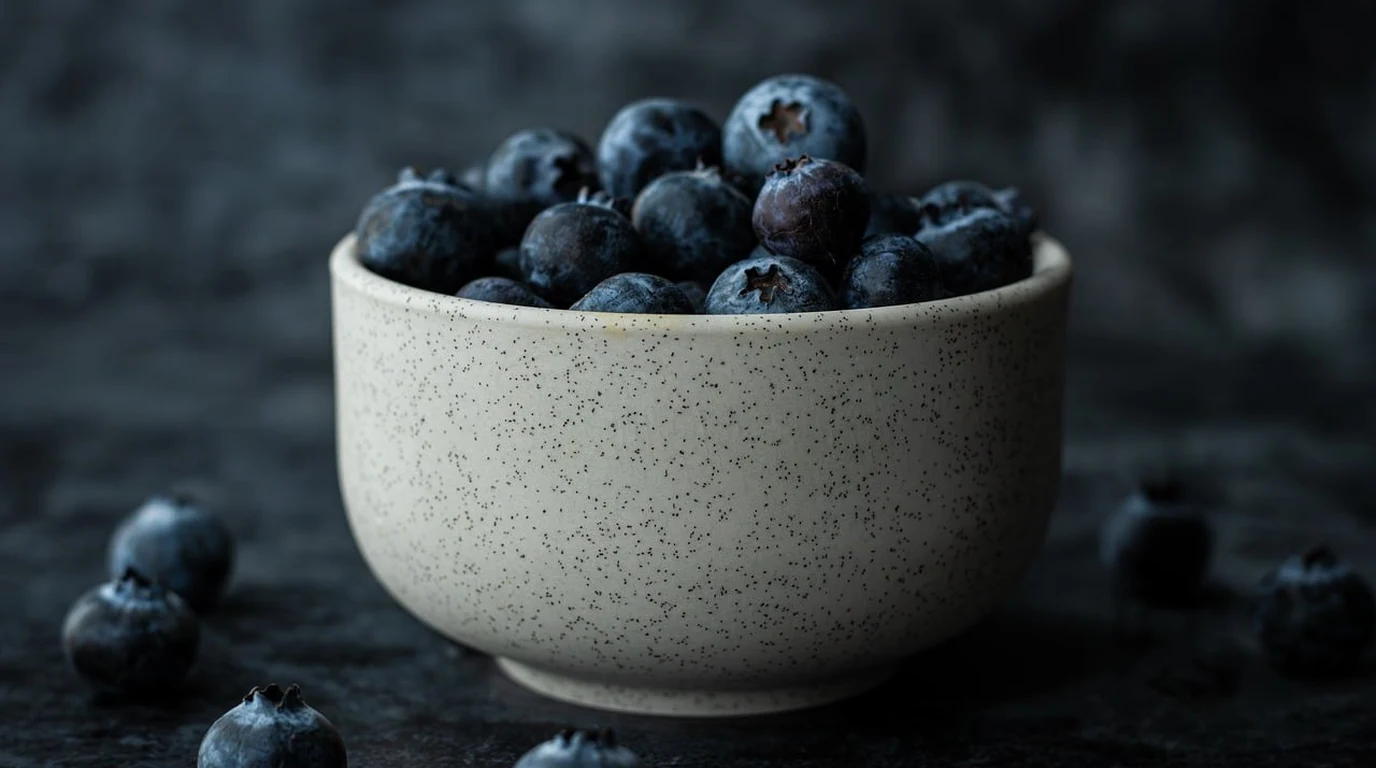
If you have ever stood at the kitchen island chopping berries while a hopeful snout rests firmly on your knee, you have likely paused to wonder whether tossing a blueberry to your companion is truly beneficial or merely a sweet indulgence. In the rapidly evolving landscape of canine longevity science, few whole foods have attracted as much clinical interest from veterinary nutritional biochemists as the modest North American lowbush blueberry. While commercial pet food manufacturers frequently sprinkle dried blueberry pomace into their kibble blends as a marketing flourish, the fragile polyphenols and biological enzymes inside whole, fresh, or flash-frozen berries offer genuine cellular protection that high-heat extrusion processing completely destroys. Understanding how anthocyanins cross the canine blood-brain barrier, how glycemic load impacts insulin sensitivity, and exactly how many berries your dog should consume daily by body weight is essential for transforming a simple kitchen treat into a targeted preventative health protocol.
Can Dogs Safely Eat Blueberries, and Do They Support Brain Health?
Yes, dogs can safely eat fresh and frozen blueberries. Rich in anthocyanins, pterostilbene, and vitamin C, blueberries possess one of the highest cellular antioxidant capacities of any whole fruit. Peer-reviewed canine neurobiology trials demonstrate that dietary blueberry polyphenols cross the canine blood-brain barrier, mitigating oxidative stress, attenuating age-related microglial neuroinflammation, and significantly improving spatial memory and executive cognitive performance in aging dogs without triggering blood sugar spikes.
The primary therapeutic interest in blueberries centers on neuroprotection. In aging canines, the brain consumes roughly 20% of the body’s total oxygen while possessing relatively low endogenous antioxidant defenses compared to visceral organs. This disproportionate metabolic demand leaves canine neural lipids and synaptic proteins highly vulnerable to free radical peroxidation. When reactive oxygen species (ROS) outpace endogenous superoxide dismutase and glutathione, neurons accumulate oxidative damage, accelerating Canine Cognitive Dysfunction (CCD)—the veterinary analog to human Alzheimer’s disease. Anthocyanins, the water-soluble flavonoid pigments that impart the deep indigo hue to blueberries, have been shown in veterinary nutritional models to actively cross into cerebral spinal fluid, directly scavenging free radicals and downregulating pro-inflammatory cytokines such as interleukin-1 beta (IL-1β) and tumor necrosis factor-alpha (TNF-α).
Furthermore, blueberries deliver significant quantities of pterostilbene, a naturally occurring dimethylated analog of resveratrol that exhibits superior lipophilic bioavailability. Pterostilbene activates the Nrf2 pathway inside canine vascular endothelial cells, prompting the dog’s own cells to upregulate internal antioxidant defenses. When integrated alongside a balanced whole-food regimen such as our superfoods for dogs whole foods guide, fresh berries provide an indispensable layer of molecular defense.
Forensic Nutritional Profile: Wild Lowbush vs. Cultivated Highbush
Not all blueberries deliver identical pharmacological value to your dog’s gut microbiome and cellular biology. When shopping for your dog, you will typically choose between wild lowbush berries (Vaccinium angustifolium) and standard grocery-store cultivated highbush berries (Vaccinium corymbosum):
| Nutritional Parameter | Wild Lowbush Blueberries | Cultivated Highbush Blueberries | Canine Health Significance |
|---|---|---|---|
| Anthocyanin Density | High (approx. 450–600 mg / 100g) | Moderate (approx. 180–300 mg / 100g) | Wild berries deliver 2x higher neuroprotective pigment concentration. |
| Skin-to-Pulp Ratio | Very High (small berries, thick skins) | Moderate to Low (plump water pulp) | The polyphenol payload resides in the skin; smaller berries offer superior potency. |
| Fructose & Sugar Content | Lower (approx. 8.5g per 100g) | Higher (approx. 10.0g per 100g) | Lower sugar minimizes metabolic insulin demand in diabetic or obese dogs. |
| Pesticide Residue Risk | Low (often harvested wild in northern bogs) | High (frequently on EWG Dirty Dozen list) | Conventionally farmed berries must be washed thoroughly or purchased organic. |
| Choking Risk (Small Breeds) | Negligible (tiny pea-sized diameter) | Slight when frozen solid (grape-sized) | Large frozen berries should be thawed or crushed for toy breeds and brachycephalics. |
Whenever practical, choose organic frozen wild lowbush blueberries from the grocer’s freezer aisle. Wild berries are flash-frozen within hours of harvest, locking in delicate polyphenols that degrade rapidly during extended transport and grocery store shelf display. Because wild berries are significantly smaller, their surface-area-to-volume ratio is much higher, meaning your dog consumes substantially more protective anthocyanin-rich skin per calorie consumed.
Glycemic Control, Fiber, and Gut Microbiome Mechanics
One of the most frequent concerns voiced by pet guardians revolves around sugar. Can diabetic dogs, overweight seniors, or dogs with yeast sensitivities consume blueberries safely? The answer lies in glycemic kinetics. Blueberries possess a low glycemic index (GI of roughly 53) and a remarkably modest glycemic load. A standard serving of ten blueberries contains less than one gram of natural fructose, paired with roughly half a gram of soluble and insoluble dietary fiber.
The soluble fiber in blueberries includes pectin, a fermentable substrate that survives gastric acid digestion and reaches the canine colon intact. Once inside the large intestine, beneficial commensal bacteria such as Faecalibacterium and Bifidobacterium ferment pectin into short-chain fatty acids (SCFAs), notably acetate, propionate, and butyrate. Butyrate serves as the primary metabolic fuel source for canine colonocytes, tightening intercellular claudin junctions and defending against intestinal hyperpermeability (“leaky gut syndrome”). For dogs experiencing chronic digestive sensitivity, combining blueberries with fermented dairy as detailed in our guide on kefir for dogs and gut healing establishes a synergistic prebiotic-probiotic matrix.
Weight-Based Daily Dosing and Feeding Guidelines
While blueberries are extraordinarily safe, whole-food bioactives follow a hormetic curve: excessive amounts can induce loose stool or diarrhea due to sudden osmotic shifts and unaccustomed fiber intake. Adhere to the following clinical feeding thresholds based on your dog’s lean body mass:
- Toy Breeds (under 10 lbs / 4.5 kg): 2 to 4 wild berries daily (or 1 to 2 large cultivated berries, sliced or smashed).
- Small Dogs (10 to 25 lbs / 4.5 to 11 kg): 4 to 8 wild berries daily (or 3 to 5 cultivated berries).
- Medium Dogs (25 to 55 lbs / 11 to 25 kg): 8 to 14 wild berries daily (or 6 to 10 cultivated berries).
- Large Breeds (55 to 85 lbs / 25 to 38 kg): 15 to 22 wild berries daily (or 10 to 15 cultivated berries).
- Giant Breeds (85+ lbs / 38+ kg): 20 to 30 wild berries daily (approx. 2 tablespoons).
For toy breeds, senior dogs with missing dentition, or brachycephalic breeds prone to airway obstruction like those evaluated in our analysis of French Bulldog breathing issues and BOAS surgery, never feed rock-hard frozen jumbo berries directly from the freezer. Always crush them with a fork or blend them into lick mats alongside plain goat milk or pumpkin puree.
Blueberries are not a cosmetic luxury or frivolous snack—they represent one of the most accessible, scientifically validated functional food interventions in canine gerontology. By introducing measured daily portions of organic wild lowbush berries into your dog’s morning meal, you deliver a concentrated payload of anthocyanins that actively preserves synaptic integrity, quells systemic free radicals, and supports healthy gut epithelial architecture throughout their senior years.
Pairing whole-food broth with potent bioavailable antioxidants accelerates cellular repair. Read our clinical guide on Bone Broth for Dogs: Joint Collagen & Gut Recipe.