
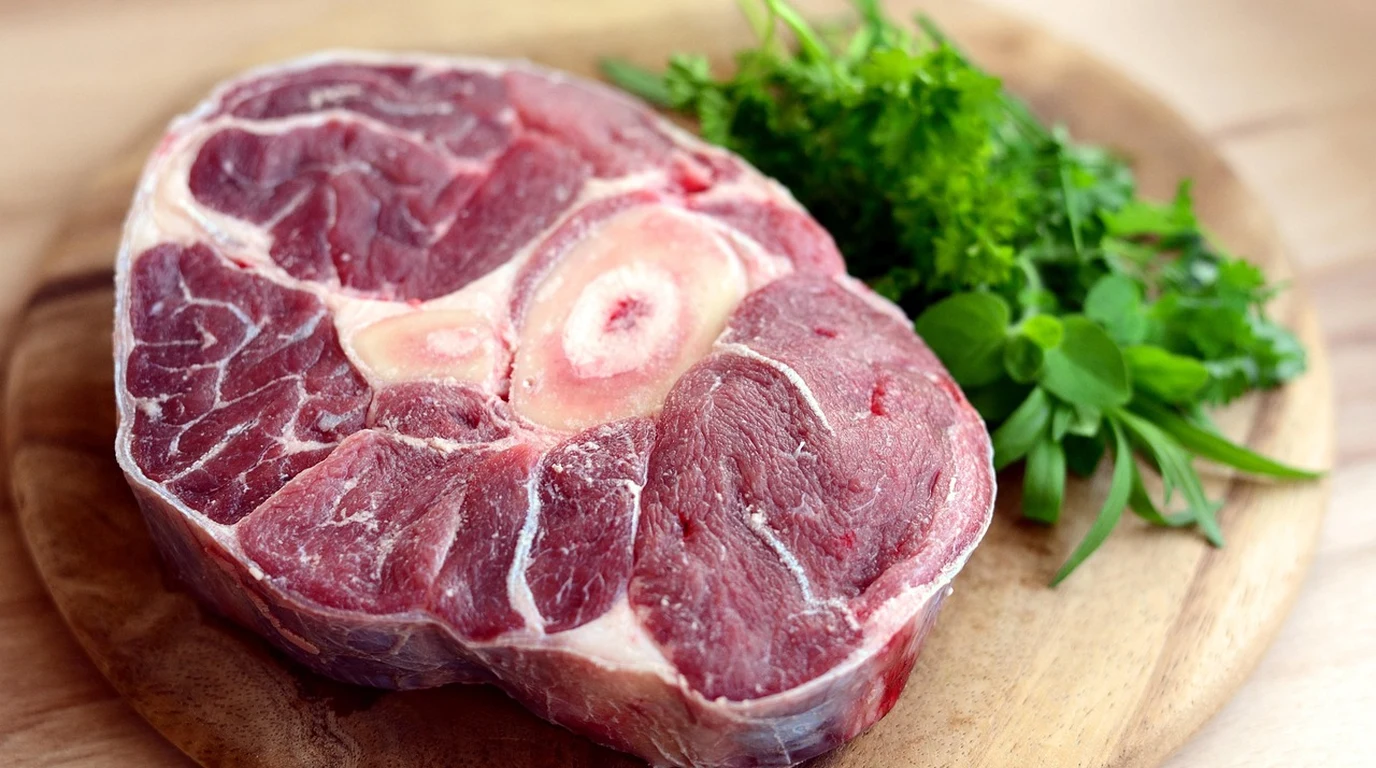
The sight of your beloved dog struggling to rise, a subtle stiffness in their morning gait, or a reluctance to jump onto the sofa they once bounded onto – it’s a familiar pang for many of us. It’s more than just a sign of aging; it’s a whisper of discomfort, a potential precursor to more significant joint issues, and a worry that tugs at your heartstrings. You’ve likely explored supplements, perhaps even considered costly veterinary interventions, all while searching for a natural, effective way to support their vitality and ease their discomfort. The market is flooded with options, promises, and often, confusing jargon, leaving you wondering if there’s a truly foundational approach that addresses the root causes rather than just masking symptoms. You want to see that spark, that effortless movement, that joy in their eyes return, without emptying your wallet on solutions that fall short.
Slow-simmered bone broth, rich in bioavailable collagen (Types I, II, III), gelatin, and the critical amino acid glycine, is a gold-standard, natural therapeutic for canine joint health, gut integrity, and detoxification. Its unique nutrient profile supports cartilage repair, reduces inflammation, and strengthens the gut barrier, offering profound, holistic benefits for your dog’s well-being.
Why Does My Dog’s Stiff Gait Signal a Deeper Problem?
When your dog starts showing signs of stiffness, it’s often a clear indicator that their connective tissues – the cartilage, ligaments, and tendons that cushion and connect their bones – are experiencing wear and tear. This isn’t just about aging; it can be exacerbated by genetics, diet, activity levels, and even environmental toxins. The body’s natural ability to repair and regenerate these tissues relies heavily on a consistent supply of specific building blocks. Without them, the degradation outpaces the repair, leading to inflammation, pain, and reduced mobility.
Traditional approaches often focus on anti-inflammatory drugs or glucosamine/chondroitin supplements. While these can offer symptomatic relief, they frequently miss the mark on providing the comprehensive, bioavailable raw materials the body needs to truly rebuild and maintain healthy connective tissue. This is where the ancient wisdom of bone broth steps in, offering a holistic, nutrient-dense solution that addresses multiple facets of canine health, not just joint pain. It’s about providing the body with the fundamental components it uses to construct and maintain its own robust internal architecture.
Are You Falling for the “Bone Broth” Imposters? The Costly Trap of Misinformation
Here’s where many well-intentioned pet owners, and even some practitioners, fall into a costly trap: mistaking any liquid labeled “bone broth” for the potent, therapeutic elixir your dog truly needs. The market is saturated with products that claim to be bone broth but are, in reality, glorified meat stocks, highly processed powders, or liquids diluted to the point of negligible nutritional value. These products often lack the critical components extracted through proper, slow simmering, or worse, contain additives that can be detrimental to your dog’s health.
The fundamental difference lies in the process and the ingredients. A true, therapeutic bone broth is not merely a byproduct of cooking meat. It’s a carefully crafted extraction, simmering bones and connective tissues for an extended period – typically 18 to 24 hours – with a touch of apple cider vinegar to help draw out the minerals and collagen. This long, low-heat simmer is what transforms humble bones into a powerhouse of bioavailable nutrients.
What 80% of consumers get wrong is believing that a quick boil or a commercial product with a short ingredient list delivers the same punch. It simply doesn’t. Commercial “bone broths” often use high-heat processing, which can denature delicate proteins and reduce the bioavailability of crucial compounds. They might be made from meat scraps rather than collagen-rich joint bones, or they might be heavily filtered, removing beneficial fats and sediment. Some even contain flavor enhancers, preservatives, or undisclosed ingredients that are far from natural or beneficial.
This isn’t just about wasting money; it’s about missing a profound opportunity to genuinely support your dog’s health. Investing in an inferior product means your dog isn’t receiving the collagen peptides, gelatin, glucosamine, chondroitin, hyaluronic acid, and especially the high concentration of glycine that makes authentic bone broth so powerful. You’re effectively giving them a placebo when their body is crying out for real building blocks.
Let’s break down the critical differences between authentic, homemade slow-simmered bone broth and the common commercial alternatives you might encounter:
| Feature | Authentic Homemade Slow-Simmered Bone Broth | Commercial “Bone Broth” Powders/Liquids | Standard Meat Stock/Broth |
|---|---|---|---|
| Simmer Time & Extraction | 18-24+ hours at low heat with acid (e.g., ACV). Maximizes extraction of gelatin, collagen, minerals. | Often shorter times, higher heat, or enzymatic hydrolysis. Less complete extraction, potentially denatured proteins. | 1-4 hours. Primarily extracts meat flavor, minimal collagen/gelatin. |
| Collagen Profile | Rich in bioavailable Type I, II, and III collagen peptides, plus gelatin. Forms a jiggle when chilled. | Varies wildly. Often isolated collagen peptides (e.g., bovine collagen) or minimal gelatin. May not jiggle. | Very low collagen/gelatin content. No jiggle. |
| Glycine Content | High concentration, crucial for liver detox, gut health, and collagen synthesis. | Often lower due to processing or lack of proper bone/tissue selection. | Negligible. |
| Joint Support Compounds | Naturally abundant glucosamine, chondroitin sulfate, hyaluronic acid. | May be added synthetically or present in minimal amounts. | Absent or trace amounts. |
| Additives & Purity | Pure, natural. You control ingredients. No artificial flavors, colors, or preservatives. | Often contains yeast extract, natural flavors, salt, thickeners, or other undisclosed ingredients. | Typically pure, but lacks therapeutic benefits. |
| Cost-Effectiveness | Highly cost-effective per serving, especially when using inexpensive bones. | Significantly more expensive per serving for comparable (or often inferior) nutritional value. | Inexpensive, but not a therapeutic option. |
The “jiggle factor” is your visual cue. When properly made and chilled, authentic bone broth should resemble gelatin, firm and jiggly. This indicates a high concentration of gelatin, which is essentially cooked collagen. If your chilled broth is watery, it’s a strong sign that the simmering process was insufficient, or the wrong types of bones were used, yielding minimal therapeutic benefit.
Unlocking the Power of Glycine: More Than Just an Amino Acid
While collagen and gelatin are the stars for joint health, the unsung hero extracted during that long simmer is glycine. Glycine is the smallest amino acid, but its role in canine health is anything but small. It’s often overlooked in favor of more “flashy” supplements, yet its functions are foundational to detoxification, gut health, and overall cellular integrity.
Glycine’s Role in Phase II Liver Conjugation:
Your dog’s liver is a tireless detoxifier, constantly processing toxins from food, environment, and metabolic waste. Phase II liver conjugation is a critical step in this detoxification pathway, where the liver attaches (conjugates) various molecules to toxins, making them water-soluble and easier to excrete from the body. Glycine is a primary substrate for several key Phase II conjugation pathways, particularly for detoxifying bile acids and certain environmental toxins. Without sufficient glycine, these pathways can become sluggish, leading to a buildup of toxins and increased oxidative stress. This can manifest as dull coat, skin issues, low energy, and even contribute to chronic disease. Bone broth provides a readily available source of this crucial amino acid, directly supporting the liver’s natural detoxification capabilities.
Glutathione Synthesis: The Master Antioxidant:
Glycine is one of three amino acids (along with cysteine and glutamic acid) required for the synthesis of glutathione, often hailed as the body’s “master antioxidant.” Glutathione plays a pivotal role in protecting cells from oxidative damage caused by free radicals, supporting immune function, and further aiding detoxification processes. A deficiency in glycine can limit glutathione production, leaving cells vulnerable to damage and impairing the body’s ability to combat inflammation and disease. By supplying ample glycine, bone broth helps ensure your dog’s internal antioxidant defense system is robust and fully operational.
Sealing the Intestinal Epithelial Tight Junctions (Leaky Gut):
Perhaps one of glycine’s most profound benefits, especially relevant in modern canine health, is its role in maintaining the integrity of the intestinal lining. The gut wall is lined with a single layer of epithelial cells, connected by “tight junctions” that act as a selective barrier. This barrier allows nutrients to pass into the bloodstream while preventing undigested food particles, toxins, and harmful bacteria from entering.
When these tight junctions become compromised – often due to inflammation, stress, certain medications, or an imbalanced diet – they loosen, allowing undesirable substances to “leak” into the bloodstream. This condition, commonly known as “leaky gut” or increased intestinal permeability, triggers an immune response, leading to systemic inflammation, allergies, autoimmune conditions, and a host of other health problems.
Glycine plays a crucial role in strengthening and repairing these tight junctions. Research suggests that glycine can help modulate inflammatory responses in the gut, promote the healing of the intestinal mucosa, and directly support the structural integrity of the epithelial cells. By providing the raw material for gut repair, bone broth rich in glycine can be a game-changer for dogs suffering from enteropathy, allergies, inflammatory bowel disease, or any condition linked to a compromised gut barrier. It literally helps “seal the leaks,” restoring proper gut function and reducing the systemic burden on your dog’s immune system.
The Full Spectrum of Bone Broth’s Biochemical Bounty
Beyond collagen and glycine, a properly simmered bone broth is a treasure trove of other vital compounds, each playing a specific role in your dog’s health:
* Gelatin: This is the cooked form of collagen, and it’s what gives bone broth its characteristic “jiggle” when chilled. Gelatin is incredibly beneficial for gut health, helping to soothe and heal the digestive tract lining. It also aids in nutrient absorption and is a fantastic source of amino acids for connective tissue repair.
* Collagen Peptides (Types I, II, and III):
* Type I Collagen: The most abundant type in the body, found in skin, tendons, bones, and organs. Crucial for skin elasticity, strong nails, and bone density.
* Type II Collagen: Primarily found in cartilage. Essential for joint health, providing structure and elasticity to cartilage, which cushions joints.
* Type III Collagen: Found in muscles, organs, and arteries. Often found alongside Type I collagen, contributing to the structure of skin, blood vessels, and internal organs.
The slow simmering process breaks down the large collagen molecules into smaller, more bioavailable peptides, making them easier for your dog’s body to absorb and utilize for repair and regeneration.
* Glucosamine: A natural compound found in healthy cartilage. It’s a building block for cartilage and helps maintain its structure. Often supplemented individually for joint support, it’s naturally present in bone broth.
* Chondroitin Sulfate: Another major component of cartilage, chondroitin helps give cartilage its elasticity and resistance to compression. It also plays a role in inhibiting enzymes that break down cartilage.
* Hyaluronic Acid: Found in connective tissues, particularly in the synovial fluid that lubricates joints and in the skin. It acts as a shock absorber and helps maintain tissue hydration.
The synergy of these compounds, extracted in their natural, bioavailable forms, is what makes bone broth so uniquely powerful. It’s not just about providing one or two isolated nutrients; it’s about delivering a complex matrix of interdependent elements that the body recognizes and can readily integrate into its own repair and maintenance systems.
Your Step-by-Step Guide to Crafting Potent Bone Broth at Home
Making your own bone broth is simpler than you might think, and the rewards for your dog’s health are immeasurable. This recipe focuses on maximizing nutrient extraction while ensuring absolute safety for your canine companion.
What You’ll Need:
* Bones: Approximately 2-3 pounds of mixed bones. A variety is best:
* Joint bones: Knuckles, femurs, marrow bones (from beef, bison, lamb, or poultry like chicken feet/backs/necks). These are rich in collagen, gelatin, glucosamine, and chondroitin.
* Marrow bones: Provide healthy fats and minerals.
* Meaty bones: A little meat on the bones adds flavor and amino acids.
* *Source:* Look for grass-fed, pasture-raised, or organic bones if possible, to minimize exposure to hormones and antibiotics. Your local butcher is an excellent resource.
* Apple Cider Vinegar (ACV): 2 tablespoons (raw, unfiltered with the “mother”). This is crucial for drawing minerals and collagen out of the bones.
* Water: Enough to cover the bones by 1-2 inches.
* Large Slow Cooker (6-8 quart recommended) or a large stock pot.
Absolutely PROHIBITED Ingredients (Toxic to Dogs):
* Onions
* Garlic
* Leeks
* Chives
* Any other allium family vegetables
* Salt (unless specifically low-sodium and minimal)
* Spices
The Playbook: Crafting Your Gold-Standard Bone Broth
1. Roast the Bones (Optional but Recommended): For richer flavor and color, spread the bones on a baking sheet and roast them at 400°F (200°C) for 20-30 minutes, until lightly browned. This step is purely for flavor and isn’t strictly necessary for nutrient extraction, but it makes a more palatable broth for some dogs.
2. Add Bones and ACV to Slow Cooker: Place the roasted (or raw) bones into your slow cooker. Pour the apple cider vinegar over the bones. Let it sit for 20-30 minutes before adding water. This initial soak helps the acid begin to break down the bone structure, aiding in mineral and collagen extraction.
3. Cover with Water: Fill the slow cooker with filtered water until the bones are covered by 1-2 inches. Do not overfill, as the liquid will reduce slightly.
4. Slow Simmer: Set your slow cooker to the LOW setting. This is critical. A gentle simmer, not a rolling boil, is what you’re aiming for. A low, consistent heat ensures the slow breakdown of collagen into gelatin and peptides without denaturing the delicate proteins.
5. Skim the Scum (Initial Hours): During the first few hours of simmering, a foamy “scum” will rise to the surface. Use a spoon to skim this off and discard it. This removes impurities and results in a cleaner, clearer broth.
6. Simmer for 18-24 Hours (Minimum): Let the broth simmer for a minimum of 18 hours, ideally 24 hours. For very dense beef bones, you can even go up to 48 hours. The longer simmer time on low heat is what ensures maximum extraction of collagen, gelatin, and other beneficial compounds.
7. Cool and Strain: Once simmering is complete, turn off the slow cooker and allow the broth to cool significantly. Once cool enough to handle, carefully remove all bones. This is a critical safety step: cooked bones are brittle and can splinter, posing a choking hazard or causing internal damage to your dog. Discard all bones.
8. Strain the Broth: Pour the broth through a fine-mesh sieve or colander lined with cheesecloth into a large bowl or container. This removes any small bone fragments, sediment, or vegetable matter (if you added dog-safe veggies like carrots or celery, which are optional).
9. Chill and Skim Fat: Transfer the strained broth to airtight containers and refrigerate. As it chills, a layer of fat (tallow) will solidify on top. While some healthy fat is beneficial, excessive amounts can cause digestive upset in dogs, especially those prone to pancreatitis. Once solid, carefully scrape off and discard most of this fat layer. A thin layer is fine.
10. Check for the “Jiggle”: Once fully chilled and defatted, your broth should have a gelatinous, jiggly consistency. This is your visual confirmation of a successful, nutrient-dense bone broth! If it’s watery, it means insufficient collagen was extracted, and you might need to adjust your bone selection or simmering time next time.
Storage:
* Refrigerator: Bone broth can be stored in the refrigerator for up to 5-7 days.
* Freezer: For longer storage, pour the broth into ice cube trays, silicone molds, or freezer-safe containers. Once frozen, transfer the cubes/portions to a freezer bag. Frozen broth can last for 6-12 months. This allows for easy portioning.
Daily Dosage Chart: How Much Bone Broth Should My Dog Get?
The beauty of bone broth is that it’s a food, not a drug, so there’s a wide margin of safety. However, introducing it gradually and observing your dog’s response is always wise.
General Daily Dosage Guidelines:
* Small Dogs (under 20 lbs): 1-2 tablespoons per day
* Medium Dogs (20-50 lbs): 2-4 tablespoons per day
* Large Dogs (50-90 lbs): 1/4 to 1/2 cup per day
* Giant Breeds (90+ lbs): 1/2 to 1 cup per day
How to Serve:
* Directly: Serve it slightly warmed or at room temperature as a delicious, hydrating drink.
* Over Food: Pour it over your dog’s regular kibble, wet food, or raw diet. It enhances palatability and adds nutrients.
* Frozen Treats: Freeze small portions in silicone molds for a refreshing and healthy treat, especially in warmer weather.
* Hydration Boost: Offer it during periods of illness, dehydration, or after intense exercise.
Important Considerations:
* Start Slowly: If your dog has a sensitive stomach, begin with half the recommended dose for a few days and gradually increase.
* Observe: Pay attention to your dog’s stool consistency and overall well-being. Some dogs might experience loose stools initially if introduced too quickly, which usually resolves with gradual introduction.
* Consistency is Key: For therapeutic benefits, especially for joint health and gut repair, consistent daily supplementation is more effective than sporadic use.
* Not a Meal Replacement: Bone broth is a supplement, not a complete meal. It should complement, not replace, a balanced diet.
By incorporating homemade, slow-simmered bone broth into your dog’s daily routine, you’re not just offering a treat; you’re providing a foundational nutritional support system. You’re giving their body the essential building blocks it needs to repair, regenerate, and thrive, helping to restore that youthful bounce, ease those stiff joints, and support their overall vitality from the inside out. This isn’t just about adding years to their life, but adding life to their years, allowing them to enjoy every moment by your side with comfort and joy.
Frequently Asked Questions
What specific types of bones are best for making therapeutic bone broth for dogs?
The best bones for therapeutic bone broth are those rich in collagen and connective tissue, such as knuckles, femurs, marrow bones, and poultry feet, backs, or necks. A mix of these provides a broad spectrum of nutrients, including Type I, II, and III collagen, gelatin, glucosamine, and chondroitin. Sourcing from grass-fed or pasture-raised animals is ideal for higher quality.
How does the apple cider vinegar help in bone broth preparation, and is it safe for dogs?
Apple cider vinegar (ACV) acts as a mild acid that helps to demineralize the bones during the slow simmering process. This draws out essential minerals like calcium, magnesium, and phosphorus, as well as collagen and other beneficial compounds, into the broth. In the small amount used for broth, ACV is completely safe for dogs and is diluted significantly in the final product.
Can bone broth really help a dog with “leaky gut” or chronic allergies?
Yes, bone broth, particularly due to its high glycine and gelatin content, is highly beneficial for dogs with “leaky gut” (increased intestinal permeability) and chronic allergies. Glycine helps strengthen the tight junctions of the intestinal lining, preventing undigested food particles and toxins from entering the bloodstream, which often triggers allergic and inflammatory responses. Gelatin further soothes and heals the gut lining, promoting overall digestive health.
Is it safe to give my dog bone broth every day, and are there any side effects to watch for?
Yes, it is generally safe and highly beneficial to give your dog bone broth every day as a supplement. It’s a food, not a medication, and provides foundational nutritional support. When introducing it, start with a smaller dose and gradually increase to the recommended amount. The main side effect to watch for is mild digestive upset (e.g., loose stools) if introduced too quickly, which usually resolves by reducing the dose and reintroducing it more slowly. Always ensure the broth is free of toxic ingredients like onions or garlic and that all cooked bones are removed.