
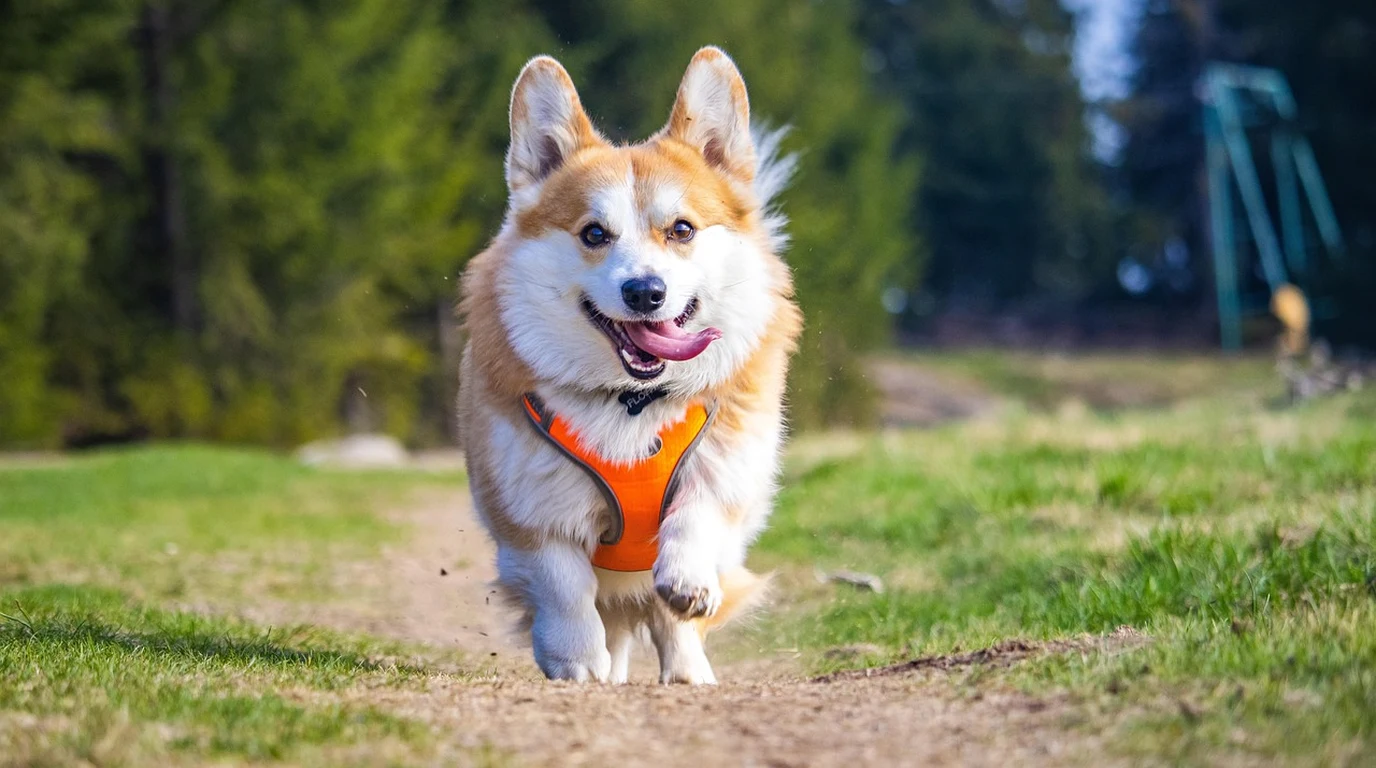
When most dog owners attach a leash and step outside for their daily neighborhood walk, they view the activity through a strictly human lens: physical aerobic exercise. The human goal is forward locomotion, maintaining a brisk pace, and reaching a step-count target. Under this regime, whenever the dog stops to sniff a tree trunk, fire hydrant, or patch of grass, they are promptly yanked forward with a sharp “No, let’s go!” command. Yet, by turning a walk into a forced march, dog owners inadvertently strip their pets of their primary cognitive sensory window into the world. In canine neurobiology, olfactory exploration is not a distraction—it is the dog’s primary cognitive work. Transitioning from structured heel walks to dedicated Canine Sniff Safaris (Decompression Walks) measurably reduces systemic cortisol, lowers baseline heart rate, and satisfies innate behavioral drives. Here is Julian Hayes’ neurobiological guide to olfactory enrichment.
What Is a Canine Sniff Safari and How Does It Reduce Stress?
The canine olfactory apparatus is an anatomical wonder. Dogs possess up to 300 million olfactory receptors in their nasal cavity (compared to a meager 6 million in humans), and the proportion of their brain dedicated to analyzing scents is forty times larger than ours. Furthermore, dogs possess the Vomeronasal Organ (Jacobson’s Organ) situated at the base of the nasal cavity, specifically engineered to decode chemical pheromones that communicate emotional states, hormonal status, and genetic identity of other animals.
Neurobiology of the Sniff: Cortisol Reduction and Autonomic Tone
To quantify the physiological impact of olfactory enrichment, canine behavioral scientists track heart rate variability (HRV) and salivary cortisol levels during different walking styles. The biochemical shifts are striking:
| Walking Style | Leash Restriction | Autonomic Nervous System State | Post-Walk Behavioral Output |
|---|---|---|---|
| Rigid Heel March | Short 4-foot leash; sniffing corrected | Sympathetic dominance; elevated vigilance | Restlessness, pacing, hyper-reactivity |
| High-Arousal Ball Fetch | Off-leash repetitive sprinting | Adrenaline & cortisol surge; predatory drive | Exhausted body, hyper-aroused brain |
| Canine Sniff Safari | 10–15 foot long lead on back-clip harness | Parasympathetic activation; low heart rate | Deep restorative sleep; relaxed posture |
When a dog engages in sustained sniffing, their respiration rate increases to hundreds of sniff pulses per minute, separating air into respiratory and olfactory streams. This high-frequency cognitive processing burns immense neurological energy. Twenty minutes of active olfactory investigation induces more restorative mental fatigue than an hour of mindless running, making sniff walks ideal for reactive, anxious, or recovering orthopedic patients.
Gear Architecture: Choosing the Right Equipment
Executing an authentic sniff safari requires specific gear designed to eliminate physical leash pressure, which triggers the canine opposition reflex:
- The Non-Restrictive Y-Harness: Never conduct decompression walks on a neck collar. A neck collar concentrates force directly against the delicate thyroid gland, trachea, and cervical spine whenever the dog stops to sniff. Use an ergonomic Y-harness that sits completely clear of the shoulder joints, allowing full thoracic limb extension.
- The 10 to 15-Foot Biothane Long Lead: Biothane is waterproof, lightweight, odor-resistant, and does not snag on forest brush or brambles. A 10-foot lead provides the dog with sufficient radius to explore without the handler constantly hovering over their personal space.
- Back-Clip Attachment: Attach the long lead strictly to the rear dorsal clip of the harness. Front-clip attachments twist the dog’s spine off-axis when they lower their head to sniff, impeding natural olfactory posture.
The Five Rules of Engagement for Owners
To maximize the neurobiological benefits of your sniff safari, owners must abandon human habits and adopt five simple canine rules:
- Put Your Smartphone in Your Pocket: Be present. Watch your dog’s ears, tail carriage, and breathing patterns as they decode scents.
- Eliminate Forward Agenda: If your dog wants to spend eight consecutive minutes dissecting a single tuft of tall grass, let them. You are not trying to reach a destination; the sniff itself IS the destination.
- Follow the Dog’s Trajectory: Let the dog choose the turns, trail forks, and exploration zones, granting them executive agency.
- Choose Low-Distraction Environments: Seek out quiet nature trails, wide open sports fields during off-hours, or quiet suburban greenbelts where the dog does not face constant oncoming leashed dogs.
- Observe the Post-Walk Decompression: Notice how quickly your dog curls up and enters deep REM sleep upon returning home. That peaceful rest is the direct physiological signature of a satisfied, relaxed canine mind.
Decoding the ‘P-Mail’: The Social Sociology of Scent Marking
To human eyes, a dog sniffing a fire hydrant or telephone pole for three uninterrupted minutes looks like an annoying delay. In canine sociology, that fire hydrant is an indispensable local social bulletin board, colloquially known among behavioral ethologists as ‘P-Mail’.
When a dog deposits urine on a vertical surface, they leave behind an extraordinary chemical profile containing volatile fatty acids, reproductive pheromones, cortisol metabolites, and major urinary proteins (MUPs). When another dog sniffs that marking, their vomeronasal organ instantly decodes a staggering amount of biological data: the marker’s sex, reproductive cycle, general health status, time since deposition, and emotional stress level. Allowing your dog to thoroughly investigate and leave their own over-marking satisfies a fundamental social drive, giving them a sense of place, territorial reassurance, and community connectivity that no human verbal praise can match.
Inclement Weather Alternatives: Indoor Scent Work Protocols
When extreme sub-zero winter temperatures, torrential storms, or post-surgical orthopedic restrictions make outdoor sniff safaris impossible, owners can easily recreate the neurobiological benefits of scent work inside the living room. Implement these three high-engagement indoor scent games:
- The Cardboard Box Foraging Matrix: Collect eight to ten recycled Amazon cardboard boxes. Place them randomly across the living room rug. Drop three pieces of dehydrated lamb liver or high-value treats into only two of the boxes, leaving the others empty. Release your dog with a gentle ‘Search!’ cue and watch their tail wag as their nose methodically works the room.
- The Rolled Towel Scent Puzzle: Lay a large bath towel flat on the floor. Scatter healthy treats along its surface, then roll the towel up tightly into a dense cylinder. Tie a loose knot in the center for an advanced challenge. Your dog must use their nose, paws, and muzzle to unroll the fabric and forage for each hidden reward.
- Essential Oil Nose Work (K9 Scent Work): Introduce your dog to the competitive sport of scent detection using veterinary-safe birch, anise, or clove essential oils diluted on cotton swabs hidden in magnetic tins. Teaching a dog to locate a target odor exercises executive problem-solving and builds immense confidence in anxious rescues.