
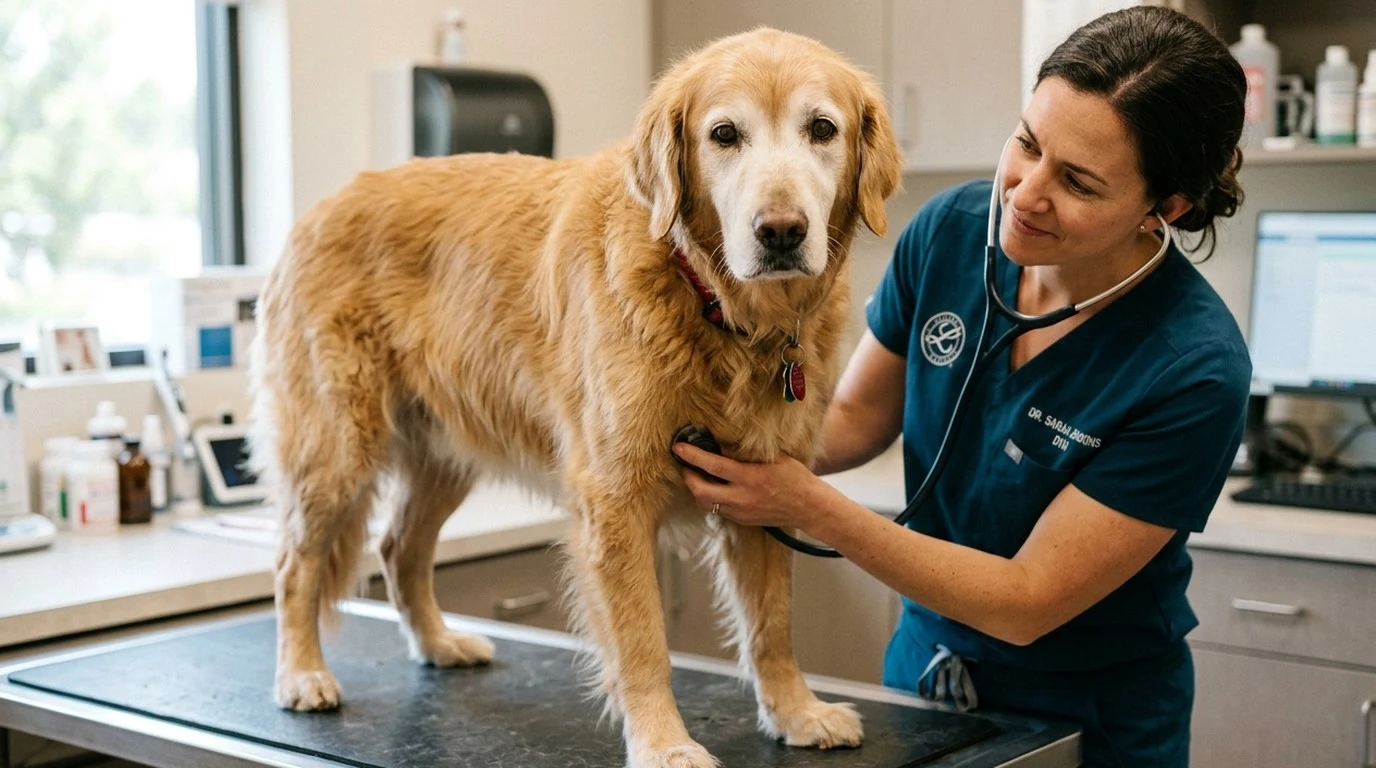
The canine liver possesses an extraordinary regenerative capacity, capable of full functional recovery even after losing 70% of functional parenchyma. When owners panic and receive aggressive prognosis estimates based on a single routine chemistry panel, understanding the biochemical distinction between structural leakage markers and inducible biliary enzymes is vital for rational medical triage.
What Is the Clinical Difference Between ALT and ALP in Dogs?
To evaluate true hepatic synthetic function, veterinarians must assess secondary metabolic parameters: blood urea nitrogen (BUN), albumin, total cholesterol, total bilirubin, and resting bile acids. If liver enzymes are elevated 3x above normal but albumin, glucose, and bilirubin remain completely normal, the dog’s liver is still actively performing its fundamental synthetic duties.
| Enzyme Marker | Biological Origin | Clinical Diagnostic Meaning | Therapeutic Intervention Threshold |
|---|---|---|---|
| ALT (Alanine Aminotransferase) | Hepatocyte cytoplasm | Direct cell necrosis or acute inflammatory leakage. | Investigate when > 2x–3x reference range; start SAMe/Silybin. |
| ALP (Alkaline Phosphatase) | Biliary membranes & hepatocytes | Cholestasis, cortisol induction, or nodular hyperplasia. | Common in older dogs; perform ultrasound if > 4x reference range. |
| GGT (Gamma-Glutamyl Transferase) | Biliary epithelial cells | Specific marker for true obstructive biliary disease. | More biliary-specific than ALP; guides gall bladder imaging. |
| Pre/Post Prandial Bile Acids | Hepatic circulation clearance | Definitive test for portosystemic shunts or hepatic failure. | Post-prandial > 25–30 µmol/L confirms true functional impairment. |
How Do SAMe and Milk Thistle (Silybin) Protect Canine Hepatocytes?
The standard veterinary pharmaceutical formulation (Denamarin) combines enteric-coated SAMe with bioavailable silybin-phospholipid complexes. Generic over-the-counter human milk thistle extracts often suffer from near-zero gastrointestinal absorption in canines unless formulated with lipid phytosome carriers. Furthermore, SAMe must be administered on an empty stomach at least one hour before feeding to prevent competitive amino acid absorption degradation.
To discover how glycine-rich bone broth supports gut mucosal integrity and systemic detox pathways in aging dogs, read our guide on Bone Broth for Dogs: Collagen, Gut Health & Recipe.