
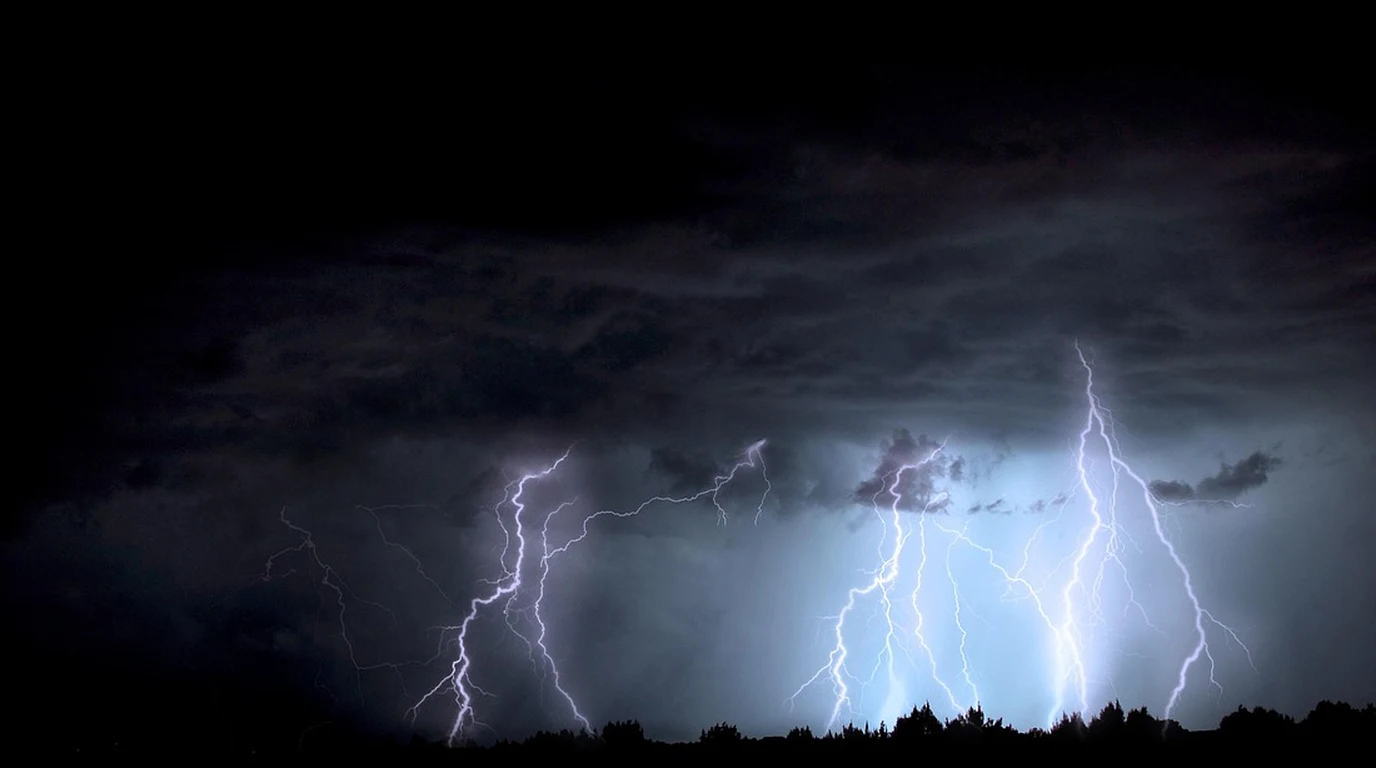
For millions of dog guardians, the rumble of summer thunder or the crackle of holiday fireworks brings an agonizing ordeal: watching a beloved companion descend into unmanageable panic. Panting uncontrollably, trembling violently, pacing frantically, drooling, or attempting to claw through drywall and doors, dogs suffering from severe thunderstorm phobia (astraphobia) experience true physiological terror. Their heart rate spikes, stress hormones flood their bloodstream, and rational cognitive processing collapses.
Yet traditional responses to storm anxiety—ranging from the dangerous myth that “comforting a scared dog reinforces fear,” to dosing heavy sedatives like acepromazine that paralyze the dog physically while leaving their terrified mind wide awake—are scientifically obsolete. Canine behavioral medicine has undergone a revolution in neurobiology, introducing precision transmucosal pharmaceuticals, proprioceptive tactile wraps, and acoustic psychoacoustic engineering that neutralize fear without causing debilitating sedation.
What Is the Most Effective Way to Relieve Dog Thunderstorm Anxiety?
Direct Answer: The gold-standard treatment combines targeted alpha-2 adrenoceptor agonists (Sileo / dexmedetomidine transmucosal gel) administered before storm onset, a snug Thundershirt pressure wrap for proprioceptive nervous system calming, and brown noise sound-masking in an interior storm bunker.
To successfully treat storm anxiety, one must understand that a thunderstorm is not merely loud noise. Dogs possess sensory systems far more acute than humans, detecting four separate atmospheric cues long before thunder becomes audible:
- Barometric Pressure Drops: Canine middle ears and tympanic membranes detect subtle barometric pressure shifts hours ahead of a weather front.
- Static Electricity: In large or double-coated breeds, low-humidity storm air charges fur with static electricity, causing mild, uncomfortable cutaneous static shocks when touching metal objects.
- Infrasound Vibrations: Dogs detect sub-audible, low-frequency atmospheric sound waves traveling miles ahead of a storm.
- Ozone Scent Profiles: Atmospheric lightning creates distinct chemical ozone scent shifts that dogs easily smell on incoming winds.
Because dogs anticipate storms long before the first thunderclap, interventions must be multi-modal and proactive. Waiting until the dog is already trembling and pacing guarantees therapeutic failure, as adrenaline prevents oral medications from being properly absorbed or metabolized.
| Therapeutic Modality | Mechanism of Action | Onset Timeline | Clinical Strengths & Limitations |
|---|---|---|---|
| Sileo (Dexmedetomidine Gel) | Alpha-2 adrenoceptor agonist | 30 to 45 minutes | Blocks noradrenaline; true anxiolytic without sedation |
| Trazodone HCl | Serotonin 5-HT2A antagonist | 60 to 90 minutes | Good situational sedative; requires 1.5h advance timing |
| Thundershirt Pressure Wrap | Deep touch pressure (DTP) | Immediate (10–15 min) | Releases endorphins; grounding sensation for ~70% of dogs |
| Psychoacoustic Brown Noise | Acoustic frequency masking | Continuous | Masks low-frequency rumble; vastly superior to white noise |
| Acepromazine (PromAce) | Dopamine receptor antagonist | 45 to 60 minutes | CONTRAINDICATED: Paralyzes body while heightening noise sensitivity |
The Chemical Shield: Why Sileo Represents a Modern Breakthrough
For decades, veterinarians routinely prescribed acepromazine for storm phobia. We now know from behavioral neurobiology that acepromazine is deeply contraindicated for noise phobias. Acepromazine is a tranquilizer that motor-depresses the animal—preventing them from moving or pacing—without providing any anti-anxiety relief. Worse, it heightens auditory acuity, leaving the dog trapped in an immobile body while their acoustic panic intensifies, creating severe behavioral trauma.
The development of Sileo (dexmedetomidine oromucosal gel) represents a true clinical paradigm shift. Sileo is an alpha-2 adrenoceptor agonist specifically FDA-approved for canine noise aversion. Applied directly to the oral mucosa (between the dog’s cheek and gum) rather than swallowed, Sileo is absorbed directly into the bloodstream without first-pass liver metabolism.
At low micro-doses, dexmedetomidine selectively targets presynaptic alpha-2 receptors in the locus coeruleus—the brainstem nucleus responsible for the fight-or-flight sympathetic response. It shuts off the release of noradrenaline, dampening panic without producing heavy sedation. The dog remains alert, responsive, and upright, but the overwhelming sense of terror is neutralized.
One of the most persistent, harmful myths in dog training is that comforting a panicking dog reinforces their fear. Under classical conditioning principles, **fear is an involuntary emotional and physiological response, not an operant behavior**. You cannot reinforce fear any more than you can reinforce a headache or a heart attack. If you comfort, pet, wrap, and speak soothingly to a terrified dog, you are providing a secure social buffer that reduces amygdala activation and releases calming oxytocin. Never ignore or isolate a dog during a storm. Be their calm, steady anchor.
Constructing the Indoor “Storm Bunker”
In addition to pharmacological support, dogs require a secure physical retreat where atmospheric static and acoustic rumbles are neutralized:
1. Choose an Interior Windowless Sanctuary
Basements, interior bathrooms, or walk-in closets surrounded by interior drywall provide the best acoustic dampening. Bathrooms are especially popular because porcelain tubs and tile floors are grounded, helping dissipate uncomfortable static electricity from the dog’s coat.
2. Deploy Brown Noise (Not White Noise)
White noise is biased toward high-pitched frequencies, which dogs find irritating. Brown noise (or red noise) mimics the deep, rumbling lower-frequency bands of the sonic spectrum. Playing continuous brown noise through a quality subwoofer effectively masks the low-frequency rumble of approaching thunder.
3. Utilize Deep Touch Pressure (Thundershirt)
Like weighted blankets for humans, a properly fitted Thundershirt applies gentle, consistent pressure to the dog’s torso, stimulating proprioceptive receptors and triggering endorphin release in approximately 70% of canine patients.
The 4:00 PM Actionable Playbook: Weatherfront Defense
- Monitor Barometric Radar Apps: Download a real-time weather radar app. When storm fronts are projected to hit your area, administer situational medications (Sileo or Trazodone) at least 45 to 60 minutes *before* the first cloud arrives.
- Condition the Thundershirt on Sunny Days: Never put a Thundershirt on for the first time during an active panic attack. Practice wearing it during peaceful meal times and relaxed couch cuddles so the garment is paired strictly with calm, positive emotions.
- Wipe Fur with Unscented Dryer Sheets: For double-coated breeds suffering from static build-up, gently wiping their fur with an unscented, non-toxic anti-static dryer sheet immediately neutralizes static cling.
- Provide High-Value Long-Duration Chews: Once the dog is in their storm bunker, offer a frozen stuffed Kong or collagen chew. Chewing releases endogenous dopamine and serotonin, helping ground their emotional state.
🐾 Companion Guide: Canine Chewing & Neurological Dopamine
Understanding how tactile chewing downregulates stress hormones is a critical tool in behavioral rehabilitation. Read our complete neuro-sensory audit:
👉 Read the Full Masterclass: Dog Chewing for Anxiety: Dopamine, Safety & Teeth Health »
People Also Ask
Can Sileo be given with other anxiety medications like Trazodone?
Yes, under veterinary supervision. In severe cases of noise phobia, veterinary behaviorists frequently combine oral trazodone (given 1.5 to 2 hours ahead of time) with mucosal Sileo gel (applied 30 minutes before the storm) for multimodal coverage.
How long does a dose of Sileo last in dogs?
A single dose of Sileo typically provides two to three hours of therapeutic calming. If a thunderstorm system lingers, a second dose can be safely administered two hours after the initial application, up to five total doses per event.
Why do dogs hide in bathrooms or bathtubs during thunderstorms?
Bathrooms typically feature interior walls, lack windows, and have grounded porcelain and plumbing fixtures that shield dogs from uncomfortable atmospheric static electricity build-up.
🐾 Science-Backed Companion Masterclass: Neurobiology, Stress Modulation & Canine Cognitive Enrichment
While acute noise phobias and thunderstorm panic frequently require targeted pharmaceutical protocols, daily mental enrichment and repetitive licking provide endogenous neurological soothing. Read our companion anxiety masterclass:
👉 Read the Full Masterclass: Dog Lick Mats & Anxiety: Endorphins, Recipes & Safety »