
When caring for senior dogs or proactively managing canine longevity, routine diagnostic screening represents the cornerstone of preventative veterinary advocacy. Most conscientious pet owners are diligent about scheduling annual senior wellness exams and purchasing comprehensive blood chemistry panels to check vital organ function. However, when the veterinary clinic calls to deliver the reassuring news that routine Blood Urea Nitrogen (BUN) and creatinine levels are “completely normal,” many pet parents mistakenly assume their dog’s renal health is 100 percent secure.
In clinical veterinary nephrology, blood chemistry is a dangerously delayed indicator of renal decline. By the time serum creatinine breaches the normal reference range, more than 66 to 75 percent of functional kidney nephrons have already suffered irreversible destruction. To detect renal microvascular damage, subclinical glomerular disease, and chronic kidney disease (CKD) at its earliest, most reversible stage, veterinarians must evaluate a comprehensive urinalysis alongside a Urine Protein:Creatinine (UPC) ratio. For pet parents dedicated to maximizing their dog’s healthspan, understanding what a simple urine test reveals can add years of vibrant, pain-free life.
What Is a Dog Urinalysis and Why Is It Critical?
A complete canine urinalysis evaluates urine concentrating ability, chemical parameters, and microscopic sediment. Unlike blood work, which only flags kidney failure after 75 percent nephron loss, a low Urine Specific Gravity (USG < 1.030) and elevated Urine Protein:Creatinine (UPC) ratio detect subclinical renal compromise and proteinuria years in advance.
A comprehensive veterinary urinalysis is composed of three distinct diagnostic tiers: physical evaluation, dipstick chemical analysis, and microscopic sediment examination:
- Urine Specific Gravity (USG): Measured using an optical refractometer, USG quantifies the kidney’s physiological ability to concentrate urine relative to distilled water. A healthy, hydrated canine should produce concentrated urine with a USG above 1.030 (ideally between 1.035 and 1.050). If a senior dog consistently produces dilute urine in the “isosthenuric” range (1.008 to 1.012), it indicates the renal tubules have lost the ability to concentrate filtrate, serving as an early red flag for renal insufficiency.
- Chemical Dipstick Analysis: Tests for pH (normally 6.0 to 7.5), glucose (detecting canine diabetes mellitus before blood spikes), bilirubin (early hepatic or biliary obstruction), ketones (diabetic ketoacidosis), and occult blood or hemoglobin.
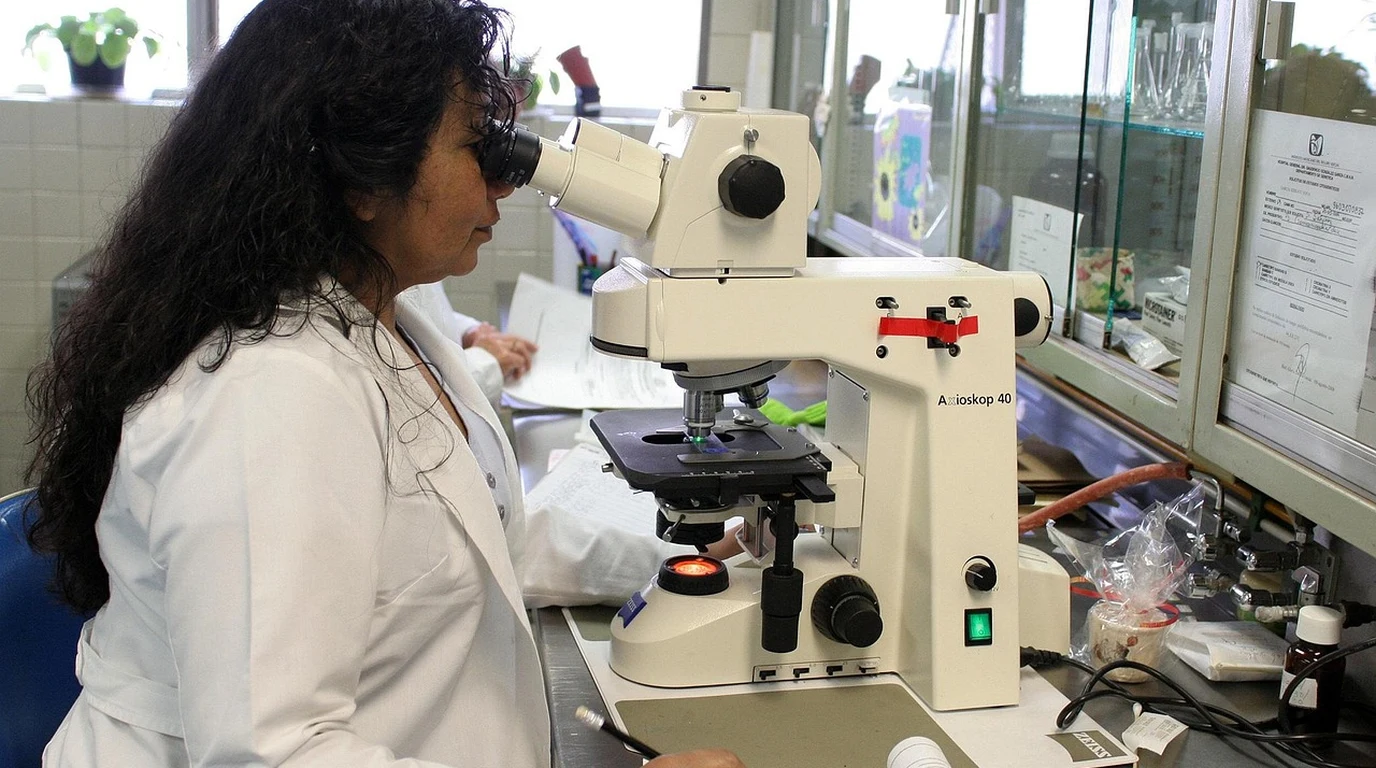
- Microscopic Sediment Examination: A centrifuged urine sample is examined under high-power microscopy to identify red and white blood cells (indicating active inflammation or infection), bacteria, transitional epithelial cells (screening for transitional cell carcinoma of the bladder), and diagnostic casts (cylindrical protein molds indicating active tubular degeneration).
The Urine Protein:Creatinine (UPC) Ratio: Glomerular Defense
While standard urine dipsticks test for protein, they are notoriously vulnerable to false positives and concentration artifacts. A concentrated urine sample (USG 1.050) with trace protein is completely normal, whereas dilute urine (USG 1.015) showing “1+ protein” represents significant, dangerous protein loss.
To eliminate concentration bias and accurately measure pathological protein leakage, veterinarians utilize the Urine Protein:Creatinine (UPC) ratio. The kidneys filter out metabolic creatinine at a constant rate throughout the day. By measuring the ratio between excreted urine protein and urine creatinine in a single sample, the UPC provides a standardized, mathematically precise assessment of glomerular permeability:
| IRIS UPC Staging Category | UPC Ratio Threshold | Clinical Significance | Veterinary Action Protocol |
|---|---|---|---|
| Non-Proteinuric | UPC < 0.2 | Healthy glomerular filtration barrier; minimal physiological protein loss | Annual senior screening baseline maintenance |
| Borderline Proteinuric | UPC 0.2 to 0.5 | Early subclinical glomerular compromise or tubular reabsorption defect | Recheck UPC in 2 to 4 weeks; evaluate blood pressure and SDMA |
| Proteinuric (Pathological) | UPC > 0.5 | Severe persistent proteinuria; active glomerular disease (amyloidosis / glomerulonephritis) | Immediate therapeutic intervention: ACE inhibitors, renal diet, blood pressure control |
According to the International Renal Interest Society (IRIS), persistent proteinuria is an independent, devastating risk factor for chronic renal disease progression. When large plasma albumin proteins leak across damaged glomerular capillary walls into the urinary filtrate, they trigger inflammatory cascades in the renal proximal tubules, causing progressive interstitial fibrosis and accelerating overall kidney failure. Catching an elevated UPC when it is in the borderline range (0.2 to 0.5) allows veterinarians to initiate therapeutic dietary modifications and blood pressure management long before azotemia appears.
Senior Dog Healthspan Checklist: Collecting a Clean Sample at Home
Always collect a senior dog’s urine sample first thing in the morning before breakfast or exercise. The first-morning void represents the maximum concentrating capacity of the renal tubules over an overnight fasting period. Delivering a fresh, refrigerated sample to your clinic within 2 hours prevents false crystal formation and bacterial overgrowth.
Follow these steps to collect a diagnostic-grade urine sample from your dog at home:
- Use a Sterile Collection Container: Thoroughly wash and dry a shallow soup ladle or clean aluminum pie tin. Attach the ladle to a wooden dowel if your dog squats low to the ground and becomes startled when approached from behind.
- Catch Mid-Stream Urine: Allow your dog to begin urinating for the first two seconds before gently sliding the collection container under the stream. The initial stream flushes out normal bacteria, skin cells, and debris residing in the distal urethra and prepuce/vulva, ensuring the sample reflects bladder chemistry.
- Transfer to a Clean, Airtight Vial: Pour the collected urine into a sterile plastic specimen cup or clean glass jar provided by your veterinary clinic. Seal tightly.
- Refrigerate Immediately: If you cannot deliver the sample to the veterinary clinic within 30 minutes, place the container in the refrigerator immediately. Samples left at room temperature experience rapid chemical degradation: bacteria multiply, urea breaks down into ammonia (artificially raising pH), and cellular casts dissolve.
For more critical preventative diagnostics and senior canine healthspan strategies, review our clinical guide on demystifying canine blood work (CBC and chemistry panels) and explore our deep-dive into elevated liver enzymes in dogs: ALT and ALP explained.
People Also Ask
What is the normal urine specific gravity for a dog?
A healthy dog should have a Urine Specific Gravity (USG) greater than 1.030, with optimal concentrating capacity ranging between 1.035 and 1.050. Consistent readings below 1.030 indicate the kidneys are losing their ability to concentrate urine.
Can a dog have kidney disease with normal blood work?
Yes. Chronic Kidney Disease (CKD) begins silently at the microscopic cellular level. A dog can have significant renal damage with low urine specific gravity and elevated urine protein (UPC > 0.5) while blood BUN and creatinine remain completely within the normal reference range.
How often should a senior dog have a urinalysis?
All dogs over the age of seven should undergo a comprehensive urinalysis alongside their annual blood work. For senior dogs with borderline UPC ratios, existing renal disease, or hypertension, urine should be tested every 3 to 6 months.
Subgingival bacterial bacteremia directly damages renal microvasculature. Explore early diagnostic screening biomarkers in our review of Non-Anesthetic Dog Dental Cleanings: Hidden Risks & Law.