
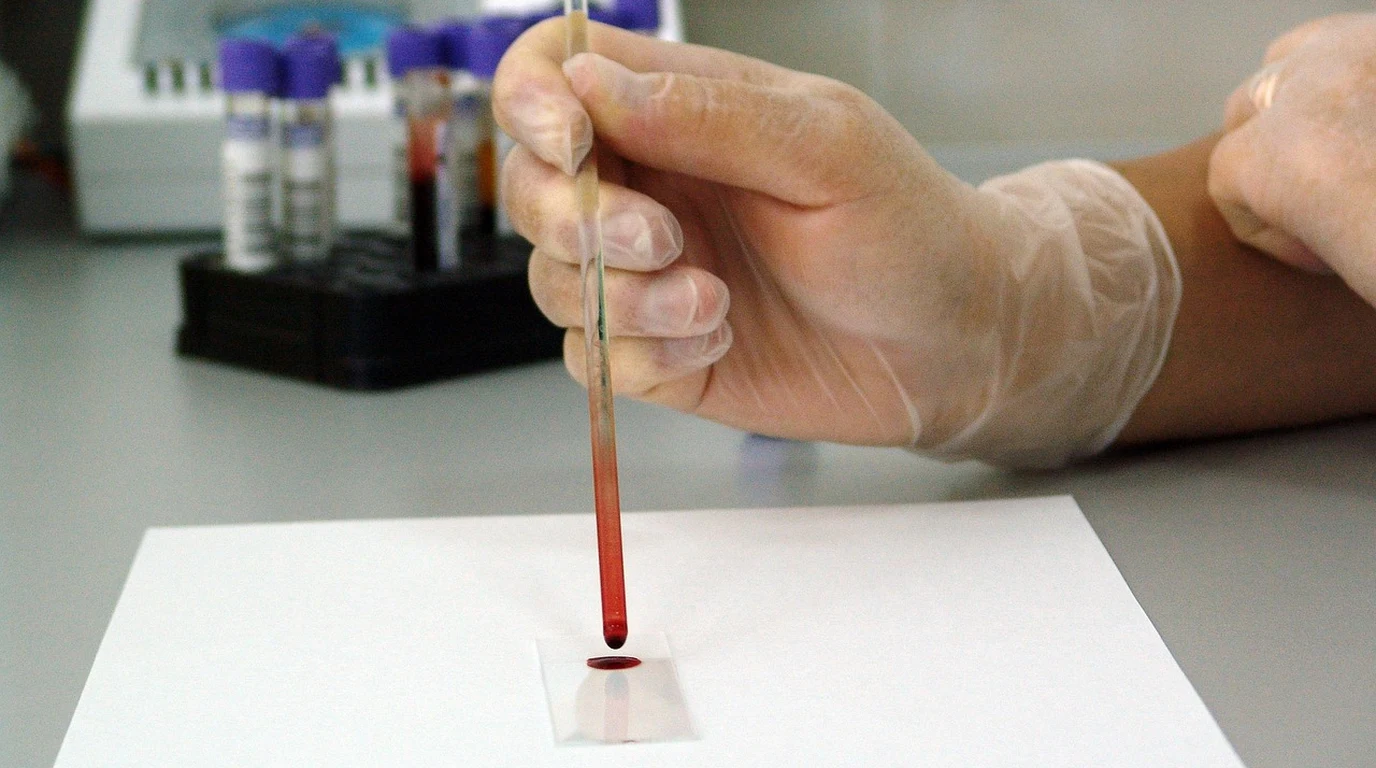
Elevated ALT typically signals liver cell damage or leakage, while elevated ALP can indicate cholestasis, steroid influence, or bone issues. The degree of elevation, concurrent symptoms, and your dog’s overall health context are paramount. Mild increases often warrant observation or simple re-evaluation, whereas significant, persistent elevations usually require further, targeted investigation to pinpoint the underlying cause and guide appropriate management.
Why Did My Vet Say My Dog’s Liver Enzymes Are High But Isn’t Panicking?
This is where many dog owners find themselves, and it’s a perfectly natural reaction to feel confused. You’ve been told something is “abnormal,” yet the urgency isn’t matching your internal alarm bells. The truth is, interpreting elevated liver enzymes like Alanine Aminotransferase (ALT) and Alkaline Phosphatase (ALP) is far more nuanced than simply seeing a number outside the reference range. This isn’t a pass/fail test; it’s a piece of a much larger puzzle. The biggest trap many fall into, both pet owners and sometimes even less experienced practitioners, is the immediate leap to “liver disease” as a definitive diagnosis based solely on these numbers. While ALT and ALP are certainly indicators of liver health (among other things), their elevation doesn’t automatically mean your dog has irreversible liver failure or a life-threatening condition. In fact, mild to moderate elevations are incredibly common, especially in older dogs, and can be transient, reactive, or indicative of issues entirely unrelated to the liver’s primary function. Consider this: ALT is primarily a marker of hepatocellular injury. Think of it like a tiny alarm bell ringing when liver cells are damaged or leaking their contents. It’s very specific to the liver in dogs. But that damage could be from something as benign as a recent strenuous exercise session, certain medications, or even a temporary inflammatory response. It doesn’t tell you *why* the cells are damaged, nor does it tell you the *extent* of the damage or if the liver is still functioning perfectly well. ALP, on the other hand, is a much trickier enzyme. It’s an “inducible” enzyme, meaning its production can be ramped up by various stimuli. While one form of ALP (hepatic ALP) is associated with cholestasis (bile flow obstruction) or biliary disease, another form (bone ALP) is elevated during periods of bone growth or remodeling, which is common in growing puppies or dogs with orthopedic issues. Crucially, ALP is also notoriously sensitive to steroid exposure – both endogenous (from stress or Cushing’s disease) and exogenous (medications like prednisone). This means a high ALP could be a red herring, pointing away from primary liver disease entirely. The costly trap here is either overreacting to minor, clinically insignificant elevations, leading to unnecessary and expensive diagnostics (ultrasounds, biopsies, specialized blood tests) that cause stress for both you and your dog, or, conversely, dismissing significant elevations as “just old age” and missing a treatable underlying condition. The key is context, the degree of elevation, and a systematic approach to investigation, not panic.What’s the Real Difference Between ALT and ALP in My Dog’s Bloodwork?
Understanding the distinct roles of ALT and ALP is fundamental to accurate interpretation. They are not interchangeable, and their individual patterns of elevation provide critical clues. Think of them as two different types of sensors in your dog’s system, each designed to detect a different kind of problem. **Alanine Aminotransferase (ALT): The Hepatocellular Injury Indicator** * **What it is:** ALT is an enzyme found in high concentrations within the cytoplasm of hepatocytes (liver cells). * **What it means when elevated:** When liver cells are damaged, their cell membranes become permeable, allowing ALT to leak into the bloodstream. Therefore, an elevated ALT is a direct indicator of hepatocellular injury or necrosis (cell death). * **Specificity:** In dogs, ALT is highly liver-specific. While small amounts can be found in muscle cells, significant elevations almost always point to a problem within the liver itself. * **Degree of elevation:** * **Mild (1-2x upper reference limit):** Can be transient, reactive, or indicate subtle injury. Often warrants re-testing or monitoring. * **Moderate (2-5x upper reference limit):** Suggests more significant hepatocellular damage. Further investigation is usually warranted. * **Marked (>5x upper reference limit):** Indicates acute, severe liver cell damage. This is a more urgent finding requiring prompt investigation. * **Common causes of elevation:** Toxins (e.g., xylitol, certain mushrooms), drug reactions (e.g., NSAIDs, some antibiotics), acute hepatitis, severe hypoxia, trauma, severe inflammation, or even strenuous exercise. **Alkaline Phosphatase (ALP): The Inducible Enzyme with Multiple Sources** * **What it is:** ALP is an enzyme found in various tissues, including the liver (hepatic ALP), bone (bone ALP), intestines, and kidneys. It’s located on the cell membranes. * **What it means when elevated:** Unlike ALT, ALP elevation doesn’t necessarily mean cell *damage*. Instead, it often indicates increased production (induction) of the enzyme. * **Hepatic ALP:** Elevated due to cholestasis (impaired bile flow), biliary disease (e.g., cholangitis, gallstones), or steroid-induced hepatopathy. When bile flow is obstructed, the bile ducts become distended, stimulating the production and release of ALP from the liver cell membranes. * **Bone ALP:** Elevated during periods of rapid bone growth (normal in puppies), bone remodeling, or in the presence of bone tumors. * **Corticosteroid-induced ALP (CS-ALP):** Dogs have a unique isoform of ALP that is highly inducible by glucocorticoids (steroids), whether administered externally (e.g., prednisone) or produced internally (e.g., Cushing’s disease). This is a very common cause of high ALP in dogs. * **Specificity:** Not liver-specific. You need to consider other factors. * **Degree of elevation:** ALP can reach extremely high levels (10-50x the upper reference limit) with steroid induction or significant cholestasis. Even mild elevations can be significant if persistent, especially in the absence of other obvious causes. * **Common causes of elevation:** Cholestasis (intrahepatic or extrahepatic), Cushing’s disease, steroid administration, bone growth/disease, certain liver tumors, pancreatitis (secondary cholestasis). The interplay between these two enzymes is crucial. For instance, a significantly elevated ALT with a mildly elevated ALP might point towards acute hepatocellular necrosis. Conversely, a markedly elevated ALP with a normal or mildly elevated ALT could strongly suggest cholestasis or steroid-induced hepatopathy. This is the “nuance matrix” that often gets overlooked.| Enzyme | Primary Origin & Function | What Elevation Signifies | Common Causes of Elevation | Typical Diagnostic Next Steps |
|---|---|---|---|---|
| Alanine Aminotransferase (ALT) | Primarily liver cells (hepatocytes). Released when cells are damaged. | Hepatocellular injury, leakage, or necrosis. Direct indicator of liver cell damage. | Toxins (e.g., xylitol), drug reactions (e.g., NSAIDs, phenobarbital), acute hepatitis, hypoxia, trauma, severe inflammation, pancreatitis. | Re-test in 2-4 weeks, fasting bile acids, abdominal ultrasound, review medications/diet. |
| Alkaline Phosphatase (ALP) | Liver (hepatic), bone, intestines, kidneys. Inducible enzyme. | Cholestasis (impaired bile flow), steroid induction, bone remodeling/growth. Not specific to liver damage. | Cushing’s disease, steroid medications (prednisone), cholestasis (gallstones, tumors), bone disease (puppies, osteosarcoma), pancreatitis. | Review medication history, abdominal ultrasound, specific endocrine tests (e.g., ACTH stim for Cushing’s), bone radiographs. |
| ALT & ALP (Both Elevated) | Combined indicators of liver stress and potential damage/cholestasis. | Suggests a more complex liver issue involving both hepatocellular injury and cholestasis/induction. | Chronic hepatitis, severe acute liver injury, liver tumors, severe pancreatitis with secondary liver involvement, some toxicities. | Comprehensive workup: Fasting bile acids, abdominal ultrasound, potentially liver biopsy, endocrine testing. |
| Normal ALT, Elevated ALP | ALP induction without significant ongoing liver cell damage. | Strongly suggests steroid-induced hepatopathy (Cushing’s, exogenous steroids) or bone disease. Less likely primary liver damage. | Cushing’s disease, steroid administration, bone tumors, growing puppies. | Thorough history review for steroid use, endocrine testing, orthopedic exam/radiographs. |
Are There Common Medications That Can Falsely Elevate My Dog’s Liver Enzymes?
Absolutely, and this is one of the most common “costly traps” in veterinary diagnostics. Many medications, particularly those commonly prescribed for chronic conditions in older dogs, can significantly impact liver enzyme levels without necessarily causing severe, irreversible liver disease. Overlooking this possibility can lead to unnecessary anxiety and diagnostic expenses. The prime culprits are: 1. **Corticosteroids (e.g., Prednisone, Dexamethasone):** This is perhaps the most frequent cause of elevated ALP, sometimes reaching levels 10-50 times the upper reference range. Dogs have a unique corticosteroid-induced ALP (CS-ALP) isoform. Even low doses or short courses can cause significant ALP increases. While less common, steroids can also mildly elevate ALT due to metabolic stress on the liver. If your dog is on steroids, a high ALP is almost expected and rarely indicates primary liver disease. 2. **Phenobarbital:** A common anticonvulsant medication, phenobarbital is metabolized by the liver and can cause significant elevations in both ALT and ALP, especially with long-term use. This is often a sign of drug-induced hepatopathy, which can range from mild, adaptive changes to more severe, idiosyncratic liver damage. Regular monitoring of liver enzymes is crucial for dogs on phenobarbital. 3. **NSAIDs (Non-Steroidal Anti-Inflammatory Drugs, e.g., Carprofen, Meloxicam):** While generally safe, NSAIDs are metabolized by the liver and can, in some sensitive individuals, cause mild to moderate elevations in ALT. This is usually a transient effect, but it underscores the importance of baseline bloodwork and monitoring during long-term NSAID therapy. 4. **Certain Antibiotics (e.g., Sulfonamides):** Though less common, some antibiotics can cause idiosyncratic drug reactions that manifest as elevated liver enzymes. 5. **Antifungals (e.g., Ketoconazole, Itraconazole):** These medications are known to be hepatotoxic in some cases and can cause significant ALT and ALP elevations. Before embarking on an extensive diagnostic workup for elevated enzymes, always provide your vet with a complete and accurate list of *all* medications, supplements, and even topical treatments your dog is receiving. Sometimes, simply adjusting a dose or temporarily discontinuing a medication (under veterinary guidance) can resolve the enzyme elevation.What Should I Do Next If My Dog’s Liver Enzymes Are Elevated? Your Actionable Playbook
Facing elevated liver enzymes can feel overwhelming, but with a structured, step-by-step approach, you can navigate the situation confidently and effectively. This isn’t about rushing to conclusions; it’s about thoughtful investigation and informed decision-making.1. Don’t Panic, Understand the Numbers and the Context
Your first step is to take a deep breath. Remember that elevated enzymes are a *finding*, not a diagnosis. Look at the specific numbers. Is the elevation mild (1-2x the upper reference range), moderate (2-5x), or marked (>5x)? Is it just ALT, just ALP, or both? Consider your dog’s age, breed, and overall clinical signs. A mild, isolated ALP elevation in an otherwise healthy, active senior dog on prednisone is very different from a marked ALT and ALP elevation in a lethargic, jaundiced dog. Your vet should help you put these numbers into perspective with your dog’s history and physical exam findings.
2. Re-evaluate Medications and Supplements
As discussed, this is a critical first step. Provide your veterinarian with a comprehensive list of *everything* your dog is taking, including prescription drugs, over-the-counter supplements, flea/tick preventatives, and even herbal remedies. Discuss whether any of these could be contributing to the enzyme elevation. In some cases, your vet might recommend a temporary discontinuation or a switch to an alternative medication to see if the enzyme levels normalize. Never stop prescribed medication without veterinary consultation.
3. Consider Fasting and Post-Prandial Serum Bile Acids
If the enzyme elevations are persistent, moderate, or marked, and especially if ALT is elevated, serum bile acid testing is often the next logical step. This test directly assesses liver function, specifically its ability to clear bile acids from the bloodstream. It involves two blood samples: one after a 12-hour fast (fasting bile acids) and another two hours after a small, fatty meal (post-prandial bile acids). Elevated post-prandial bile acids indicate that the liver isn’t efficiently processing bile, suggesting impaired liver function, portosystemic shunts, or other significant liver disease. This test is far more indicative of actual liver *function* than ALT or ALP alone.
4. Discuss an Abdominal Ultrasound
An abdominal ultrasound is a non-invasive, invaluable diagnostic tool. It allows your veterinarian to visualize the liver’s size, shape, and internal architecture, as well as the gallbladder and bile ducts. It can detect:
- Changes in liver texture (e.g., fatty infiltration, fibrosis, masses).
- Gallbladder sludge, gallstones, or inflammation.
- Obstruction of bile ducts (extrahepatic cholestasis).
- Signs of other abdominal diseases (e.g., pancreatitis, adrenal gland enlargement consistent with Cushing’s).
5. Explore Targeted Nutraceuticals (Liver Support Supplements)
For dogs with mild to moderate, persistent enzyme elevations, or as supportive therapy for diagnosed liver conditions, specific nutraceuticals can be highly beneficial. These are not cures but can help support liver health and function. Always discuss these with your vet before starting:
- SAMe (S-Adenosylmethionine): A powerful antioxidant and precursor to glutathione, the body’s master antioxidant. SAMe helps protect liver cells from damage, supports cell repair, and aids in detoxification. It’s often recommended for various liver conditions.
- Milk Thistle (Silymarin/Siliphos): Contains silymarin, which has antioxidant, anti-inflammatory, and antifibrotic properties. Siliphos is a more bioavailable form. It helps protect liver cells and can aid in regeneration.
- Denamarin: A combination product containing SAMe and silybin (the active component of silymarin). It’s a popular choice for comprehensive liver support.
- Vitamin E: Another antioxidant that can help protect liver cells from oxidative stress.
- Ursodiol (Ursodeoxycholic Acid): While technically a prescription medication, it’s often used as a liver support agent. It helps modify bile acid composition, making bile less toxic and improving bile flow, particularly useful in cholestatic conditions.
6. When to Consider More Invasive Diagnostics: The Liver Biopsy
If, after initial investigations (bile acids, ultrasound), the cause of significant or progressive enzyme elevations remains unclear, or if a specific diagnosis like chronic hepatitis, cirrhosis, or cancer is suspected, a liver biopsy might be recommended. This involves taking a small tissue sample from the liver for histopathological examination. A biopsy provides a definitive diagnosis, allowing for precise treatment planning. It’s a more invasive procedure, typically requiring general anesthesia, but it can be crucial for guiding long-term management and prognosis.
7. Lifestyle Adjustments and Ongoing Monitoring
Regardless of the specific diagnosis, supporting your dog’s overall health is paramount. This includes:
- Diet: A balanced, high-quality diet is essential. For specific liver conditions, your vet might recommend a therapeutic liver diet designed to reduce the metabolic burden on the liver.
- Weight Management: Obesity can contribute to fatty liver disease and metabolic stress.
- Avoidance of Toxins: Be vigilant about preventing access to household toxins, certain plants, and human medications.
- Regular Follow-up: Consistent monitoring of liver enzymes, bile acids, and overall clinical signs is crucial to assess treatment effectiveness and detect any progression or recurrence of issues.
Frequently Asked Questions
What does it mean if only my dog’s ALT is high but ALP is normal?
If only ALT is elevated, it strongly suggests primary hepatocellular injury or damage to the liver cells themselves, without significant cholestasis or steroid induction. This could be due to toxins, drug reactions, acute hepatitis, or even temporary stress on the liver. Further investigation would focus on identifying the cause of this cell damage.
Can stress or anxiety cause elevated liver enzymes in dogs?
Yes, stress and anxiety can indirectly lead to elevated liver enzymes, particularly ALP. Stress can cause the body to release endogenous corticosteroids, which can induce ALP production. While less common, severe stress could also potentially cause mild, transient ALT elevations due to metabolic changes or mild hypoxia.
How often should I recheck my dog’s liver enzymes after an initial elevation?
The recheck interval depends on the degree of elevation, the suspected cause, and your dog’s clinical signs. For mild, isolated elevations in an otherwise healthy dog, your vet might recommend rechecking in 2-4 weeks. If elevations are moderate to marked, or if your dog has symptoms, rechecks might be sooner (e.g., 1-2 weeks) or immediately followed by further diagnostics.
Is a special diet always necessary for dogs with elevated liver enzymes?
Not always. For mild, transient elevations with no underlying liver disease, a regular high-quality diet is usually fine. However, if a specific liver condition is diagnosed (e.g., chronic hepatitis, portosystemic shunt), a therapeutic liver diet formulated to reduce protein load, provide specific nutrients, and support liver regeneration often becomes a crucial part of the management plan.
Routine serum biochemistry panels are vital for uncovering silent metabolic decline before clinical symptoms emerge. Review our comprehensive guide on Elevated SDMA in Dogs: Detecting Early Kidney Disease.