
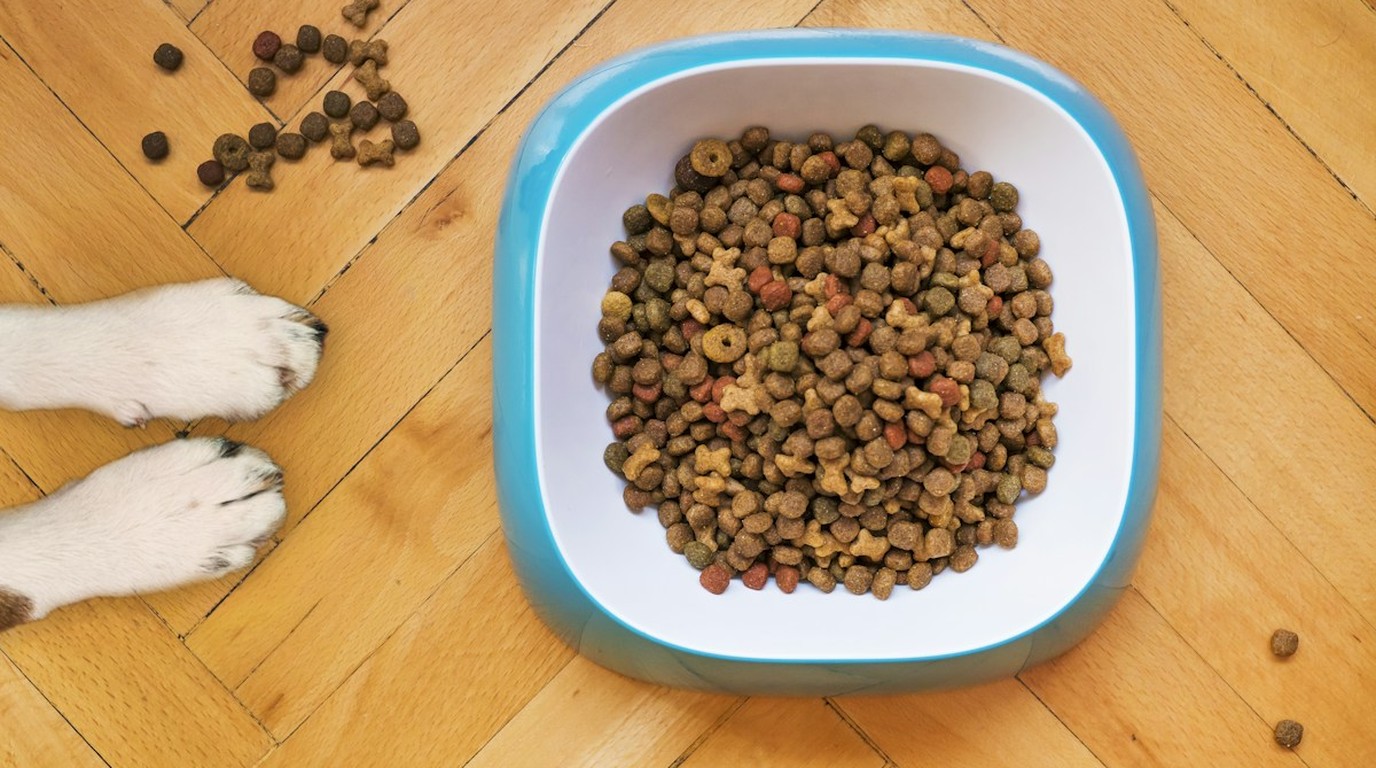
- Moisture & Processing Divide: Traditional kibble is processed at high temperatures and contains only 10% moisture, whereas fresh lightly cooked diets retain 70%+ natural cellular hydration and bioavailable nutrients.
- The 20% Fresh Addition Rule: You don’t have to go 100% fresh to see dramatic health benefits; replacing just 15–20% of your dog’s daily kibble with fresh whole foods significantly enhances antioxidant and digestive vitality.
- Protein Rotation: Feeding the exact same single-protein kibble for years can lead to digestive monotony and food sensitivities; gradual rotational feeding builds a resilient gut microbiome.
Walk down any pet supply aisle today, and you will encounter an overwhelming landscape of dietary options: grain-free kibble, air-dried morsels, freeze-dried raw patties, and refrigerated fresh food rolls. For decades, commercial dry kibble was hailed as the undisputed, complete-and-balanced standard for domestic dogs. However, as canine nutritional science and comparative biology advance, dedicated dog owners are increasingly asking a fundamental question: How does heavily processed dry kibble compare to fresh, whole-food nutrition?
Understanding the nutritional realities of what goes into your dog’s bowl allows you to make informed, budget-conscious decisions that optimize digestion, skin health, and long-term vitality.
Fresh Dog Food vs. Kibble: Manufacturing Differences & Digestibility
The difference between dry kibble and fresh food begins at the manufacturing plant:
- Commercial Extrusion (Kibble): Ingredients (meat meals, starches, legumes, vitamin packs) are ground into a slurry, pushed through an extruder under extreme heat (often exceeding 200°C / 400°F) and high pressure, formed into pellets, dried, and then sprayed with fats and flavor enhancers to make the dry starch palatable. This high-heat processing can degrade delicate heat-sensitive vitamins and denature natural enzymes.
- Gently Cooked Fresh Food: Real muscle meats, organ meats, and vegetables are cooked at low temperatures (similar to a home slow cooker or sous-vide) just enough to eliminate pathogens while preserving natural cellular moisture, amino acid integrity, and bioavailable micronutrients.
Dog Kibble vs. Fresh Food: Head-to-Head Nutritional Comparison
| Nutritional Parameter | Dry Extruded Kibble | Gently Cooked Fresh Food | Canine Health Impact |
|---|---|---|---|
| Moisture Content | Low (8–10%) | High (70–75%) | Natural hydration supports kidney filtration, bladder health, and prevents chronic low-grade dehydration. |
| Carbohydrate Load | High (35–60% needed for binding) | Low to Moderate (10–25%) | Lower starch reduces post-prandial glucose spikes and supports lean body mass management. |
| Protein Bioavailability | Variable (meat meals & plant proteins) | High (whole named muscle & organ meats) | Superior amino acid absorption maintains skeletal muscle mass in aging dogs. |
| Digestibility & Stool Volume | Moderate (larger, bulkier stools) | High (compact, smaller stools) | High digestibility means less unabsorbed residue passes through the colon. |
Decoding Pet Food Labels: What to Look For
Regardless of whether you choose dry, fresh, or a combination, learning to decode the pet food ingredient label is your best consumer defense:
- Named Meats First: The first two or three ingredients should be specific named proteins (e.g., “Deboned Turkey”, “Beef Heart”, “Wild Salmon”) rather than generic terms like “animal fat” or “meat meal”.
- Watch for “Ingredient Splitting”: Manufacturers sometimes divide a single grain or legume into multiple fractions (e.g., peas, pea flour, pea starch) so that meat appears first on the label, even though total peas outweigh the meat combined.
- Evaluate Starch Sources: Wholesome, digestible carbohydrates like sweet potatoes, pumpkin, and brown rice provide dietary fiber without the excessive glycemic spikes of refined corn or wheat gluten.
The 20% Fresh Food Rule: Budget-Friendly Whole Food Benefits
Feeding a 100% commercial fresh-food diet can be cost-prohibitive, especially for large breeds. Fortunately, canine nutritionists emphasize that health is not an all-or-nothing proposition.
By replacing **15% to 20% of your dog’s daily kibble calories** with fresh, nutrient-dense whole foods, you infuse their diet with live enzymes, natural moisture, and potent antioxidants without unbalancing the core calcium-to-phosphorus ratios of their complete base food. Excellent additions include:
- Lightly steamed, puréed green vegetables (broccoli, zucchini)
- Antioxidant-rich wild blueberries or blackberries
- A spoonful of plain canned pumpkin (see our Canine Superfoods Guide for exact portions)
- Canned wild-caught sardines packed in water (no salt added)
- A gently poached or scrambled plain egg (including the yolk)
The Benefits of Safe Rotational Feeding
In the wild, canines never consumed the exact same protein source every single day for ten consecutive years. Rotating protein bases (e.g., alternating between turkey, beef, and fish every few bags or months) offers significant advantages:
- Diverse Amino Acid Profiles: Different meats provide distinct ratios of essential amino acids, trace minerals, and fatty acids.
- Microbiome Resilience: Dietary variety fosters a richer, more diverse bacterial ecosystem in the gut, improving overall immune regulation.
- Reduced Food Sensitivities: Continuous, lifelong exposure to a single protein source is a frequent trigger for acquired protein intolerances.
The pet food conversation often turns into an unnecessary war of extremes. You do not need an artisanal budget or an extra refrigerator to make meaningful improvements in your dog’s daily nutrition. If high-quality kibble fits your budget and lifestyle, use it as your balanced foundation—and then elevate that bowl by adding fresh moisture, gentle whole-food toppers, and occasional protein variety. Your dog’s coat, energy levels, and digestive comfort will show the results.
Frequently Asked Questions: Fresh Dog Food & Nutrition
Will adding fresh food to kibble cause an upset stomach?
If introduced slowly over 5 to 7 days, most dogs tolerate fresh additions seamlessly. Start with a single teaspoon of pure pumpkin or a small piece of steamed broccoli before gradually expanding to other foods.
How long does an open bag of kibble stay fresh?
Once a kibble bag is opened, fats sprayed on the surface begin to oxidize when exposed to air. Best practice is to use the food within 4 to 6 weeks, keeping the kibble inside its original bag and storing that bag within an airtight container.
Does dry kibble actually clean a dog’s teeth?
Contrary to popular myth, standard kibble shatters immediately upon contact with canine teeth and provides minimal abrasive plaque removal. Routine enzymatic brushing, veterinary dental cleanings, and raw recreational bones (under supervision) are far more effective.