
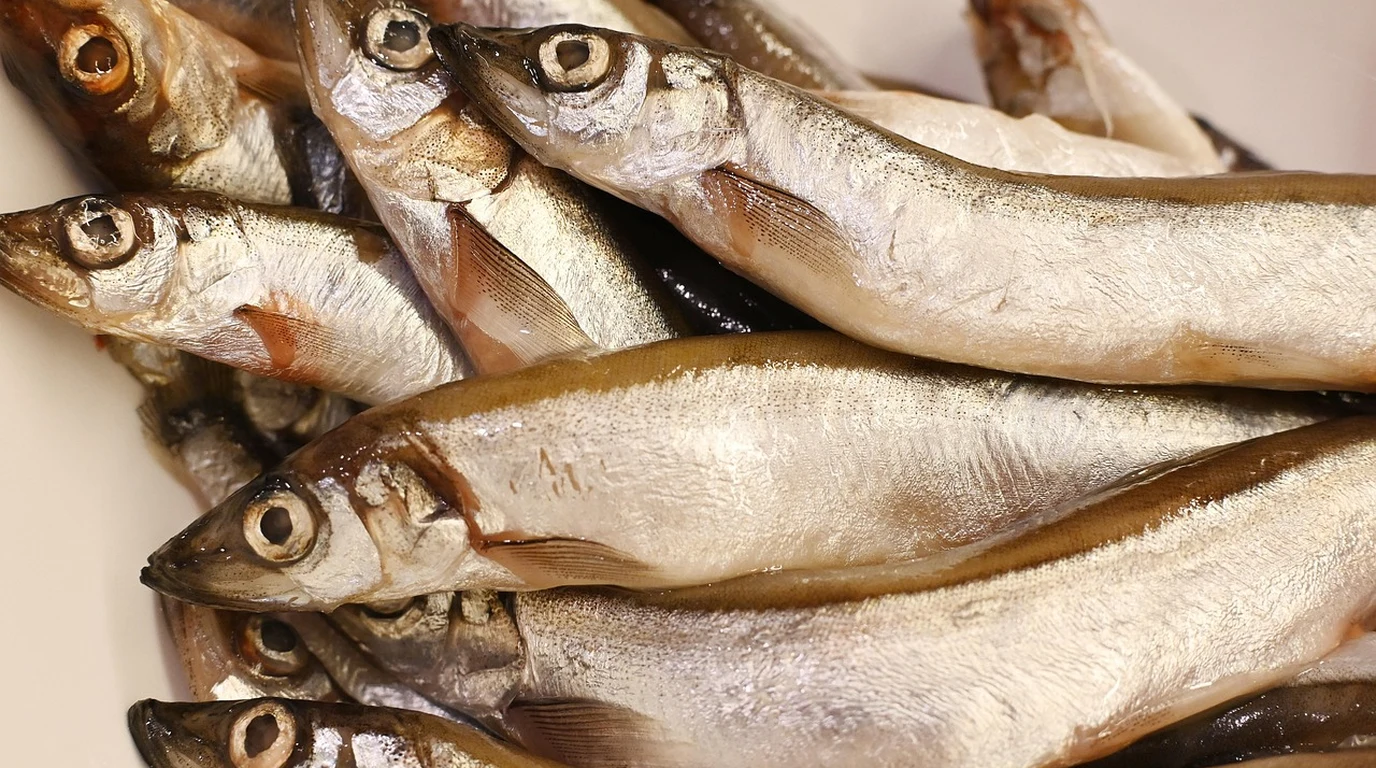
If you have ever stood in the pet food aisle staring at a $45 bottle of pump-action salmon oil—only to smell rancidity three weeks later—or watched your dog scratch their skin raw despite expensive prescription kibble, you understand the frustration of modern canine wellness. The pet industry bombards dog owners with isolated supplements, synthetic chews, and highly processed oils that promise to fix everything from dull coats to stiff joints. Yet, the most powerful anti-inflammatory tool available for your dog costs less than three dollars a tin and sits quietly on the shelf of your local grocery store: the humble sardine.
As a canine nutrition specialist, I am often asked if whole food supplementation needs to be complicated. It doesn’t. But while feeding sardines seems straightforward, doing it incorrectly can introduce excessive sodium, unwanted inflammatory omega-6 fatty acids, or GI distress. Let’s clear away the marketing noise and look at the exact science, sourcing guidelines, and portioning math required to turn this small fish into a transformative staple of your dog’s diet.
*Note: If your dog has a history of clinical acute pancreatitis, hyperlipidemia, or severe food allergies, consult your attending veterinarian before introducing any high-fat whole food supplement.*
Direct Practical Verdict:
Canned sardines packed in water with no added salt are an exceptional, bioavailable source of pre-formed EPA and DHA omega-3 fatty acids for dogs. They combat joint inflammation, enhance cognitive function, and restore skin barrier integrity without the heavy metal bioaccumulation risks associated with larger marine apex predators like salmon or tuna.
Why Are Sardines Superior to Salmon and Synthetic Fish Oils for Dogs?
To understand why sardines punch so far above their weight class, we have to look at marine ecology and canine biochemistry. Dogs require long-chain omega-3 fatty acids—specifically eicosapentaenoic acid (EPA) and docosahexaenoic acid (DHA)—to modulate systemic inflammation. While plant-based omega-3 sources like flaxseed or chia seeds provide alpha-linolenic acid (ALA), dogs lack efficient levels of the enzyme delta-6 desaturase. Consequently, a dog’s metabolic conversion rate of plant-based ALA into usable EPA and DHA is estimated at under 1 to 5 percent. To achieve meaningful therapeutic results for skin, joint, and brain health, marine-derived EPA and DHA are non-negotiable. However, not all marine sources are created equal. The commercial fish oil industry relies heavily on apex predators like wild salmon, mackerel, and tuna. Because these species sit high on the oceanic food chain and live for several years, they accumulate heavy metals, microplastics, polychlorinated biphenyls (PCBs), and mercury through a process called bioaccumulation. Sardines, conversely, occupy a low trophic level in the marine ecosystem. As short-lived pelagic planktivores, they feed on phytoplankton and zooplankton. They naturally harvest pure omega-3s directly from the ocean’s primary producers, accumulating virtually zero heavy metals or mercury over their brief lifespan. When you feed a sardine, you are providing your dog with an unrefined, whole-food matrix that includes bioavailable marine protein, vitamin D3, vitamin B12, selenium, and coenzyme Q10 alongside clean fatty acids. Furthermore, liquid fish oils in pump bottles are notoriously unstable. Every time the pump is depressed, oxygen enters the container. Exposure to light and ambient air triggers lipid oxidation, transforming delicate polyunsaturated fats into cytotoxic lipid peroxides. Rancid fish oil doesn’t just taste bad—it actively consumes your dog’s internal antioxidant reserves (like Vitamin E) and worsens systemic oxidative stress. Sardines, sealed air-tight in a tin or fed raw-frozen, preserve lipid stability right up to the moment of consumption. From a cellular standpoint, EPA competes directly with arachidonic acid (an omega-6 fatty acid) for access to the cyclooxygenase (COX) and lipoxygenase (LOX) enzymes. When EPA replaces arachidonic acid in cell membranes, it downregulates the production of pro-inflammatory eicosanoids (such as prostaglandin E2 and leukotriene B4). The practical result for your dog? Reduced pruritus (itching) in allergic skin disease, diminished synovial joint inflammation in osteoarthritic hips, and improved neural cell membrane fluidity in senior dogs suffering from Canine Cognitive Dysfunction (CCD).What Sourcing Traps Can Turn Sardines into a Health Risk for Your Dog?
Despite their extraordinary nutritional profile, buying the wrong tin of sardines can undo these benefits and introduce serious clinical complications. When shopping at the supermarket, 80% of the canned sardine options on the shelf are engineered for human culinary taste profiles, which often makes them toxic or harmful to canines. Here are the critical sourcing traps you must avoid: * The Vegetable and Seed Oil Trap: Never buy sardines packed in soybean oil, sunflower oil, corn oil, or generic “vegetable oil.” These oils are extremely dense in linoleic acid—an omega-6 fatty acid. Ingesting excess omega-6s shifts the canine metabolic balance toward inflammation, effectively neutralizing the therapeutic benefits of the sardine’s native EPA and DHA. Furthermore, ultra-processed seed oils are prone to high-heat oxidation during processing. * The Sodium Hazard: Sardines packed in brine or labeled “with added salt” can contain upwards of 300 to 400 milligrams of sodium per tin. While healthy adult dogs possess efficient renal mechanisms to excrete moderate sodium excess, high-salt foods can precipitate hypernatremia, acute gastric distress, and elevated blood pressure. For dogs with subclinical kidney disease or congestive heart failure, excess sodium can be dangerous. Always select cans labeled “No Salt Added” or check the ingredient panel to verify sodium levels remain under 50mg per serving. * Toxic Seasonings and Flavorings: Avoid canned sardines packed with mustard sauce, tomato sauce, chili oils, or smoked flavorings. Many of these preparations contain concealed garlic powder or onion powder, both of which contain thiosulfates capable of inducing oxidative damage to canine red blood cells (leading to Heinz body anemia). Added spices can also trigger acute gastroenteritis or pancreatitis in sensitive dogs. * The Olive Oil Misconception: While olive oil is non-toxic to dogs, sardines packed in extra virgin olive oil add unnecessary, dense calories without providing EPA or DHA. If your dog is on a strict caloric budget or prone to weight gain, the excess fat from oil-packed fish can easily trigger diarrhea or acute pancreatitis. Water-packed is always the clinical standard. What about the bones? This is one of the most common anxieties among dog owners. In raw or cooked poultry, cooked bones splinter into sharp fragments that present choking and intestinal perforation hazards. However, commercial canned sardines undergo high-pressure thermal processing (retorting). This process softens the delicate sardine skeleton to a point where the bones crumble effortlessly between your fingers. These soft, pressure-cooked bones are completely safe and fully digestible. More importantly, they provide a biological balance of elemental calcium and phosphorus in a natural ~1:1 ratio. When you feed whole sardines with bones included, you deliver balanced minerals that support your dog’s skeletal frame without disrupting the homeostatic mineral balance of their baseline diet.How Many Sardines Should You Feed Your Dog? (The Weight-Tiered Portion Guide)
Because sardines are nutrient-dense and rich in healthy fats, they must be factored into your dog’s daily caloric allotment. As a clinical rule of thumb, whole-food toppers and treats should never exceed 10% of a dog’s total daily caloric intake, with the remaining 90% coming from a complete and nutritionally balanced base diet. One standard whole canned sardine (packed in water) weighs approximately 12 to 15 grams and delivers roughly 20 to 25 calories, along with approximately 100–150 mg of combined EPA and DHA. The following table provides evidence-based weekly portioning guidelines, projected EPA/DHA yields, and caloric considerations across canine weight classes.| Dog Weight Tier | Weight Range (lbs / kg) | Recommended Weekly Portion | Est. Weekly EPA + DHA Yield | Feeding Protocol & Notes |
|---|---|---|---|---|
| Toy / Micro | 2 – 10 lbs (1 – 4.5 kg) | 1/2 whole sardine per week | ~60 – 75 mg | Split into 2 micro-servings (1/4 fish twice weekly). Watch calorie cap carefully. |
| Small | 11 – 25 lbs (5 – 11 kg) | 1 to 2 whole sardines per week | ~150 – 300 mg | Feed 1 sardine on alternate days. Ideal for skin coat maintenance. |
| Medium | 26 – 50 lbs (12 – 22 kg) | 2 to 3 whole sardines per week | ~300 – 450 mg | Feed 1 whole fish every 2-3 days mashed into main meals. |
| Large | 51 – 75 lbs (23 – 34 kg) | 4 to 5 whole sardines per week | ~600 – 750 mg | Can feed 1 fish daily Monday–Friday. Great joint support for active dogs. |
| Giant | 76+ lbs (35+ kg) | 1 full tin (approx. 5-7 fish) per week | ~900 – 1100 mg | Divide across 3-4 meal toppings throughout the week. Excellent anti-inflammatory dosage. |
The Actionable Feeding Playbook for Picky or Sensitive Dogs
Transitioning your dog to whole sardines should be a seamless, stress-free process. If introduced too rapidly, sudden dietary fat increases can cause transient loose stools. Follow this concrete step-by-step implementation guide to safely integrate sardines into your dog’s routine starting today.Step 1: The Grocery Store Verification Checklist
Before putting a tin in your cart, turn the can around and inspect the ingredient label against these criteria: 1. Primary Ingredient: Sardines (Sardina pilchardus or Sardinops sagax). 2. Packing Liquid: Water (or “Spring Water”). Zero oil. 3. Sodium Content: Must state “No Salt Added” or show < 50mg sodium per 100g serving. 4. Excluded Ingredients: No soy oil, sunflower oil, tomato sauce, garlic, onion, smoke flavor, or artificial preservatives (BHA/BHT/Ethoxyquin).Step 2: Storage and Portion Management
Once a tin is opened, oxidation begins. Because a single tin usually contains more fish than a small-to-medium dog should eat in one sitting, proper storage is critical: * The 3-Day Rule: Store remaining sardines in an airtight glass container in the refrigerator for up to 72 hours. Never leave unused sardines in the open tin inside the fridge, as contact with oxygen and metal can alter flavor and accelerate oxidation. * The Silicone Mold Freeze Trick: If you have a small dog who only eats 1 or 2 sardines a week, place individual whole fish or portions into silicone ice cube trays. Cover with a splash of water or plain bone broth and freeze. Frozen sardine cubes stay fresh for up to 3 months.Step 3: The 3-Tiered Protocol for Picky Eaters or Sensitive Stomachs
While most dogs devour sardines with enthusiasm, some dogs are suspicious of new textures, while others have sensitive gastrointestinal tracts. Match your approach to your dog’s personality: 1. For the GI-Sensitive Dog (The Slow Micro-Introduction): Start by feeding 25% of the recommended daily portion for three consecutive days. Mash the sardine thoroughly into their standard food using a fork. This prevents rapid lipid overload in the small intestine and allows pancreatic enzymes to adapt. If stools remain firm, move up to the full targeted weight-based portion over two weeks. 2. For the Picky Eater (The Aromatic Warm Mash): Picky dogs rely heavily on olfactory stimulation. Take one sardine, place it in a heat-safe bowl with one tablespoon of warm water (not hot), and mash it into a smooth paste. Drizzle this warm sardine gravy directly over their kibble or fresh food. Volatilizing the healthy fats releases strong, enticing aromas that trigger appetite pathways. 3. For the Texture-Avoidant Dog (The Frozen Purée Glaze): Some dogs dislike the soft, flaky texture of canned fish. Blend canned sardines with a splash of water until completely smooth, pour the mixture into silicone molds, and freeze solid. Serve the frozen sardine bite as a high-reward crunch treat after a walk or place it directly on top of their meal. The frozen texture removes the soft sensation while retaining full nutritional value. —Frequently Asked Questions
Can dogs eat canned sardines every day?
Yes, dogs can eat canned sardines daily provided the total portion fits within their 10% daily caloric treat limit and matches their weight tier. However, feeding sardines 3 to 4 times per week is generally sufficient to maintain optimal skin barrier function, coat gloss, and joint lubrication without over-supplements or unnecessary calorie accumulation.Are fresh or frozen raw sardines better for dogs than canned sardines?
Fresh or raw-frozen sardines are exceptional whole-food options because they undergo no thermal processing, preserving delicate heat-sensitive enzymes. However, canned sardines packed in water offer superior convenience, long shelf life, and completely softened bones that eliminate any physical puncture risk. Both fresh and water-packed canned sardines provide excellent, bioavailable EPA and DHA profiles.What should I do if my dog gets diarrhea after eating sardines?
Transient loose stools usually result from introducing a concentrated fat source too quickly. Temporarily halt sardine feeding until digestive function returns to baseline. When reintroducing, reduce the portion size by half and mix it thoroughly into a high-fiber meal. If diarrhea persists despite small portions, discontinue use and consult your veterinarian to evaluate for fat sensitivity or underlying pancreatitis.Can puppies eat canned sardines?
Absolutely. In fact, docosahexaenoic acid (DHA) is a critical structural fatty acid required for neurological development, synaptic formation, and retinal growth in growing puppies. Ensure the sardines are water-packed with no added salt, and keep the portion small so you do not disrupt the precise calcium-to-phosphorus balance of their complete and balanced large-breed or small-breed puppy food.
Whole Marine Sardines & Bioavailable Lipid Sourcing
Specialized marine mussel extracts complement whole-fish omega-3 supplementation for joint resilience. For feeding whole sardines and EPA/DHA ratios, explore our guide on Green Lipped Mussel for Dogs: ETA Omega-3 Bio-Math.