
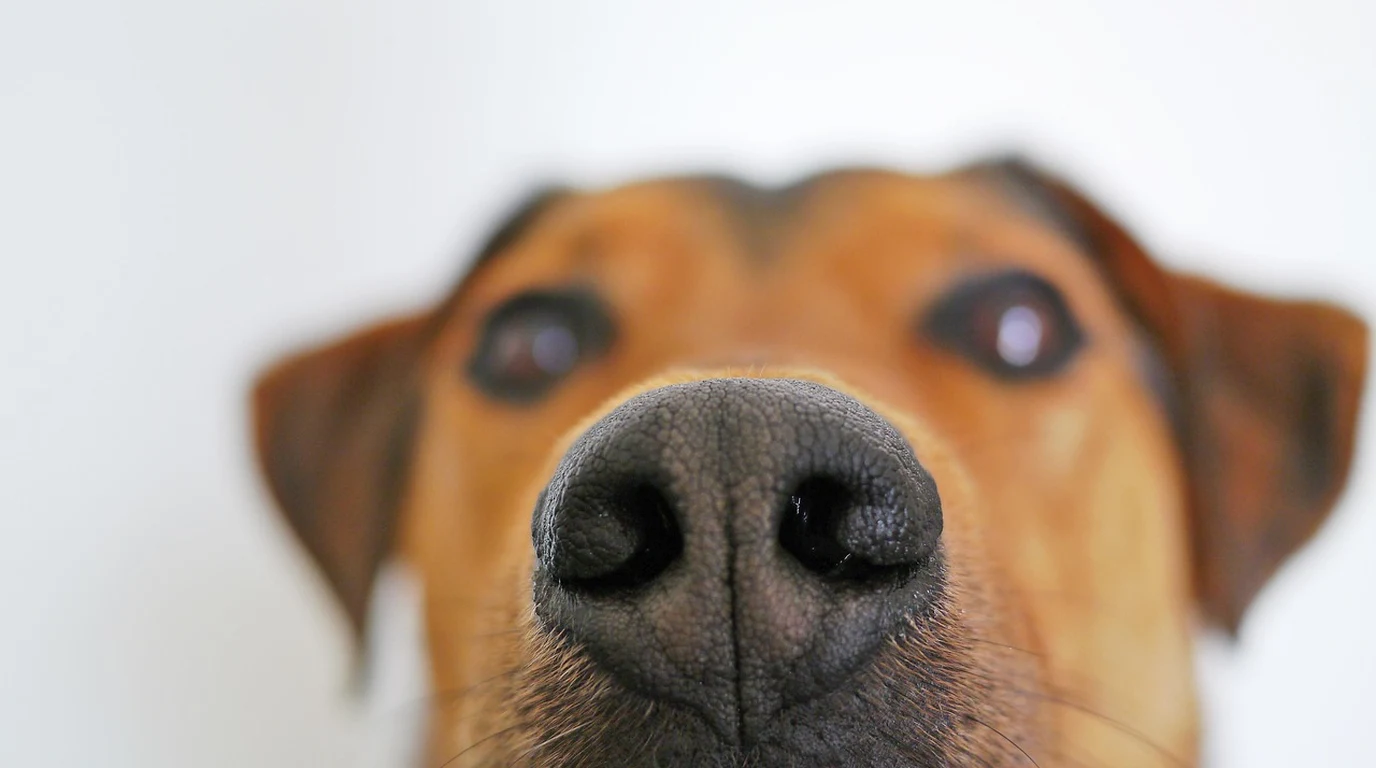
If you have ever watched your dog return from a brisk thirty-minute sidewalk walk completely wired and pacing the living room, you have confronted one of the greatest paradoxes of canine care: physical locomotion alone rarely satisfies an intelligent canine mind. Dogs perceive and navigate reality through their olfactory system. While a human retina possesses roughly six million color-detecting cones, a dog’s olfactory epithelium contains up to three hundred million scent receptors, backed by an olfactory bulb that is proportionally forty times larger than ours. When we rush dogs along on a short leash, forcing them to power-walk without pause, we inadvertently deprive them of their primary sensory modality. Enter the snuffle mat: an deceptively simple enrichment tool constructed of dense fleece fabric strips anchored to a sturdy rubber grid. Far from being a novelty pet toy, the snuffle mat is a clinically validated sensory enrichment tool that activates intrinsic foraging behaviors, lowers salivary cortisol, stimulates calming neurotransmitters, and provides profound cognitive exercise for dogs of every age and mobility level.
How Do Snuffle Mats Work and Why Do They Relieve Canine Stress?
Snuffle mats engage a dog’s innate seeking and foraging instincts by forcing them to hunt for food scent molecules trapped deep inside fleece strips. Peer-reviewed animal behavior studies demonstrate that sustained olfactory search activity shifts a dog’s autonomic nervous system from sympathetic arousal (“fight-or-flight”) into parasympathetic dominance (“rest-and-digest”), significantly lowering resting heart rate and circulating cortisol while elevating endorphins and dopamine.
The neurobiology of canine olfaction explains why just fifteen minutes of focused sniffing can exhaust an energetic dog more effectively than an hour of repetitive physical ball-chasing. When a dog inhales during an active search, air is split into two distinct pathways by a subethmoidal shelf: roughly 12% enters the respiratory tract for gas exchange, while 88% is directed into the olfactory recess. Here, the air passes over intricate turbinate bones lined with millions of sensory cilia. Processing these microscopic volatile organic compounds requires intense computational power from the canine cerebral cortex.
Furthermore, repetitive high-arousal games like repetitive tennis ball retrieving often trigger massive surges of adrenaline and cortisol, keeping high-drive breeds in a perpetual state of hyper-vigilance. Scent work does the exact opposite. Olfactory foraging taps into the fundamental “seeking system” identified by neuroscientist Dr. Jaak Panksepp. Engaging the seeking system releases steady, dopamine-mediated satisfaction without overstimulating the sympathetic nervous system, creating calm, contented, and emotionally balanced behavior.
Forensic Comparison: Snuffle Mats vs. Lick Mats vs. Puzzle Toys
Selecting the optimal enrichment tool depends on your dog’s specific behavioral arousal state, physical limitations, and dietary preferences:
| Enrichment Tool | Primary Neurological Mechanism | Best Food Media | Ideal Behavioral Use Case |
|---|---|---|---|
| Fleece Snuffle Mat | Active Olfactory Foraging & Sniffing | Dry kibble, dehydrated meat bites, broken biscuits | Meal slow-feeding, hyperactive puppies, rainy day mental stimulation, post-operative crate rest. |
| Textured Lick Mat | Repetitive Licking & Endorphin Release | Greek yogurt, pumpkin puree, bone broth, canned fish | Situational acute anxiety: thunderstorms, fireworks, nail trims, veterinary grooming procedures. |
| Slider / Level 2 Puzzle Box | Executive Problem-Solving & Dexterity | High-value freeze-dried liver, cheese cubes | High-drive working breeds (Border Collies, Poodles); requires direct supervision to prevent destructive chewing. |
| Flirt Pole (High-Drive Play) | Predatory Motor Sequence (Chase/Catch) | Fleece lure / synthetic prey dummy | Physical sprint conditioning and impulse-control training for high-energy dogs with healthy joints. |
Notice the functional synergy between sniffing and licking. While high-drive physical outlets like those outlined in our masterclass on flirt poles for dogs and joint safety burn explosive athletic energy, snuffle mats provide the calming downshift necessary to return dogs to baseline emotional homeostasis. For senior dogs with limited mobility or recovering surgical patients who cannot run, snuffle mats offer a non-strenuous, joyful outlet that prevents boredom and hospital depression.
How to Introduce a Snuffle Mat and Stop Destructive Chewing
The most common failure mode with snuffle mats occurs when an owner dumps kibble into the fabric, places the mat on the carpet, and walks away into the other room. A high-energy dog who has never been taught how to forage may become frustrated, grab the heavy rubber base in their jaws, and vigorously shake or shred the fleece strips to dump the food out. To cultivate patient, calm sniffing rather than destructive chewing, follow this three-stage protocol:
- Stage 1 (Surface Level Success): During the first three sessions, sit beside your dog on the floor. Scatter treats lightly across the very top tips of the fleece strips without burying them. When your dog approaches and sniffs, use a calm verbal marker (“Yes, search”) to encourage them. The instant they find a piece, they receive immediate reinforcement, teaching them that their nose is the primary tool.
- Stage 2 (Burying and Layering): Once your dog is actively sniffing rather than grabbing the fabric, begin tucking treats halfway down the folds of the fleece. If your dog attempts to paw aggressively or bite the mat, place your flat hand over the mat and say “Easy.” The moment they resume calm sniffing with their nostrils flared, remove your hand and let them continue.
- Stage 3 (Deep Olfactory Excavation): Bury small, aromatic treats (such as dehydrated beef lung or freeze-dried minnows) all the way to the rubber base. Close the session while the dog is still engaged: once the final treat is consumed, gently pick the mat up, praise your dog, and put the mat out of sight. Never leave an empty snuffle mat on the floor as a chew toy.
Hygiene, Machine Washing, and Mold Prevention
Because snuffle mats come into direct contact with canine saliva, food oils, and floor dust, proper hygiene maintenance is critical to prevent bacterial proliferation and mold growth:
- Weekly Machine Washing: Wash your fleece snuffle mat once per week in a washing machine on a gentle, cold-water cycle. Place the mat inside a mesh laundry bag or pillowcase to prevent fleece tassels from snagging on the agitator.
- Hypoallergenic, Fragrance-Free Detergent: Canine olfaction is sensitive down to parts per trillion. Never wash snuffle mats with scented detergents, fabric softeners, or bleach. Scented chemical residues can cause olfactory irritation, sneezing, or refusal to use the mat. Use a hypoallergenic, dye-free, unscented laundry detergent.
- Air Drying Protocol: Tumble dry on “Air Fluff” (no heat) or lay the mat flat outdoors in the sun to air-dry completely before storing. Never apply high heat in a dryer, which melts synthetic rubber backing grids and frays polyester fleece fibers.
Pairing sensory foraging with olfactory environmental puzzles as explored in our foundational review of canine enrichment and brain health guarantees that your dog’s cognitive architecture remains sharp and engaged throughout their lifespan.
A snuffle mat is one of the highest-return investments you can make in your dog’s emotional well-being. By converting mealtime into an engaging olfactory hunt, you satisfy deep evolutionary foraging drives, downregulate nervous system arousal, and provide vital cognitive enrichment that keeps your companion’s brain flexible, resilient, and peaceful.
Indoor nosework pairs seamlessly with dedicated foraging mats to soothe anxiety. Explore our practical analysis on Dog Scent Games at Home: Olfactory Brain Enrichment.