
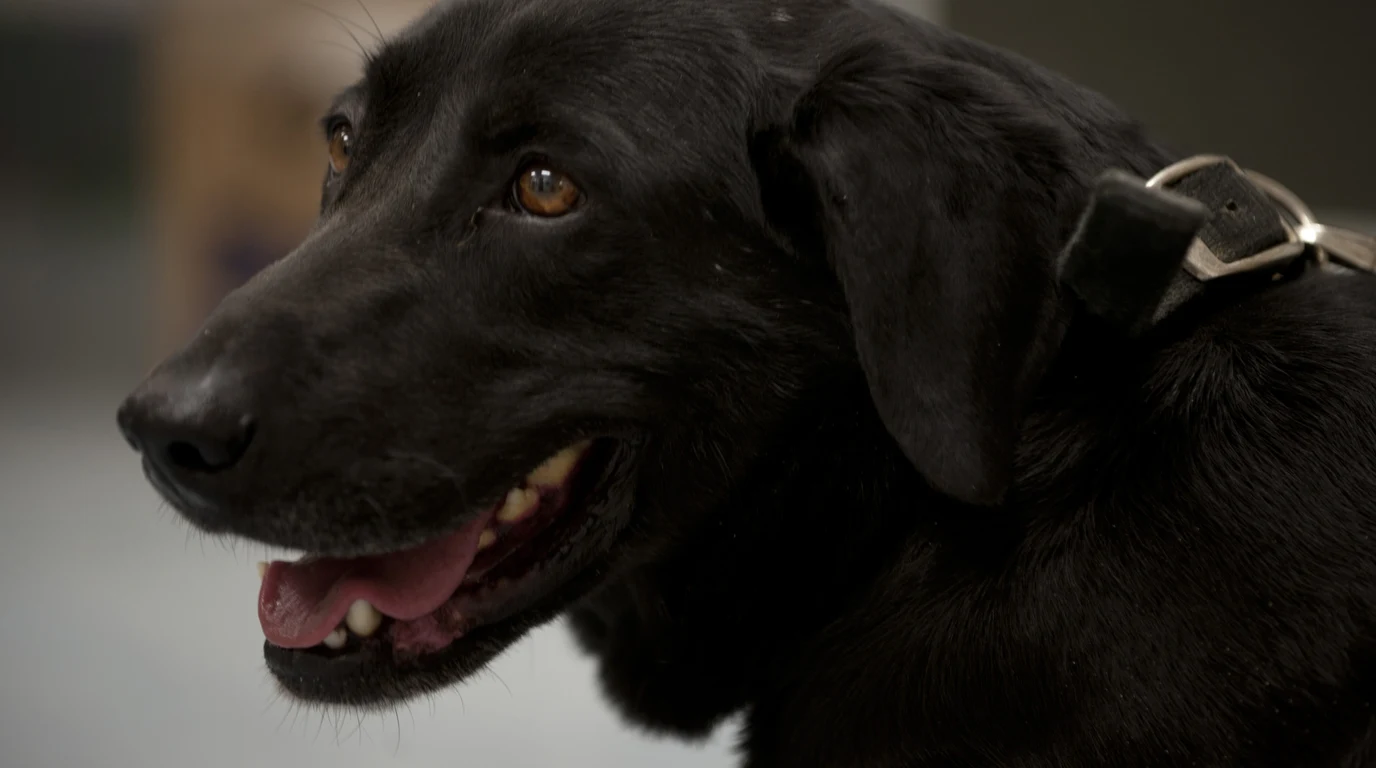
The Canine Atopic Dermatitis Crisis: Why Modern Dogs Itch
Canine atopic dermatitis (environmental allergies) represents one of the most widespread chronic inflammatory diseases in companion animal medicine. Dogs afflicted with atopy suffer from compromised epidermal skin barrier function, allowing ubiquitous airborne environmental allergens—such as tree and grass pollens, weed spores, dust mites, and fungal molds—to penetrate directly into subcutaneous dermal tissue.
Once inside the dermis, allergens cross-link with IgE antibodies on mast cells, triggering a cascading release of inflammatory mediators and neuro-sensory cytokines. Chief among these is Interleukin-31 (IL-31), an itch-inducing cytokine that binds directly to sensory nerve receptors in the skin, sending electrical distress signals up the spinal cord to the brain. The result is the debilitating “itch-scratch cycle”: relentless paw licking, facial rubbing, belly scratching, and secondary bacterial (Staphylococcus) or fungal (Malassezia) yeast infections that erode quality of life.
Cytopoint vs. Apoquel: Biochemical Mechanisms of Action
For decades, veterinary medicine relied on systemic corticosteroids (prednisone) to suppress allergic pruritus, accepting catastrophic long-term side effects including iatrogenic Cushing’s disease, polyuria, polydipsia, liver enlargement, and immunosuppression. Modern veterinary dermatology has been revolutionized by targeted therapies:
- Apoquel (Oclacitinib Maleate): Apoquel operates as a synthetic small-molecule inhibitor of the Janus kinase (JAK) family of enzymes, primarily targeting JAK-1 and to a lesser extent JAK-3. By inhibiting JAK enzymatic phosphorylation, Apoquel blocks the intracellular signaling of multiple pruritogenic and pro-inflammatory cytokines, including IL-31, IL-2, IL-4, IL-6, and IL-13. It is administered as an oral tablet twice daily for the first 14 days, followed by once-daily maintenance.
- Cytopoint (Lokivetmab): Cytopoint represents an entirely different class of biological medicine. It is a sterile, engineered monoclonal antibody that has been specifically “caninized” (90%+ canine protein structure) to prevent the dog’s immune system from rejecting it. Cytopoint targets a single, precise molecular target: circulating IL-31. It circulates in the bloodstream, binds directly to IL-31 molecules, and deactivates them before they can attach to peripheral sensory nerve receptors. Administered as a subcutaneous injection, a single dose delivers 4 to 8 weeks of continuous itch relief.
| Comparison Dimension | Apoquel (Oclacitinib) | Cytopoint (Lokivetmab) |
|---|---|---|
| Drug Classification | Synthetic oral JAK-1 enzyme inhibitor | Caninized monoclonal antibody (biologic) |
| Administration Route | Daily oral tablet (with or without food) | Subcutaneous veterinary injection every 4–8 weeks |
| Onset of Itch Relief | Rapid onset within 4 hours; peak at 24 hours | Effective within 24 hours; peak at 48 hours |
| Metabolic Breakdown Pathway | Metabolized by liver (hepatic) and cleared by kidneys | Recycled into amino acids via cellular catabolism |
| Age & Safety Restrictions | Strictly dogs > 12 months; not for active severe infections | Safe for dogs of all ages, including puppies & seniors with CKD |
| Potential Adverse Effects | Vomiting, diarrhea, lethargy, rare secondary papillomas | Minimal; rare transient lethargy or injection site pain |
Safety Profile & Organ Metabolism: The Senior Dog Advantage
The pivotal clinical distinction between these two medications lies in how the canine body processes and eliminates the compound:
Apoquel’s Hepatic & Renal Clearance: Because Apoquel is a synthetic chemical compound, it relies on liver cytochrome enzymes for metabolism and renal excretion for elimination. While safe for healthy young adult dogs, long-term continuous Apoquel use in geriatric dogs with borderline liver enzymes (elevated ALT/ALP) or Stage 2+ chronic kidney disease requires routine baseline blood chemistry monitoring every 6 months to ensure organ function remains stable.
Cytopoint’s Natural Protein Degradation: Because Cytopoint is composed entirely of natural protein antibodies, it does not pass through the liver or kidneys for detoxification. Instead, it is broken down through ordinary cellular catabolism into fundamental amino acids and recycled by the body, exactly like endogenous antibodies. This makes Cytopoint the indisputable gold standard for senior dogs, puppies under 12 months of age, and patients with pre-existing hepatic, renal, or cardiovascular comorbidities.
Clinical Decision Framework: Which Therapy is Right for Your Dog?
Veterinary dermatologists frequently customize allergic protocols based on seasonal patterns and individual canine lifestyles:
Choose Apoquel If: Your dog suffers from acute, highly predictable 2-to-3-week seasonal flares (e.g., peak ragweed season in late August). Apoquel allows owners to start and stop oral therapy rapidly as pollen counts fluctuate without committing to an expensive multi-month injectable protocol. It is also preferred when severe generalized skin inflammation (erythema) accompanies pruritus, as its broader cytokine suppression calms redness faster.
Choose Cytopoint If: Your dog is difficult to medicate with daily oral pills, has a history of gastrointestinal sensitivity, is under 12 months old, or suffers from senior organ compromise. Cytopoint’s “set-it-and-forget-it” 6-to-8-week injection schedule guarantees 100% owner compliance, permanently eliminating missed pill doses that trigger immediate rebound itching.
Gut Microbiome Dysbiosis & The Gut-Skin Axis in Canine Allergies
Modern veterinary immunology increasingly recognizes that atopic dermatitis is not merely an isolated skin disease; it is the external manifestation of systemic immune dysregulation rooted in the canine gut microbiome. The gut-associated lymphoid tissue (GALT) houses over 70% of a dog’s total immune system.
When chronic antibiotic usage, ultra-processed kibble diets, and environmental toxins compromise intestinal mucosal integrity (“leaky gut”), microbial lipopolysaccharides (LPS) leak into the bloodstream. This systemic low-grade endotoxemia hyper-sensitizes T-helper cells (Th2 polarization), predisposing the dog to exaggerated allergic reactions against innocuous environmental pollens. Integrating spore-forming soil-based probiotics (such as Bacillus subtilis and Bacillus coagulans) alongside bovine colostrum and prebiotic larch arabinogalactan strengthens the gut-skin axis, helping calm hyperactive allergic cascades at the root cause.
Topical Barrier Therapy: Medicated Shampoos & Ceramides
Regardless of whether your dog takes Apoquel or receives Cytopoint injections, pharmaceutical therapy must always be paired with active mechanical barrier restoration:
- Weekly Chlorhexidine & Ketoconazole Baths: Dogs with atopic dermatitis frequently develop secondary superficial pyoderma and yeast dermatitis due to self-trauma from scratching. Bathing with an antimicrobial and antifungal shampoo with a strict 10-minute contact time halts microbial overgrowth without systemic oral antibiotics.
- Topical Phytosphingosine & Ceramide Mousses: Allergic skin lacks essential epidermal ceramides and free fatty acids. Applying leave-on lipid restoration mousses directly to paw pads, groin, and axillae seals microscopic epidermal cracks, physically preventing environmental pollens from penetrating into dermal nerve endings.
- Paw Wipes After Outdoor Walks: Wiping your dog’s paws and belly with a damp, hypoallergenic wipe immediately upon returning from grassy fields physically removes clinging pollen grains before your dog can groom and ingest them.
Frequently Asked Questions About Cytopoint vs Apoquel
Can Cytopoint and Apoquel be used together?
Yes. In cases of severe acute allergic flares, veterinary dermatologists frequently initiate treatment with both: administering an initial Cytopoint injection for long-term baseline control while prescribing a short 5-to-7 day course of Apoquel to rapidly quench immediate peak inflammation.
How long does a Cytopoint injection last?
A single Cytopoint injection typically provides effective itch relief for 4 to 8 weeks. In clinical studies, approximately 65% of dogs maintain comfort for a full 6 to 8 weeks, while dogs with severe environmental allergies may require re-dosing every 4 to 5 weeks.
Why is Cytopoint safer for senior dogs with kidney disease?
Cytopoint is a caninized monoclonal antibody (protein biologic). It is not metabolized by the liver or excreted through the kidneys; instead, it is naturally broken down into amino acids through ordinary cellular processes, placing zero toxic burden on aging organs.