
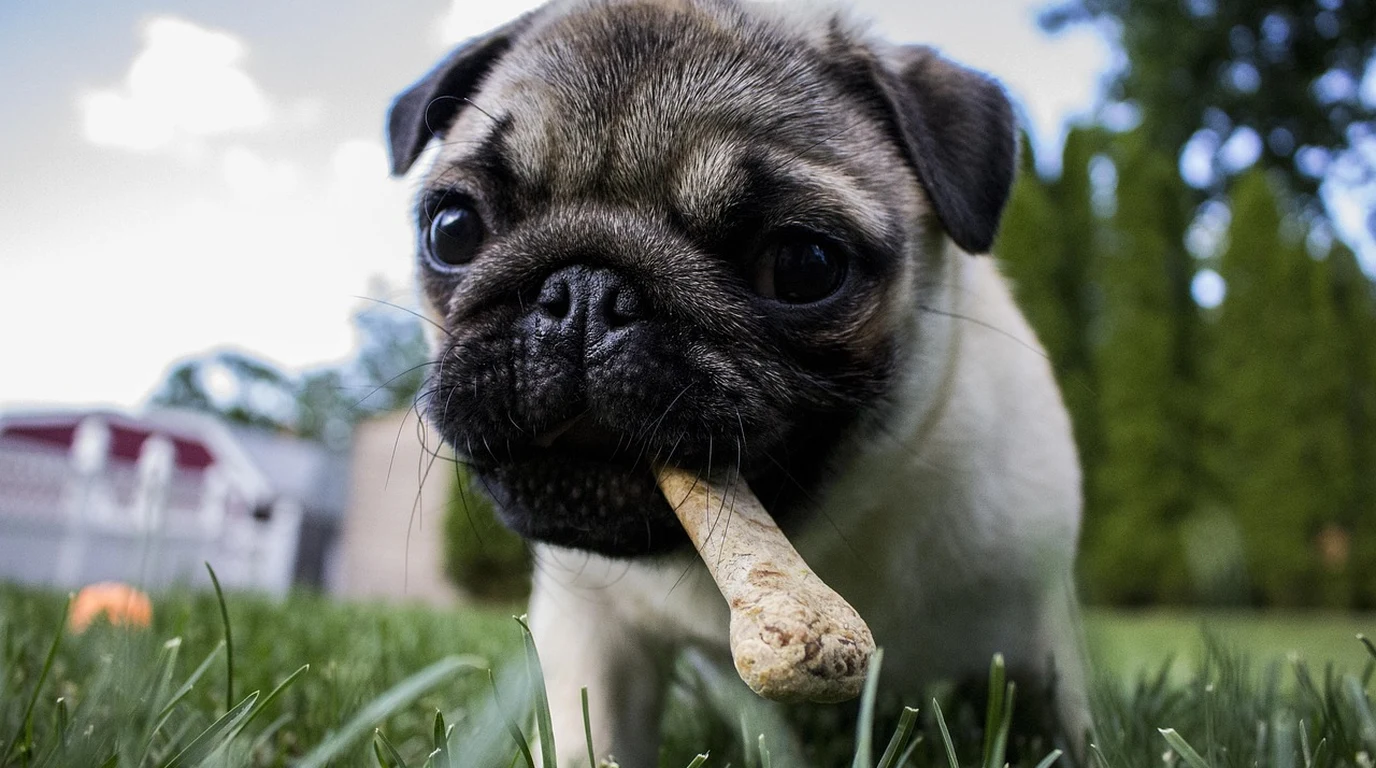
After a chaotic thunderstorm, a high-stress veterinary visit, or a noisy afternoon when neighborhood delivery vans triggered endless fence-running, you might observe a fascinating behavior in your dog: they deliberately seek out a chew toy, settle into a quiet corner, press their front paws firmly around the object, and begin gnawing rhythmically. Within ten minutes, their breathing slows, their tense facial muscles relax, their eyelids droop, and an unmistakable sense of calm settles over their entire body.
Most dog guardians view chewing purely as a mechanical entertainment tool—a way to keep a puppy from shredding the couch cushions or a convenient distraction during dinner. But to veterinary behaviorists, canine neuroscientists, and longevity practitioners, chewing is something far more profound: it is a potent, self-directed neurochemical therapy. Chewing is hardwired into the canine nervous system as an instinctual stress-decompression valve. However, when dog parents provide inappropriate, dangerously hard chews, that calming ritual transforms into an agonizing dental emergency. This evidence-informed clinical guide explores the neurobiology of canine chewing, evaluates dopamine kinetics, breaks down tooth fracture risks, and identifies the safest, longest-lasting chews for longevity.
How Does Chewing Reduce Anxiety and Release Dopamine in Dogs?
Direct Answer: Rhythmic chewing stimulates periodontal ligament mechanoreceptors innervated by the trigeminal nerve (cranial nerve V), sending inhibitory signals to the amygdala that downregulate cortisol and activate the parasympathetic nervous system. This mechanical action stimulates the ventral tegmental area to release dopamine, serotonin, and endogenous endorphins, inducing physiological calmness and cognitive restoration.
The neurochemical impact of chewing is rooted in evolutionary mammalian physiology. The act of mastication activates the trigeminal-autonomic reflex. When the jaw muscles (the temporalis and masseter) contract and relax in a continuous, repetitive rhythm against appropriate resistance, mechanoreceptors surrounding the tooth roots transmit signals directly to the locus coeruleus and the hypothalamus. This rhythmic cranial stimulation blunts the release of corticotropin-releasing hormone (CRH), actively suppressing sympathetic fight-or-flight arousal while lowering baseline heart rate and blood pressure.
- The Dopamine Reward Feedback Loop: Working through an engaging chew activates the brain’s mesolimbic dopamine pathway, satisfying instinctual predatory foraging drives without triggering behavioral over-arousal.
- Endorphin-Mediated Pain Relief: Sustained chewing for >15 minutes releases beta-endorphins, providing natural systemic analgesia that helps ease mild chronic joint discomfort in senior dogs.
- The ‘Kneecap Test’ for Dental Safety: If you cannot make an indentation in a chew with your thumbnail, or if hitting the chew against your knee causes sharp pain, the object is too hard and will cause maxillary fourth premolar slab fractures.
- Salivary Lysozyme & Plaque Defense: Rhythmic chewing stimulates salivary flow, washing the oral cavity with natural enzymatic lysozymes that inhibit subgingival periodontal pathogens.
The Canine Chew Safety & Durability Matrix
The comparative matrix below audits popular commercial canine chews, evaluating dental fracture risk, digestibility, and behavioral calming duration:
| Chew Category | Material Composition | Calming Duration | Dental & Gastrointestinal Safety Profile |
|---|---|---|---|
| Beef Cheek Rolls (Unbleached) | Subcutaneous cheek layer; collagen-rich | High (30 to 60 Minutes) | Excellent; softens with saliva; 100% digestible; zero slab fracture risk |
| Whole Beef / Bison Collagen Sticks | Pressed inner collagen corium layer | Moderate to High (20 to 45 Minutes) | Safe; digestible peptides; supports gut barrier and articular cartilage |
| Frozen Stuffed Natural Rubber (KONG / Toppl) | Pliable rubber packed with frozen purees & broth | High (25 to 45 Minutes) | Gold Standard Safety; zero tooth impact; mental enrichment combination |
| Elk Antlers / Natural Cow Hooves | Dense calcified bone & keratin | Extremely High (Days) | Severe Danger; #1 cause of carnassial slab fractures and tooth extractions |
| Synthetic Nylon Chews (Benebone / Nylabone) | Hard molded petroleum-based nylon | Indefinite | High fracture risk; ingesting sharp micro-plastic shards causes bowel irritation |
The Costly Trap: The Carnassial Slab Fracture Disaster
The single most expensive and painful mistake dog guardians make when seeking a “long-lasting chew” is choosing materials that possess zero structural give: cooked marrow bones, elk/deer antlers, yak cheese chews that have not been microwaved, and hard nylon toys.
Here is the dental anatomy trap: A dog’s primary chewing teeth are the maxillary fourth premolars (the upper carnassials). These massive three-rooted teeth are designed by nature to shear meat and crunch pliable cartilage—they are not designed to crush rock-hard mineralized bone. When a dog bites down on an unyielding antler with 400 pounds of jaw force, the tooth does not penetrate the object. The hydraulic pressure shears the outer enamel and dentin right off the tooth face, exposing the sensitive pulp cavity—a catastrophic injury known as a slab fracture.
The exposed pulp immediately becomes a conduit for oral bacteria, leading to excruciating root abscesses, facial swelling, and systemic inflammation that damages heart valves and kidneys. Repairing a fractured carnassial tooth requires either an emergency surgical extraction under general anesthesia or a $2,500 root canal performed by a board-certified veterinary dentist. Never sacrifice dental health for chew longevity.
At-Home Clinical Care & Monitoring Protocol
To safely harness the neurological power of chewing to calm your dog’s anxiety without risking emergency dental surgery, execute this protocol:
- Apply the Thumbnail Indentation Rule: Before giving any chew to your dog, press your thumbnail firmly into its surface. If your nail cannot make a visible indentation, discard it. It is too hard for canine tooth enamel.
- Transition to Beef Cheek Rolls: Swap dangerous rawhide and hard antlers for thick, unbleached, baked beef cheek rolls. Beef cheek is rich in collagen and naturally softens into a gummy, pliable consistency as your dog’s saliva works through it, providing 45 minutes of safe, non-fracturing oral decompression.
- Build Frozen Calming Enrichment Pods: Pack a natural rubber feeder (like a West Paw Toppl or classic KONG) with canned sardines, pureed pumpkin, soaked kibble, and a splash of bone broth. Freeze for 6 hours. Licking and working through the cold layers combines oral mechanoreceptor decompression with olfactory enrichment.
- Use Safety Chew Holders: When feeding bully sticks or collagen chews, always secure the end inside a safety clamp device (such as a Bow Wow Buddy). This physically prevents your dog from swallowing the final 2-inch ‘stub,’ eliminating esophageal choking and gastrointestinal blockages.
- Deploy Chews Strategically Before Stress Events: Do not wait until your dog is in a state of frantic panic during fireworks or veterinary waiting rooms. Offer a safe chew 30 minutes prior to a known stressor to pre-load dopamine and activate parasympathetic calming pathways before adrenaline surges.
Chewing is not a behavioral vice or a destructive habit to be suppressed; it is nature’s most elegant, self-regulating neurological decompression protocol. When we honor that biological need by providing safe, pliable, highly digestible chews while ruthlessly purging dental-shattering antlers and nylon bones, we protect our dogs’ teeth, dissolve their anxiety, and cultivate lasting emotional equanimity.
When senior dogs experience gradual sensory decline and vision changes, providing safe, low-arousal oral enrichment preserves autonomic calm; read our companion guide: Nuclear Sclerosis vs Cataracts: Senior Dog Vision Guide.
🐾 Science-Backed Companion Masterclass: Behavioral Neurobiology, Chewing & Acoustic Calming
While tactile chewing triggers endogenous dopamine release, extreme atmospheric acoustic phobias require multimodal neuro-sensory support. Read our companion investigation:
👉 Read the Full Masterclass: Dog Thunderstorm Anxiety: Sileo, Thundershirt & Audio »