
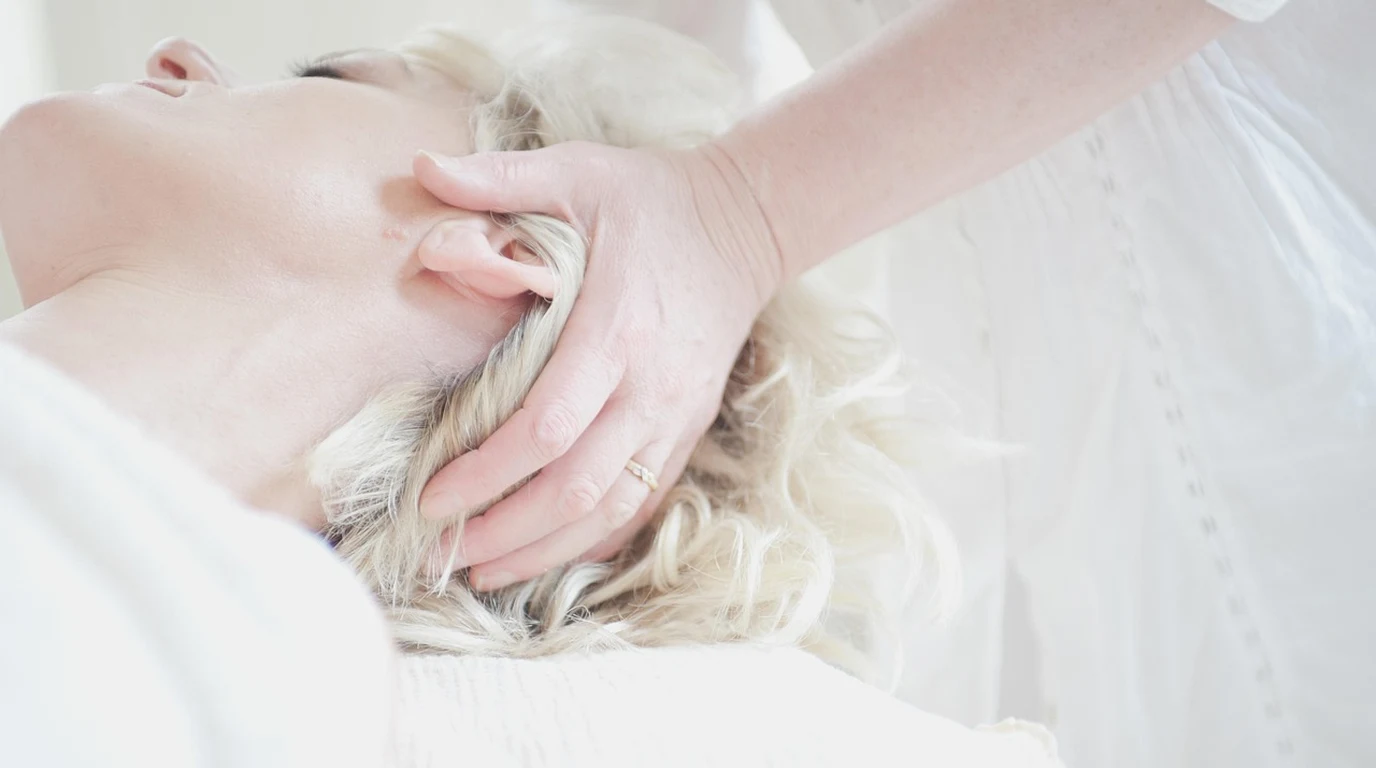
When a senior dog suffers from osteoarthritis, hip dysplasia, or spondylosis, the pain is rarely confined to the afflicted joint. To protect an arthritic left hip or a stiff right elbow, a dog unconsciously alters their biomechanics—shifting their center of mass forward, overloading their shoulders, and carrying chronic compensatory tension throughout their paraspinal muscles, neck, and lumbar spine.
Over months and years, this compensatory strain creates secondary myofascial pain syndromes, muscle spasms, and restricted fascial gliding that can be far more debilitating than the underlying joint degeneration itself. Yet while pharmaceutical interventions like NSAIDs or monoclonal antibodies (Librela) target biochemical inflammation, they do not release mechanical myofascial trigger points or restore local microcirculation. This is where evidence-informed canine massage and targeted acupressure emerge as transformative, low-cost daily therapies that senior dog guardians can master in their own living rooms.
How Does Canine Massage and Acupressure Relieve Senior Joint Stiffness?
Direct Answer: Canine massage stimulates cutaneous mechanoreceptors, activating the parasympathetic nervous system, reducing cortisol, and promoting venous and lymphatic return. Targeted acupressure on key canine points (such as Governing Vessel 20 for calm, Bladder 23 for lumbar comfort, and Gallbladder 34 for tendon flexibility) triggers endogenous endorphin release and releases compensatory fascial tension.
Studies published in veterinary rehabilitation journals demonstrate that gentle tactile massage therapy significantly lowers resting heart rates, increases range of motion in osteoarthritic limbs, and reduces behavioral markers of chronic pain. Furthermore, the daily ritual of intentional touch deepens the human-canine bond, providing immense emotional comfort to aging companions who may feel vulnerable as their physical faculties decline.
- Effleurage (Gliding Strokes): Broad, flat-palmed strokes following the direction of hair growth to warm superficial tissues, encourage venous blood return, and signal autonomic safety.
- Petrissage (Gentle Kneading): Rhythmic compression and lifting of large muscle bellies (hamstrings, quadriceps, triceps) to mobilize lactic acid and increase fascial elasticity.
- Acupressure Point Activation: Applying gentle, sustained fingertip pressure (never deep gouging) for 15 to 30 seconds on specific neurovascular trigger points along traditional meridians.
- Reading Consent Signals: Watch your dog’s autonomic feedback. Yawning, deep sighs, eye softness, and lying on their side indicate release; lip licking, head turns, stiffening, or pulling away mean lighten your touch immediately.
Essential Canine Acupressure Points for Senior Mobility Matrix
The comparative matrix below outlines the anatomical landmarks, physiological actions, and therapeutic applications of five core canine acupressure points:
| Acupoint Code & Name | Anatomical Landmark | Primary Clinical Action | Senior Dog Application |
|---|---|---|---|
| GV 20 (Bai Hui / Hundred Convergences) | Dorsal midline at the lumbosacral junction (between hips) | Calms the mind, tonifies Qi, relieves hindquarter weakness | Crucial for senior dogs with hind-end weakness, hip arthritis, and anxiety |
| BL 23 (Shen Shu / Kidney Association Point) | 1.5 cun lateral to dorsal midline at 2nd lumbar vertebra | Nourishes kidney yin/yang, strengthens lower back and stifle | Alleviates lumbar spondylosis soreness and senior fatigue |
| GB 34 (Yang Ling Quan / Influential Point for Tendons) | Depression cranial and distal to the head of the fibula (stifle/knee) | Master point for tendons, ligaments, and joint stiffness | Cruciate ligament recovery, knee arthritis, tendon tightness |
| LI 4 (He Gu / Adjoining Valleys) | Webbing between 1st and 2nd metacarpal bones (dewclaw area) | General pain relief, releases neck tension, immune regulation | Front limb arthritis, cervical spine tension from compensatory loading |
The Costly Trap: Deep Pressure and Direct Joint Manipulation
The most dangerous mistake well-intentioned pet owners make when performing canine massage is treating their dog’s body like an adult human receiving a deep-tissue sports massage. Human massage therapists often use intense elbow pressure and aggressive cross-friction kneading to break up fibrotic scar tissue. In a senior dog, this approach causes acute tissue trauma, muscle guarding, and intense pain.
Senior canine tissues are delicate: bones may have thinning cortical density, joints may feature fragile osteophytes (bone spurs from spondylosis or arthritis), and capillary beds are more prone to bruising. Critical safety guardrails must always be observed:
- Never Massage Directly Over an Inflamed Joint: Do not knead directly on an arthritic hip joint or swollen knee. Massage the supporting muscular bellies above and below the joint (such as the quadriceps, biceps femoris, and gluteal muscles).
- The Pressure Rule (The Eyeball Test): Use no more pressure than you would comfortably tolerate pressing against your own closed eyelid. Gentle, sustained myofascial contact produces far superior parasympathetic release compared to heavy force.
- Contraindicated Conditions: Never massage a dog with a fever, an active systemic infection, open skin wounds, or directly over known tumor sites.
“Our senior dogs give us their entire athletic prime without complaint. When their golden years arrive and compensatory tension stiffens their gait, regular bodywork is not an indulgent luxury—it is essential physical maintenance. Spending fifteen quiet minutes each evening gently releasing your dog’s neck, shoulders, and spine does more than melt myofascial tension; it tells your aging companion that they are safe, cherished, and supported through every chapter of life.”
The Actionable 4:00 PM Living Room Canine Massage Routine
To establish a soothing, tension-melting evening bodywork ritual for your senior dog, follow this structured fifteen-minute sequence:
- Create a Supportive Orthopedic Environment: Lay out a thick orthopedic bed or memory-foam mat on a non-slip floor. Ensure the room is quiet, free from household distractions, and maintained at a comfortable, warm temperature.
- Open with 3 Minutes of Gentle Effleurage: Begin at the base of the skull, sweeping broad, flat hands down the neck, across the shoulder blades, along the spine, and over the rump toward the tail. Maintain rhythmic, continuous contact to activate parasympathetic breathing.
- Execute 5 Minutes of Compensatory Shoulder Release: Because senior dogs carry 65% of their weight on their front limbs, spend extra time gently rolling the skin and kneading the trapezius and triceps muscles around the front shoulders with soft fingertips.
- Hold Key Acupressure Points for 20 Seconds: Gently rest your index finger pad on GV 20 (the soft dip at the top of the rump between the hip bones) and hold steady, feather-light pressure for 20 to 30 seconds while breathing calmly. Watch for deep sighs, eye blinks, and complete physical relaxation.
For more strategies on senior dog vitality and comfort, explore our comprehensive guide on senior dog mobility and home joint vitality adaptations, review our analysis of enrichment and scent work for cognitive longevity, and learn how to manage joint degradation in our guide to canine spondylosis deformans and spinal arthritis.
People Also Ask
Can I massage my dog every day?
Yes. Gentle daily massage lasting 10 to 15 minutes is completely safe and highly beneficial for senior dogs. Daily bodywork prevents compensatory muscle tightness from accumulating and provides a reliable daily check to monitor for new lumps, heat, or sensitive areas.
How do I know if my dog likes the massage?
Dogs communicate positive consent through autonomic relaxation signals: deep yawning, heavy exhales or sighs, drooping eyelids, licking their own lips, resting their chin on the floor, and rolling onto their side to expose their belly.
Can massage replace arthritis medications for dogs?
No. Massage and acupressure are complementary therapies that enhance circulation and relieve compensatory muscle spasms. They work best alongside evidence-based medical treatments, such as veterinary-prescribed joint supplements (omega-3s, green-lipped mussel), NSAIDs, or Librela, as part of a multi-modal pain management plan.
🐾 Science-Backed Companion Masterclass: Senior Mobility, Myofascial Tension & Joint Alignment
While therapeutic massage and acupressure release deep spinal tension, structural relief requires addressing peripheral paw mechanics. Read our companion investigation:
👉 Read the Full Masterclass: Long Dog Nails & Posture: Biomechanics & Joint Relief »