
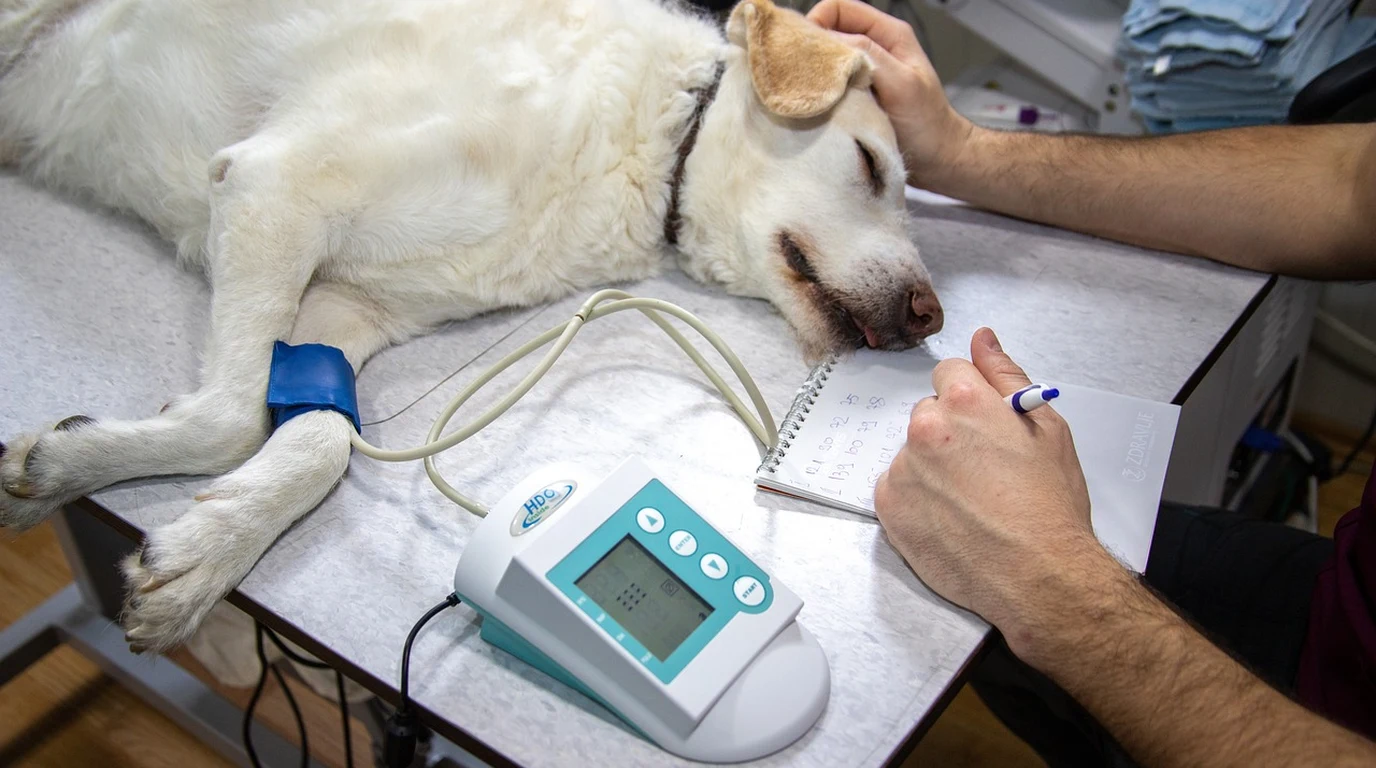
For loving dog owners, receiving a multi-page veterinary laboratory report packed with three-letter acronyms, reference ranges, and red asterisk flags can be an overwhelming and anxiety-inducing experience. When a veterinarian recommends annual senior screening, pre-anesthetic testing, or diagnostic bloodwork for an ailing pet, they are seeking a quantitative microscopic window into your dog’s cellular physiology. Because canines are evolutionary masters at concealing pain, weakness, and discomfort, routine blood testing represents the single most powerful tool in early disease detection—frequently identifying organ dysfunction months before external clinical symptoms manifest.
A comprehensive routine canine diagnostic blood panel consists of two distinct yet complementary laboratory investigations: the Complete Blood Count (CBC), which evaluates circulating cellular components, and the Serum Chemistry Profile, which measures organ enzymes, electrolytes, and metabolic proteins. Demystifying these laboratory markers empowers pet parents to become informed advocates during veterinary consultations and catch degenerative conditions during treatable, early-stage windows.
What Does Routine Dog Blood Work Check?
Routine canine blood work combines a Complete Blood Count (CBC) and a Serum Chemistry Panel. The CBC analyzes red cells, white cells, and platelets for anemia, infection, and clotting competence, while the chemistry panel quantifies liver enzymes (ALT, ALP), kidney filtration markers (BUN, creatinine, SDMA), electrolytes, and blood glucose.
Interpreting canine bloodwork requires viewing values as dynamic trends rather than isolated numbers. A value sitting just inside the upper reference limit may appear “normal” on paper, but if that marker was at the lower boundary twelve months prior, the trajectory signals evolving metabolic change. Establishing an annual baseline blood panel starting at age 6 or 7 provides your veterinary team with your individual dog’s normal biological benchmark.
Part 1: The Complete Blood Count (CBC) Breakdown
The Complete Blood Count measures the cellular elements suspended in blood plasma. Here is how to interpret its core parameters:
- Hematocrit (HCT) & Red Blood Cells (RBC): HCT measures the percentage of whole blood volume occupied by red blood cells. Normal canine HCT ranges from 37% to 55%. Low HCT and RBC indicate anemia—which may stem from chronic kidney disease (lack of erythropoietin), gastrointestinal bleeding (ulcers or parasites), immune-mediated hemolytic anemia (IMHA), or splenic masses. High HCT often indicates dehydration or polycythemia.
- White Blood Cell Count (WBC) & Differential: Total WBC reflects the active immune system. The differential breaks this down into specialized immune cells:
- Neutrophils: Primary defenders against bacterial infections. High neutrophils indicate acute infection or systemic inflammation; low counts suggest bone marrow exhaustion or severe sepsis.
- Lymphocytes: Viral defense and antibody production. Elevated during viral challenge or chronic leukemia; suppressed by high physiological cortisol (stress leukogram).
- Eosinophils: Specialized white cells that elevate in response to allergic hypersensitivity or parasitic infections.
- Monocytes: Phagocytic cells that clear cellular debris; elevated in chronic ongoing inflammatory processes.
- Platelets (PLT): Platelets are essential for blood clotting. A normal canine platelet count exceeds 150,000/μL. Severe thrombocytopenia (<50,000/μL) carries a high risk of spontaneous hemorrhage, petechiae (pinpoint skin bruising), or epistaxis (nosebleeds), frequently triggered by tick-borne pathogens (Ehrlichia, Anaplasma) or immune-mediated destruction.
Part 2: The Serum Chemistry Profile (Organ Filtration & Enzymes)
| Biomarker | Primary Organ System | Clinical Reference Meaning | What High / Low Values Signal |
|---|---|---|---|
| ALT (Alanine Aminotransferase) | Liver (Hepatocellular) | Intracellular leakage enzyme | High: Acute liver cell injury, toxins, hepatitis, trauma |
| ALP (Alkaline Phosphatase) | Biliary Tree / Bone / Cortisol | Bile duct or steroid-induced enzyme | High: Cholestasis, gallbladder mucocele, Cushing’s, bone growth |
| BUN (Blood Urea Nitrogen) | Kidneys & Protein Metabolism | Nitrogenous waste product | High: Renal dysfunction, dehydration, GI bleed, high protein diet |
| Creatinine (CREA) | Kidney Glomerular Filtration | Muscle breakdown excretion marker | High: Significant renal nephron loss (elevates after 75% damage) |
| SDMA (Symmetric Dimethylarginine) | Early Renal Biomarker | Early GFR clearance indicator | High: Early kidney decline (flags loss at 25–40% nephron damage) |
| Albumin (ALB) | Liver Synthesis & Gut/Kidney | Primary oncotic plasma protein | Low: Protein-losing nephropathy (PLN), enteropathy (PLE), liver failure |
| Blood Glucose (GLU) | Pancreas (Endocrine) | Circulating cellular energy fuel | High: Canine diabetes mellitus; Low: Insulinoma, puppy hypoglycemia, sepsis |
The Critical SDMA vs Creatinine Kidney Window
In senior canine healthcare, the modern addition of SDMA (Symmetric Dimethylarginine) has revolutionized geriatric longevity. Traditional serum creatinine is heavily influenced by lean muscle mass; an elderly dog suffering from age-related sarcopenia (muscle loss) will have falsely depressed creatinine levels, masking severe kidney decline. Even worse, creatinine does not rise outside normal reference ranges until approximately 75% of functional nephrons have been permanently destroyed.
SDMA is an amino acid derivative cleared almost exclusively via renal glomerular filtration that is completely independent of muscle mass. It rises reliably when as little as 25% to 40% of kidney function is impaired, providing veterinary teams with a 12-to-18-month diagnostic window to intervene with renal-sparing diets, hydration therapy, phosphorus binders, and blood pressure monitoring before irreversible IRIS Stage 3 or 4 renal failure takes hold.
Actionable Pre-Test Protocol: Ensuring Accurate Results
To avoid false positives and redundant blood draws, prepare your dog properly before arriving at the veterinary clinic:
- Enforce a Strict 12-Hour Fast: Unless your dog is a diabetic on insulin or a pediatric puppy under 4 months old, withhold food for 10 to 12 hours prior to testing. Postprandial lipemia (fat droplets circulating in blood after eating) turns serum milky and interferes with optical laboratory analyzers, falsely elevating liver enzymes and bilirubin.
- Never Restrict Water: Dehydration concentrates red blood cells and falsely elevates BUN, hematocrit, and total protein (prerenal azotemia). Ensure your dog has unlimited access to clean, fresh water right up to the clinic appointment.
- Minimize Stress & High-Intensity Exertion: Intense sprinting or severe clinic distress releases catecholamines (adrenaline) and cortisol. This triggers splenic contraction, causing sudden temporary spikes in red blood cells, neutrophils, and blood glucose (stress hyperglycemia). Keep arrival calm and relaxed.
If your dog’s blood panel reveals elevated hepatic values, understand the exact staging steps in our clinical breakdown on High Liver Enzymes in Dogs: ALT & ALP Explained.
Frequently Asked Questions
How often should a senior dog have blood work done?
Dogs aged 7 and older (or giant breeds aged 5 and older) should undergo complete blood counts and chemistry profiles every 6 to 12 months. Bi-annual testing allows veterinarians to track subtle multi-year biomarker drift before clinical symptoms appear.
What causes high liver enzymes on a routine blood test?
Elevated ALT and ALP can stem from benign age-related changes, medication side effects (NSAIDs, antibiotics, phenobarbital), dental infections, endocrine disorders (Cushing’s disease), gallbladder sludge, or primary hepatitis. Secondary testing like bile acids or ultrasound confirms the diagnosis.
Does a high BUN always mean kidney disease in dogs?
No. While high BUN can signal decreased renal filtration, it is also elevated by simple dehydration (prerenal azotemia), high-protein diets, or upper gastrointestinal bleeding where digested blood proteins enter the bloodstream.
A complete urinalysis must always be evaluated alongside comprehensive serum biochemistry. Read our complete guide to Dog Urinalysis & UPC Ratio: Early Kidney Signs.