
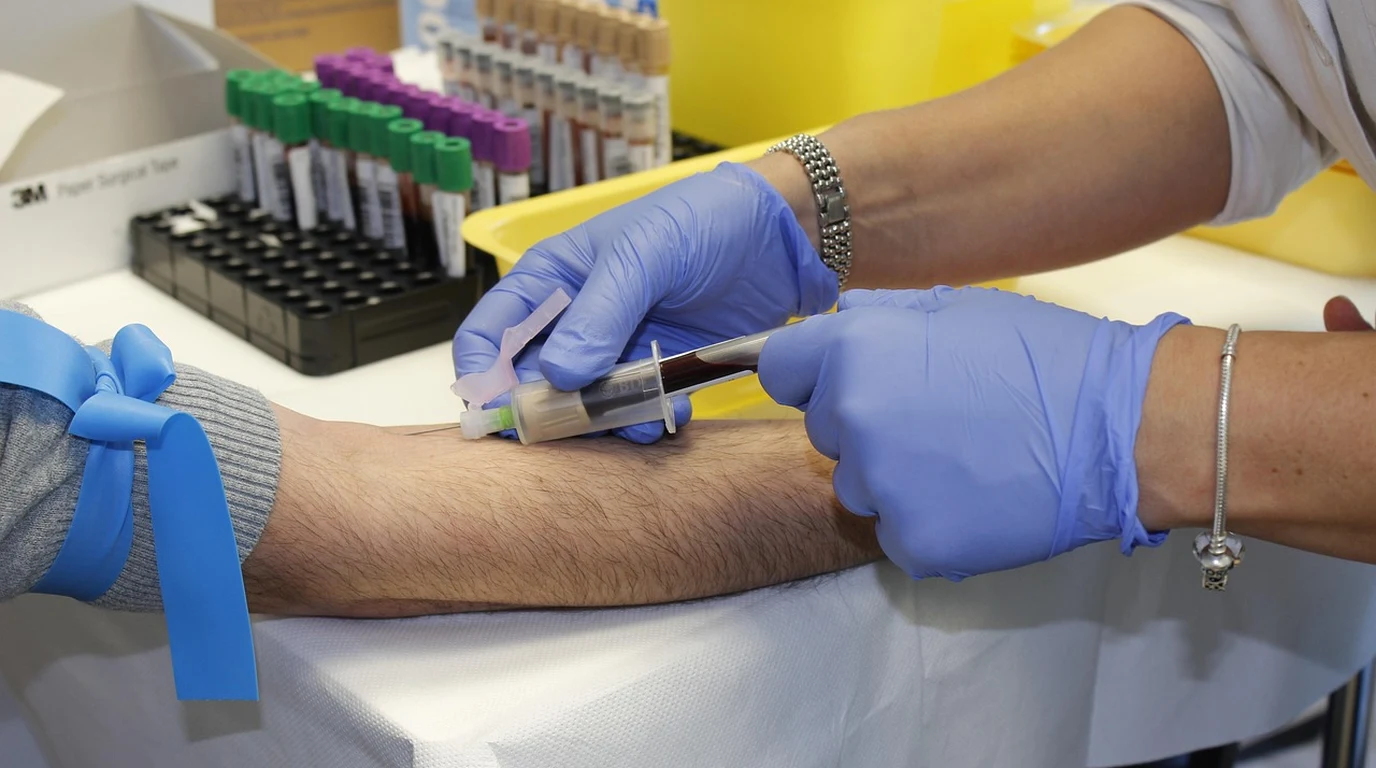
In veterinary internal medicine, chronic kidney disease (CKD) represents one of the most insidious and irreversible degenerative pathologies affecting aging dogs. Historically, general practice veterinarians relied almost exclusively on two serum biochemical markers to assess renal filtration performance: Blood Urea Nitrogen (BUN) and Serum Creatinine. However, relying on traditional creatinine chemistry creates a tragic clinical lag. Because the canine kidney possesses immense functional reserve, serum creatinine levels remain completely normal until an catastrophic 75% of total nephron mass is permanently destroyed. By the time a routine geriatric blood panel reveals elevated creatinine (surpassing 1.4 to 1.8 mg/dL), the dog is already locked into advanced IRIS Stage 2 or Stage 3 renal failure, severely curtailing therapeutic intervention windows. To eradicate this clinical blind spot, veterinary nephrology introduced Symmetric Dimethylarginine (SDMA). Released into the bloodstream during normal cellular protein turnover and excreted almost entirely via glomerular filtration, SDMA serves as a precision biomarker that detects nephron decline months or years before creatinine moves. Here is Julian Hayes’s forensic biochemical guide to SDMA versus creatinine, IRIS staging thresholds, muscle-mass confounding variables, and clinical protocols to protect canine kidney healthspan.
How Does SDMA Detect Kidney Disease Earlier Than Creatinine?
The biological divergence between these two biomarkers lies in their endogenous synthesis pathways. Creatinine is a metabolic byproduct of muscle creatine phosphate breakdown. Consequently, circulating creatinine concentrations are directly proportional to a dog’s total lean skeletal muscle mass. A heavily muscled, athletic young Rottweiler naturally maintains higher baseline creatinine than a frail, sarcopenic 13-year-old Whippet—even if the Whippet has severe underlying renal disease.
SDMA, by contrast, is a methylated arginine amino acid produced continuously by all nucleated cells in the canine body. It is synthesized during post-translational methylation of intranuclear proteins and cleared virtually 100% by glomerular filtration rate (GFR). Because its synthesis rate is constant and independent of muscularity, diet, or acute exercise, serum SDMA serves as an uncompromised biological mirror of real-time glomerular filtration efficiency.
Biochemical Comparison Matrix: SDMA vs Serum Creatinine
To understand the diagnostic nuances across canine renal testing, review this comparative clinical matrix:
| Biomarker Dimension | Symmetric Dimethylarginine (SDMA) | Serum Creatinine | Clinical Longevity Consequence |
|---|---|---|---|
| Detection Sensitivity | Elevates at 25%–40% loss of GFR | Elevates only after 75% nephron loss | SDMA provides a 9 to 17 month diagnostic head start |
| Muscle Mass Dependency | Zero dependency (Unaffected by muscle wasting) | Heavily dependent on lean skeletal mass | Creatinine produces dangerous false-negatives in senior dogs |
| Normal Reference Range | 0 to 14 µg/dL | 0.5 to 1.4 mg/dL (Lab specific) | SDMA values >14 µg/dL mandate immediate staging |
| Post-Prandial Food Impact | Minimal (Unaffected by high-protein meals) | Elevates transiently after cooked meat ingestion | SDMA avoids false positives from recent raw/meat feeding |
| IRIS Guideline Staging Role | Primary modifier for early Stage 1 & Stage 2 | Primary historical staging metric | Persistent SDMA >14 µg/dL reclassifies Stage 1 to Stage 2 |
Understanding International Renal Interest Society (IRIS) Staging
The International Renal Interest Society (IRIS) establishes universal evidence-based guidelines for staging canine chronic kidney disease. Incorporating SDMA into the IRIS staging algorithm has revolutionized early intervention:
- IRIS Stage 1 (Non-Azotemic Renal Disease): Serum Creatinine <1.4 mg/dL, but SDMA is persistently between 15 and 17 µg/dL. The dog exhibits zero outward clinical symptoms (no vomiting, normal appetite), but underlying glomerular injury is actively progressing. Testing will reveal poor urine specific gravity (<1.030) or persistent renal proteinuria.
- IRIS Stage 2 (Mild Renal Azotemia): Serum Creatinine between 1.4 and 2.8 mg/dL, with SDMA persistently between 18 and 25 µg/dL. Mild clinical symptoms may emerge (subtle increases in water consumption and urination frequency). Nephron reserve is severely depleted.
- IRIS Stage 3 (Moderate Azotemia): Serum Creatinine between 2.9 and 5.0 mg/dL, SDMA between 26 and 45 µg/dL. Systemic clinical signs manifest (nausea, lethargy, selective appetite, weight loss).
- IRIS Stage 4 (Severe End-Stage Azotemia): Serum Creatinine >5.0 mg/dL, SDMA >45 µg/dL. Uremic crisis requiring continuous subcutaneous fluid therapy and intensive pharmacological stabilization.
The Unbreakable Diagnostic Triad: SDMA, USG, and UPC Ratio
An elevated SDMA reading should never be interpreted as an isolated death sentence. SDMA measures functional filtration rate, which can be temporarily depressed by acute dehydration, systemic infection, tick-borne diseases (Lyme/Ehrlichia), or urinary tract obstructions. To confirm true chronic kidney disease, veterinarians must execute the Urinalysis Triad:
- Urine Specific Gravity (USG): Evaluated via a calibrated optical refractometer. A healthy dog’s kidneys concentrate urine above 1.030 (often 1.035 to 1.050). If a dog exhibits an elevated SDMA alongside a fixed, dilute USG between 1.008 and 1.018 (isosthenuria), the kidneys have lost their physiological capacity to concentrate urine, confirming structural nephron damage.
- Urine Protein-to-Creatinine (UPC) Ratio: Protein should never spill across the glomerular filtration barrier. A UPC ratio <0.2 is normal; 0.2 to 0.5 is borderline; and >0.5 indicates significant glomerular proteinuria, which directly accelerates kidney scarring.
- Systemic Arterial Blood Pressure: Renal disease and systemic hypertension operate in a destructive feedback loop. Blood pressure exceeding 160 mmHg forces high-pressure blood into fragile glomerular capillary beds, blowing out nephrons and hastening disease progression.
Julian Hayes’s Step-by-Step Early Renal Intervention Protocol
If your dog’s annual wellness screen shows an SDMA between 15 and 20 µg/dL, do not panic and do not starve your dog of protein. Implement this evidence-based longevity protocol:
Clinical Checklist for Early Renal Preservation
- Re-Test in 30 Days to Confirm Persistence: Rule out transient pre-renal causes. Rehydrate the dog, address any oral dental disease or subclinical urinary tract infections, and re-test SDMA, Creatinine, and USG in 30 days to confirm the elevation is persistent.
- Optimize Hydration Architecture: Eliminate dry kibble. Transition to moisture-dense fresh, gently cooked, or raw diets with 75%+ natural moisture content. Add bone broth or filtered water fountains to encourage voluntary fluid intake.
- Restrict Dietary Phosphorus, NOT High-Quality Protein: In Stage 1 and early Stage 2, severe protein restriction causes muscle wasting and accelerates mortality. The true nephrotoxic culprit is Phosphorus. Transition to low-phosphorus diets (targeting <1.0 g phosphorus per 1,000 kcal). Eliminate bone meal, high-phosphorus organ meats, and artificial phosphate preservatives.
- Introduce High-Dose Marine Omega-3 (EPA/DHA): Clinical trials demonstrate that high concentrations of eicosapentaenoic acid (EPA) and docosahexaenoic acid (DHA) reduce glomerular capillary pressure, suppress renal inflammation, and diminish proteinuria. Dose high-purity fish oil at 100 to 150 mg combined EPA/DHA per kilogram of body weight daily.
Targeted clinical nutrition acts as the primary defense against systemic organ inflammation and disease. For breed-specific health vulnerabilities, review our deep dive on Canine Pancreatitis Diet: Low-Fat Food Protocols.
Feeding biomechanics and anatomical risks are especially critical in deep-chested and giant breeds. For healthspan strategies in large canines, see our analysis on Elevated Dog Bowls: Bloat Risk vs Spine Ergonomics.