
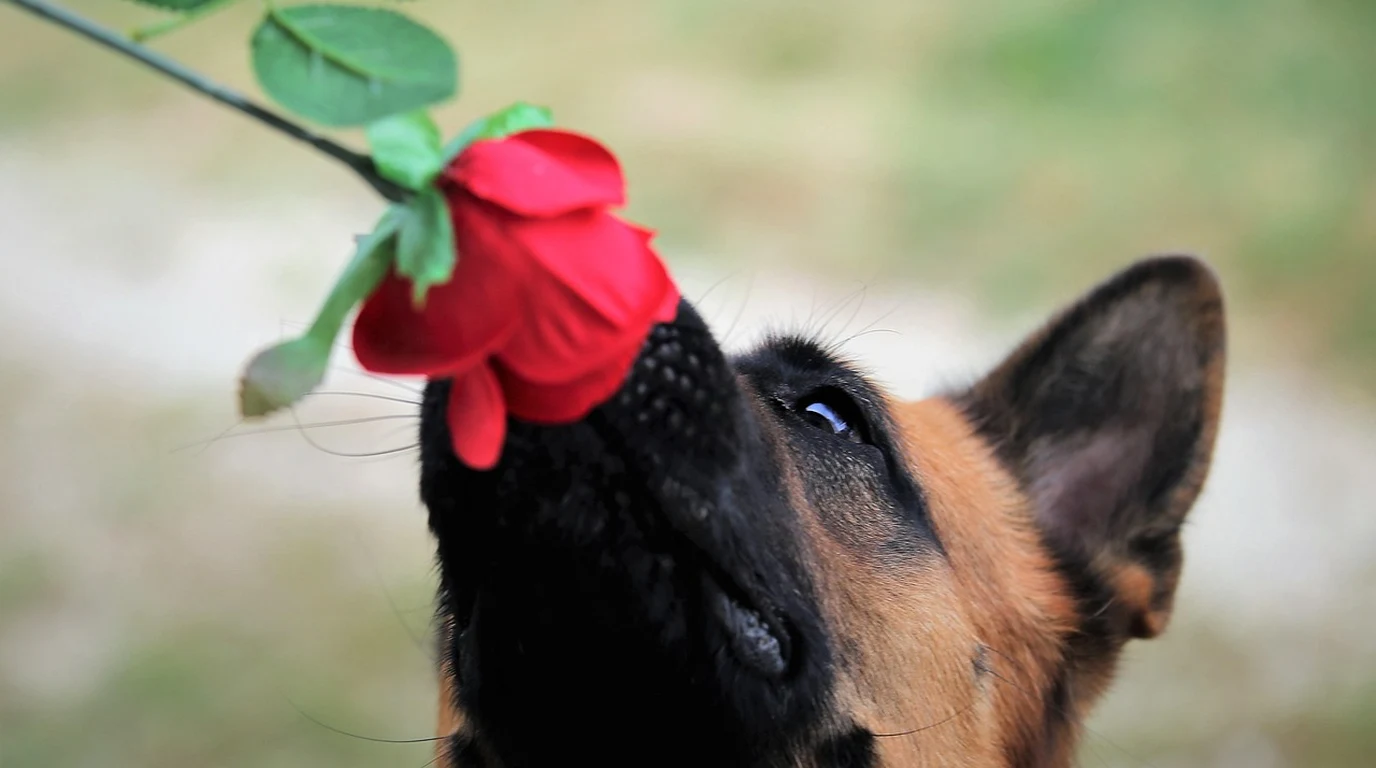
Watching a cherished senior dog drift into the disorienting fog of cognitive decline is one of the most heartbreaking experiences in canine companionship. It often begins with subtle shifts: your dog gets “stuck” behind an open bedroom door, stares blankly into the corner of the dining room, paces restlessly at 2:00 AM, or looks directly at you with a fleeting moment of confusion about where they are. In veterinary medicine, this neurodegenerative condition is diagnosed as Canine Cognitive Dysfunction Syndrome (CCDS), often described as canine Alzheimer’s disease. As beta-amyloid plaques accumulate in the cerebral cortex and hippocampal neurons suffer oxidative damage, traditional obedience commands and physical play become stressful or impossible. However, there is an extraordinary neurological sanctuary that remains remarkably resilient even in advanced age: the canine olfactory system. Engaging an aging dog in structured, low-impact Canine Scent Work does not merely occupy their afternoon; it taps into their brain’s most primitive and powerful sensory network, stimulating neurogenesis in the olfactory bulb, flooding neural pathways with dopamine and serotonin, and dramatically calming systemic anxiety. Here is Julian Hayes’s forensic scientific guide to scent work for senior dogs with dementia, olfactory neuroplasticity, sensory enrichment architecture, and step-by-step home scent games to restore joy, confidence, and cognitive clarity to your aging dog.
How Does Scent Work Stimulate Brain Neuroplasticity in Dogs with Dementia?
To grasp why scent work is the ultimate therapeutic modality for canine cognitive decline, one must appreciate the sheer anatomical magnificence of the canine nose. A domestic dog possesses up to 300 million olfactory receptor cells inside its nasal cavity, compared to a meager 6 million in a human. Furthermore, the canine olfactory bulb—the dedicated cerebral structure that processes scent information—is proportionally forty times larger than the corresponding structure in the human brain.
In mammals, sensory input from the eyes, ears, and skin must first travel through the thalamus, which acts as a sensory routing switchboard, before reaching higher cortical processing centers. In Canine Cognitive Dysfunction, extensive cortical atrophy and vascular micro-infarcts disrupt these thalamocortical pathways, causing confusing sensory overload. Olfaction is the singular, profound evolutionary exception: olfactory receptor axons bypass the thalamus entirely, projecting directly into the primary olfactory cortex, the amygdala, and the entorhinal-hippocampal formation.
The hippocampus is the cerebral master command center for episodic memory, spatial navigation, and learning. When a senior dog engages in active sniffing, the hippocampal circuit lights up with electrochemical activity. This sensory stimulation activates Brain-Derived Neurotrophic Factor (BDNF), a master growth factor that promotes dendritic arborization, shields surviving neurons from beta-amyloid toxicity, and encourages the survival of newborn neurons generated in the subventricular zone. For a dog struggling with memory loss, scent work serves as cognitive physical therapy.
Cognitive Enrichment Comparison Matrix for Senior Dogs
Senior dogs with cognitive dysfunction cannot tolerate high-arousal or high-impact activities. Evaluate how structured scent work compares to other common canine enrichment modalities:
| Enrichment Modality | Neurological Impact | Physical Joint Strain | Dementia Pacing Relief | Sensory Disability Adaptability |
|---|---|---|---|---|
| Structured Scent Work | Direct hippocampal stimulation; boosts dopamine & BDNF | Zero to minimal (Stationary or slow searching) | Superior (Induces deep parasympathetic relaxation) | 100% accessible to completely blind and deaf dogs |
| Rigid Puzzle Toys / Sliders | Requires complex problem-solving; high frustration risk | Moderate (Pawing, pushing, neck bending) | Low (Can elevate cortisol if dog cannot solve) | Poor (Requires fine motor skills and vision) |
| Traditional Obedience Drills | Relies on verbal recall and short-term working memory | Moderate (Repetitive sit, down, stay transitions) | Minimal (May induce stress if dog forgets cues) | Poor in deaf or sensory-impaired seniors |
| Brisk Physical Neighborhood Walks | Cardiovascular stimulation; sensory overload risk | High (Concussive impact on arthritic joints) | Moderate (Can cause physical fatigue without mental calm) | Moderate (Disorienting if dog has vision deficits) |
Eradicating Sundowning: Scent Work as a Circadian Neurochemical Reset
One of the most exhausting clinical symptoms of Canine Cognitive Dysfunction is Sundowning. As dusk falls, affected senior dogs experience sudden spikes in acute anxiety, repetitive vocalization, frantic hallway pacing, and inability to settle down to sleep. This phenomenon stems from the degeneration of the suprachiasmatic nucleus (SCN) in the hypothalamus, which governs circadian melatonin and cortisol rhythms.
When an aging dog paces incessantly at night, their nervous system is locked in an adrenergic sympathetic loop. Physically restraining the dog or scolding them escalates terror. Scent work provides an elegant neurochemical intervention: the mechanical act of rhythmic sniffing (drawing air rapidly into the nasal cavity at 5 to 7 Hertz) stimulates the vagus nerve and activates the parasympathetic nervous system. Simultaneously, discovering a hidden target scent triggers a pulse of dopamine in the nucleus accumbens, replacing anxious confusion with a profound sensation of agency, reward, and safety.
Pairing evening scent sessions with long-line outdoor decompression creates an unshakeable foundation for emotional balance. Read our foundational behavioral framework in Dog Decompression Walks: Long-Line Leash Cortisol Reset to master parasympathetic regulation across your dog’s daily routine.
Julian Hayes’s Step-by-Step Senior Scent Work Protocol
You do not need formal competition scent detection kits to transform your senior dog’s mental health. Follow this gentle, highly rewarding four-step protocol designed specifically for aging canines with sensory or cognitive deficits:
The Gentle Nosework Protocol for Cognitive Vitality
- Select High-Odor, Aromatic Target Rewards: Senior dogs with cognitive dysfunction often experience partial olfactory dulling. Avoid bland dry biscuits. Use strongly scented, irresistible whole-food treats: warm dehydrated beef liver, tiny cubes of sharp aged cheddar cheese, or lightly warmed sardines packed in water. The pungent scent plume must be instantly detectable without effort.
- The Three-Box Search Foundation: Place three small, open cardboard shoe boxes on a non-slip rug or yoga mat (never on slippery hardwood where senior dogs might slide). While your dog watches, drop a piece of beef liver into one box, leaving the other two empty. Release your dog with a gentle verbal cue (“Find it!”). The moment their nose enters the correct box, celebrate enthusiastically and let them eat the prize. Repeat 3 to 5 times. This builds immediate, foolproof success and ignites search drive.
- The Living Room Scent Scatter: Once your dog understands the game, place them in another room for 60 seconds. Scatter 5 or 6 fragrant treats around the living room at ground level—under the fringe of a low rug, behind a chair leg, or inside an open cardboard tube. Bring your dog into the room and invite them to search. Searching at ground level encourages a lowered head posture, which stretches spinal epaxial muscles and reinforces parasympathetic vagal stimulation.
- The Muffin Tin Brain Gym: Place a 12-cup metal or silicone muffin tin on the floor. Drop high-value treats into 4 of the cups, then place standard lightweight tennis balls over all 12 cups. Your dog must use their nose to pinpoint which cups hold food, then nudge the tennis balls aside to claim their reward. This provides gentle tactile feedback and sensory discrimination without physical exhaustion.
- Dosing Duration and Timing (The Golden 10-Minute Rule): Olfactory receptors undergo rapid sensory adaptation (receptor fatigue) after prolonged stimulation. Never force a senior dog with dementia into long, frustrating search sessions. Limit scent work to 8 to 10 minutes maximum, ideally conducted at 4:30 PM to 5:30 PM—just before sundowning anxiety begins. That 10-minute session provides the equivalent cognitive satisfaction of a two-hour hike, ushering your senior dog into a deep, restorative evening slumber.
Cellular hydration directly supports cognitive alertness and brain health. Explore mental stimulation therapies in our guide on Canine Dehydration Signs: Skin Turgor & CRT Test.