
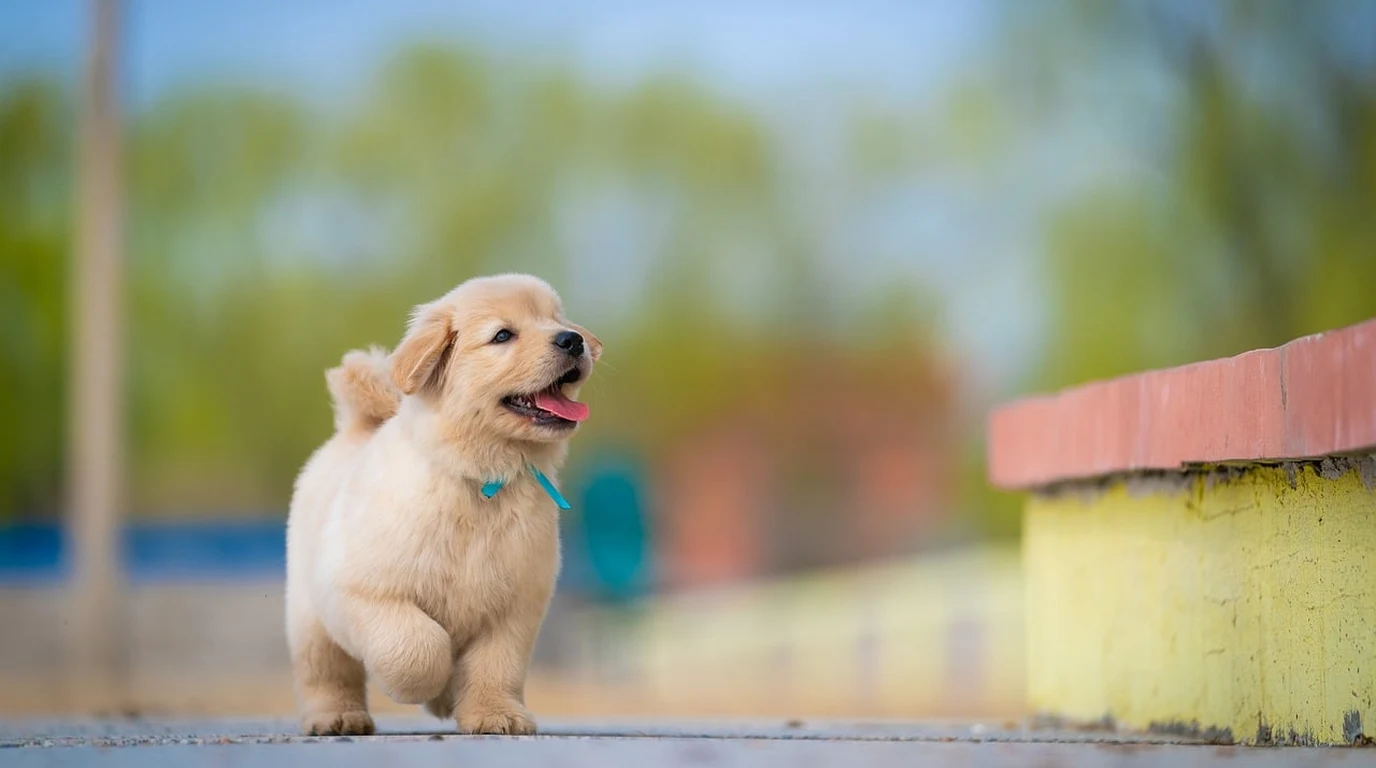
In modern suburban and urban pet parenting, the daily dog walk has been transformed into a rigid, highly regimented human exercise routine. Handlers clip their dogs to short, four-foot nylon leashes, march at a brisk human pace along concrete sidewalks, and continually correct their dogs with sharp leash pops whenever they pause to sniff a fire hydrant, tree trunk, or patch of grass. For the canine domestic companion—whose sensory world and cognitive architecture are governed overwhelmingly by an olfactory system containing over 300 million sensory scent receptors—this human-centric walking style is an agonizing sensory deprivation experience. Restricted to a short tether, forced to maintain constant eye contact with approaching unfamiliar dogs, and denied the biological freedom to explore, dogs accumulate chronic psychological frustration and physiological stress. Over weeks and months, this chronic tension manifests as leash reactivity, barking, barrier frustration, destructive indoor behavior, and generalized anxiety. The evidence-based behavioral antidote developed by modern veterinary behaviorists is the Decompression Walk. Conducted on a 15-to-30-foot biothane long line in expansive natural environments, decompression walks allow the dog to dictate pace, direction, and olfactory investigation, triggering profound autonomic nervous system regulation and resetting elevated cortisol levels. Here is Julian Hayes’s scientific guide to dog decompression walks, the neurobiology of olfactory engagement, long-line leash handling mechanics, and the step-by-step framework to alleviate canine chronic stress.
What Is a Decompression Walk and Why Is It Necessary?
The term “Decompression Walk” was pioneered by canine behaviorist Sarah Stremming to describe a therapeutic environmental intervention for dogs suffering from systemic chronic stress, reactivity, and sensory overwhelm. In our human-engineered suburban landscapes, dogs are subjected to an unrelenting barrage of unnatural stressors: noisy construction equipment, loud sirens, passing delivery trucks, and high-density encounters with unfamiliar dogs on narrow sidewalks.
Whenever a dog encounters a stressful stimulus, their hypothalamic-pituitary-adrenal (HPA) axis activates, flooding their bloodstream with adrenaline and cortisol. While acute cortisol spikes are adaptive for survival, chronic baseline cortisol elevation compromises immune function, disrupts gut microbiome homeostasis, impairs memory formation, and lowers the dog’s reactivity threshold—making them react aggressively to minor everyday triggers. Decompression walks actively flush circulating cortisol by stimulating the parasympathetic nervous system.
Neurobiological Comparison: Standard Heel Walk vs Dog Park vs Decompression Walk
To evaluate how different exercise environments impact canine physiology and behavior, compare these three paradigms:
| Walking / Exercise Modality | Autonomic Nervous System State | Cortisol & Adrenaline Response | Cognitive / Olfactory Engagement | Post-Walk Behavioral Outcome |
|---|---|---|---|---|
| Rigid Sidewalk Heel Walk | Sympathetic Arousal (Fight-or-Flight) | Elevated (Frustration from movement restriction) | Minimal (Sniffing continually interrupted) | Restless, on-edge, hyper-vigilant pacing at home |
| Commercial Dog Park Chaos | Extreme Sympathetic Hyper-Arousal | Surges (Frenetic chase and play dynamics) | Low (Social posturing and chase mechanics) | Physically exhausted but mentally overstimulated |
| Nature Decompression Walk | Parasympathetic Regulation (Rest-and-Digest) | Steadily Declines to Baseline (Cortisol reset) | Maximal (Deep olfactory seeking and foraging) | Deep restorative sleep; calm and contented home behavior |
The Neurobiology of Sniffing: Olfactory Activation and Brain Chemistry
When a dog engages in deep olfactory investigation—sniffing foliage, tree bases, animal trails, or earth—a profound physiological transformation occurs. Canine heart rates measurably decrease, respiration deepens, and the canine brain releases a cascade of endorphins and dopamine.
The canine olfactory bulb comprises nearly 10% of total brain volume (compared to less than 1% in humans). Processing complex environmental scents requires immense neurological computing power. When a dog is permitted to spend three minutes thoroughly analyzing a patch of tall prairie grass where a rabbit passed hours earlier, they are engaging in intense cognitive problem-solving. This autonomous sensory investigation satisfies their biological seeking circuitry (governed by the mammalian SEEKING system identified by neuroscientist Dr. Jaak Panksepp), providing natural, gentle cognitive fatigue without physical joint concussion.
Essential Equipment Architecture: The Long Line and Y-Harness
Executing a safe, effective decompression walk requires specialized equipment design:
- 15-to-30-Foot Biothane Long Line: Never use retractable tape flexi-leashes. Retractable leashes maintain continuous spring tension on the dog’s neck, teaching them that pulling is necessary to move forward, while presenting severe finger laceration risks. A waterproof, smell-proof Biothane long line glides effortlessly over roots, rocks, and mud without snagging, providing a physical buffer that mimics off-leash freedom while maintaining 100% legal control.
- Y-Front Ergonomic Chest Harness: Never clip a long line to a flat collar, martingale, or prong collar. If a dog accelerates and hits the end of a 20-foot line on a neck collar, the severe cervical traction can cause tracheal collapse, cervical disc herniation, or ocular pressure spikes. A properly fitted Y-front harness (such as the Ruffwear Front Range or Blue-9 Balance Harness) distributes deceleration forces evenly across the skeletal sternum, leaving shoulder blades completely free to articulate naturally.
Julian Hayes’s Step-by-Step Decompression Walk Protocol
Actionable Protocol for Decompression Walks
- Scout Low-Density Nature Locations: Identify quiet, rural, or semi-wild locations: conservation areas during weekday mornings, farm trails, cemetery grounds that permit dogs, open school soccer fields at sunrise, or unpaved forest service roads.
- Attach the Long Line to the Back Harness Clip: Clip the long line to the dorsal (back) ring of the Y-harness. Hold the excess line looped in your hands like a marine sailing rope, allowing line to feed out and gather back smoothly as the dog moves.
- Silence All Verbal Obedience Commands: Decompression walks require shutting off your human voice. Do not command ‘Heel’, ‘Sit’, ‘Leave it’, or ‘Look at me’. Let the dog make autonomous decisions. If the dog wants to pause for two minutes to sniff a decaying log, stand quietly and wait.
- Observe the Autonomic Shift: Watch for behavioral signs of parasympathetic regulation: deep full-body “shake-offs,” voluntary yawning, relaxed hanging tail carriages, and loose, soft facial muscles.
Managing renal hypertension requires stabilizing the autonomic nervous system. Discover how long-line walks reduce systemic vascular resistance in our report on Canine Kidney Disease IRIS Staging: SDMA Bloodwork Guide.
Sensory stimulation through smell directly regulates parasympathetic tone and lowers stress markers. Deepen your understanding of sensory recovery in our guide to Canine Scent Work for Dementia: Cognitive Enrichment.