
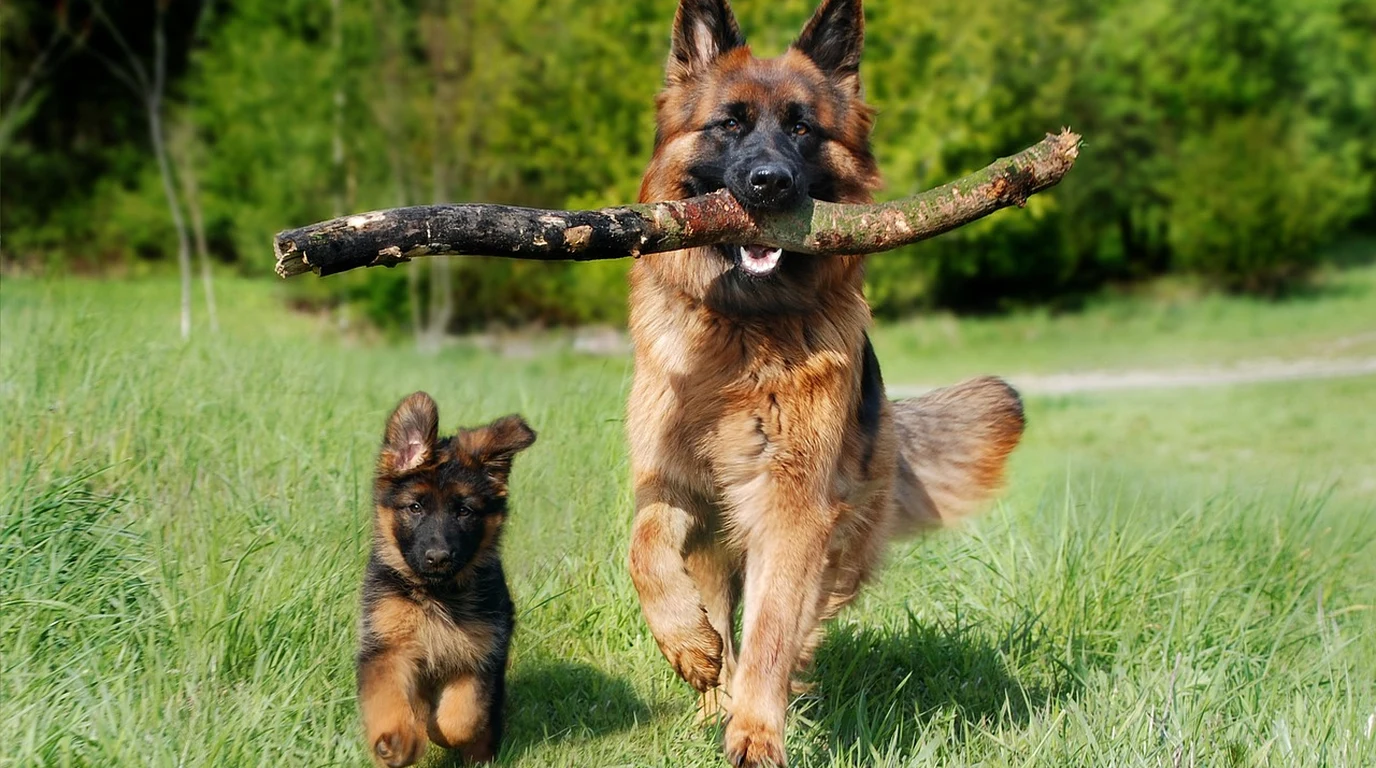
For owners of German Shepherd Dogs, few diagnoses carry greater emotional heartbreak than Degenerative Myelopathy (DM). Often described by veterinary neurologists as the canine equivalent of Amyotrophic Lateral Sclerosis (ALS or Lou Gehrig’s Disease) in humans, DM is a fatal, progressive neurodegenerative disorder of the spinal cord. Between the ages of 8 and 11, an otherwise vibrant, loyal German Shepherd begins exhibiting subtle asymmetric ataxia: knuckles scraping during turns, worn central toenails on the hind paws, a swaying pelvic gait, and delayed proprioceptive paw-knuckling reflexes. Over the subsequent 6 to 18 months, progressive axonal demyelination ascends through the thoracic and cervical spinal cord, transitioning from hind-limb paraplegia to complete quadriparesis and respiratory muscle failure. The tragedy of DM is magnified by widespread diagnostic confusion—general practice veterinarians routinely misdiagnose early DM as simple canine hip dysplasia or lumbosacral stenosis (cauda equina syndrome), prescribing anti-inflammatory NSAIDs and joint supplements that have zero biological impact on motor neuron degeneration. Here is Julian Hayes’s forensic genetic and neurological guide to German Shepherd Degenerative Myelopathy, the SOD1 gene mutation, DNA testing accuracy, clinical physical therapy protocols, and how to preserve dignity and mobility throughout the disease trajectory.
What Causes Degenerative Myelopathy and How Does the SOD1 Test Work?
The cellular biology of DM centers on the enzyme superoxide dismutase. Under normal physiological conditions, SOD1 functions as a vital free-radical scavenger, neutralizing toxic superoxide anions generated during mitochondrial ATP production. When the c.118G>A point mutation is present, the resulting mutated protein undergoes conformational misfolding, forming insoluble intracellular neurotoxic aggregates that destroy myelin sheaths and interrupt nerve transmission along the spinal cord.
The commercial DNA test (developed by the University of Missouri and licensed through the Orthopedic Foundation for Animals) analyzes buccal swab or EDTA blood samples to classify canines into three genetic categories:
- Clear / Normal (N/N): The dog carries two copies of the normal SOD1 gene. The dog will not develop DM and cannot pass the mutation to offspring.
- Carrier (N/A): The dog carries one normal gene and one mutated gene. The dog will virtually never exhibit clinical symptoms but carries a 50% chance of transmitting the mutation to offspring.
- At Risk (A/A): The dog carries two copies of the mutated gene. The dog is at high risk of developing clinical Degenerative Myelopathy in middle to senior age. However, because DM exhibits incomplete penetrance and requires secondary epigenetic or environmental modifiers, not all A/A dogs will develop active disease.
Clinical Differential Matrix: Degenerative Myelopathy vs Hip Dysplasia vs IVDD
Because hind-end weakness in German Shepherds is routinely misdiagnosed, examine these distinct clinical markers:
| Diagnostic Dimension | Degenerative Myelopathy (DM) | Canine Hip Dysplasia (CHD) | Intervertebral Disc Disease (IVDD) |
|---|---|---|---|
| Pain Manifestation | Completely Painless (Zero spinal tenderness) | Painful (Stiff on rising; painful hip extension) | Severe Acute Pain (Hunched back; muscle spasms) |
| Conscious Proprioception | Severely Delayed (Paw knuckling test fails) | Normal (Instantly rights paw when flipped) | Delayed or Absent in acute herniation |
| Response to NSAIDs / Steroids | Zero clinical improvement | Marked reduction in stiffness & pain | Pain relief, but requires surgical decompression |
| Onset and Progression | Insidious, slow progression over 6–18 months | Fluctuating; worsens with cold or heavy exercise | Sudden, hyper-acute onset within hours |
The Power of Intensive Physical Rehabilitation
While pharmacological medicine has yet to discover a curative drug for DM, comprehensive clinical research published in the Journal of Veterinary Internal Medicine demonstrates that intensive physical therapy fundamentally changes the survival curve.
In a landmark prospective study comparing dogs with DM who received intensive physical therapy versus those with limited or no therapy, dogs receiving structured physiotherapy survived an average of 255 days (8.5 months) with maintained ambulation, compared to just 55 days in the non-rehabilitated group. Physical therapy maintains muscle tone, preserves range of motion, and stimulates remaining intact neuro-pathways:
- Underwater Treadmill Hydrotherapy: Warm water buoyancy reduces gravity by up to 60%, allowing ataxic dogs to exercise hind-leg motor patterns without the risk of stumbling or joint injury.
- Active Cavaletti Rail Walking: Stepping over low rails forces conscious proprioceptive processing, reinforcing remaining dorsal spinocerebellar tracts.
- Passive Range of Motion (PROM) and Bicycle Flexion: Prevents muscle contracture and maintains synovial fluid distribution across stifle and hip joints.
- Protective Booties and ToeGrips: Applying durable rubber traction booties prevents bleeding from knuckled toenails and improves grip on slick flooring.
Julian Hayes’s Step-by-Step Degenerative Myelopathy Care Protocol
Actionable Care Protocol for Canines with DM
- Execute the Proprioceptive Paw-Knuckling Test: While your dog is standing, pick up a hind paw and place the top of the paw (knuckle) flat on the floor. A healthy dog will instantly correct the paw within 0.5 seconds. If the dog stands on the knuckled paw without correcting, proprioceptive sensory pathways are impaired.
- Order OFA SOD1 DNA Testing: Confirm genetic status via a cheek swab. A normal result rules out standard DM; an At-Risk result confirms high suspicion and guides long-term planning.
- Introduce Wheelchair Mobility Carts Early: Do not view a dog mobility cart as a final surrender. Introducing a custom-fitted rear wheelchair (such as Walkin’ Wheels or Eddie’s Wheels) while the dog still has partial hind-limb function allows them to run, hike, and rebuild cardiovascular endurance without falling.
- Install Non-Slip Home Flooring: Lay down dense yoga mats, foam interlocking tiles, or runner rugs across all tile and hardwood surfaces. Eliminating slip hazards prevents panic and preserves confidence.
Age-related muscle loss often coexists with genetic spinal degeneration. Compare primary sarcopenia with the genetic mutation detailed in our investigation of Canine Sarcopenia in Senior Dogs: Leucine Muscle Therapy.
Inherited structural conditions demand early genetic mapping and environmental adaptation. Compare chondrodystrophy management with our clinical breakdown of French Bulldog Intervertebral Disc Disease: CDDY Testing.