
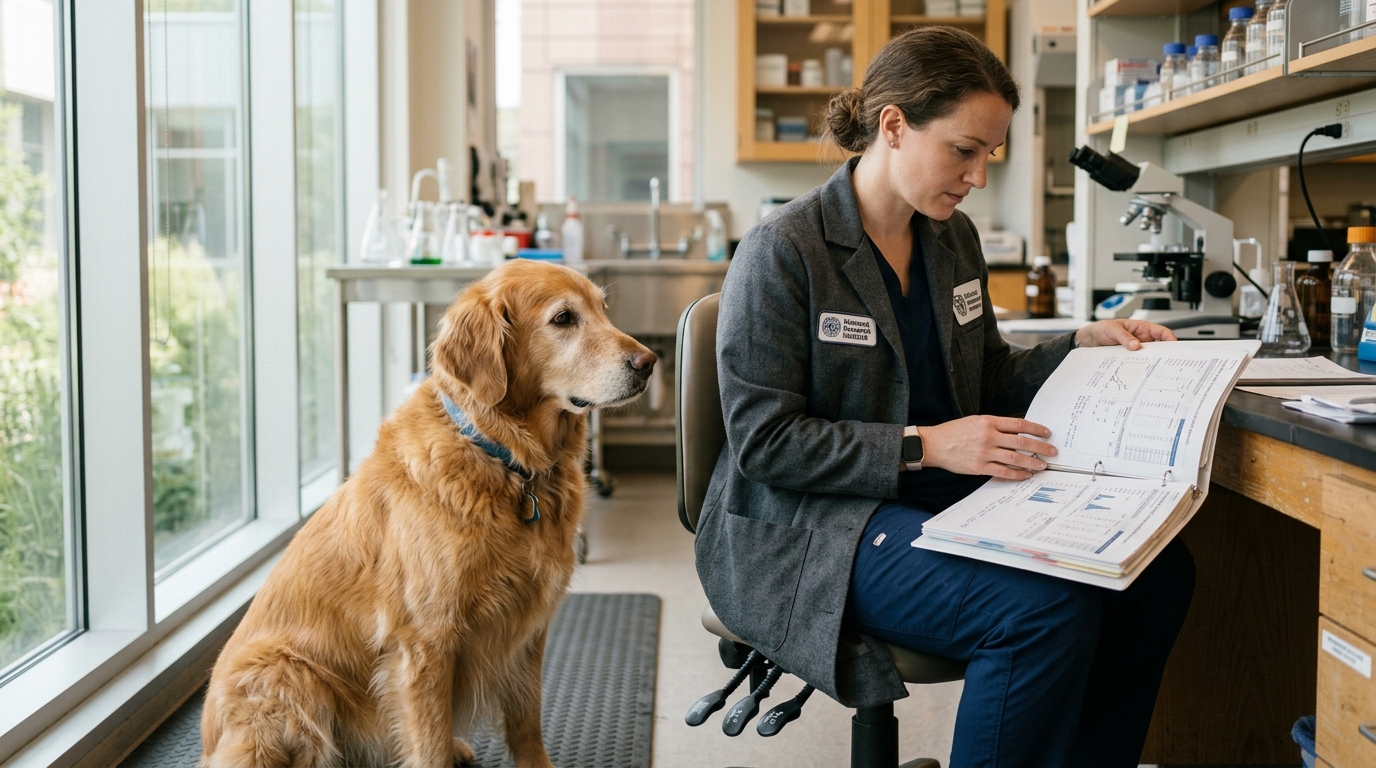
The paradigm of canine veterinary medicine is undergoing a historic shift from reactive symptom management to preventative veterinary geroscience. At the epicentre of this clinical evolution is rapamycin (sirolimus), a naturally occurring macrolide compound originally isolated from the soil bacterium Streptomyces hygroscopicus on Easter Island (Rapa Nui). Through nationwide clinical trials conducted under the landmark Dog Aging Project (DAP) and its double-blind, placebo-controlled TRIAD (Test of Rapamycin in Aging Dogs) trial, veterinary researchers at Texas A&M, the University of Washington, and the University of Georgia are establishing whether targeted modulation of cellular nutrient-sensing pathways can extend healthy canine life expectancy by 15% to 25%. For pet parents and integrative veterinarians evaluating longevity protocols in 2026, understanding exact pulse-dosing pharmacology, cardiac remodeling outcomes, and strict mandatory biomarker monitoring is the difference between safe life extension and preventable clinical toxicity.
- Primary Mechanism: Selective, pulse-dose inhibition of mechanistic target of rapamycin complex 1 (mTORC1), upregulating cellular macroautophagy, clearing damaged mitochondrial debris, and attenuating age-associated systemic inflammation (inflammaging).
- The TRIAD Dosing Standard: Intermittent, low-dose pulse administration (0.05 mg/kg to 0.10 mg/kg once weekly or split into twice-weekly doses). Chronic daily administration is strictly contraindicated due to off-target mTORC2 inhibition and immunosuppression.
- Cardiovascular Outcomes: Phase 1 & 2 companion dog clinical data demonstrated significant reversal of age-related cardiac decline, specifically improving left ventricular diastolic function, fractional shortening, and myocardial compliance without adverse systemic side effects.
- Mandatory Safety Screen: Prior to protocol initiation, senior dogs must clear a full geriatric baseline: Complete Blood Count (CBC), Complete Biochemical Profile, symmetric dimethylarginine (SDMA kidney baseline), fasting lipid panel (triglycerides/cholesterol), and complete urinalysis with urine protein-to-creatinine (UPC) ratio.
- Absolute Contraindications: Active bacterial, fungal, or viral infections; pre-existing chronic kidney disease (IRIS Stage 2 or higher); uncontrolled diabetes mellitus; hyperlipidemia; or surgical procedures planned within a 21-day window.
Rapamycin for Dogs: Longevity Dosing, TRIAD Trials & mTOR Inhibition
To understand why rapamycin has emerged as the premier pharmacological candidate for companion animal longevity, clinicians must examine the mechanistic target of rapamycin (mTOR) pathway. The mTOR kinase serves as the primary master regulator of cellular metabolism, integrating extracellular signals such as amino acid availability, growth factors (including IGF-1), and cellular energy status (ATP/AMP ratio). In juvenile and young adult dogs, active mTOR signaling drives essential cell growth, muscle protein synthesis, and tissue accretion.
However, in aging companion canines, hyper-sustained mTOR activity becomes pathogenic. Unchecked mTOR signaling suppresses autophagy—the vital intracellular cleanup process responsible for identifying, engulfing, and degrading misfolded protein aggregates, dysfunctional organelles, and leaky, ROS-producing mitochondria. As autophagy declines with chronological age, canine tissues accumulate senescent cells that secrete a toxic cocktail of pro-inflammatory cytokines, chemokines, and matrix metalloproteinases known as the Senescence-Associated Secretory Phenotype (SASP). This chronic, low-grade systemic inflammation (inflammaging) accelerates canine osteoarthritis, neurodegenerative cognitive decline, and cardiovascular remodeling.
Rapamycin functions by binding intracellularly to the immunophilin FK506-binding protein 12 (FKBP12). This drug-protein complex binds directly to the FRB domain of the mTOR kinase within mTOR Complex 1 (mTORC1), allosterically inhibiting downstream phosphorylation of substrates such as p70S6K and 4E-BP1. By dampening mTORC1, rapamycin effectively simulates the biological signaling of caloric restriction without caloric deprivation, reactivating baseline macroautophagy, reducing mitochondrial oxidative stress, and preserving cellular proteostasis across skeletal muscle, myocardium, and neural tissue.
Rapamycin Dosing for Dogs: Pulse Protocols vs. Continuous Administration
In human oncology and organ transplantation medicine, sirolimus has historically been administered at high, continuous daily doses to deliberately suppress cell-mediated T-lymphocyte proliferation and prevent graft rejection. This continuous exposure leads to secondary, off-target disruption of mTOR Complex 2 (mTORC2), triggering insulin resistance, hyperlipidemia, stomatitis, and impaired pathogen defense.
In companion animal geroscience, continuous daily administration is strictly avoided. Longevity protocols pioneered by the Dog Aging Project utilize an intermittent, low-dose pulse architecture. Because mTORC1 is acutely sensitive to rapamycin while mTORC2 requires continuous, long-term exposure to disassemble its complex, intermittent pulse dosing (administered once every 7 days, or twice weekly with a 3-day washout window) achieves potent transient mTORC1 inhibition and autophagy induction while leaving mTORC2 intact. This preserves normal glucose homeostasis, prevents lipid dysregulation, and maintains robust immune surveillance against opportunistic infections.
| Protocol Parameter | Conservative Geroscience Protocol | TRIAD Multi-Center Trial Standard | High-Dose / Transplant Regimen (Contraindicated) |
|---|---|---|---|
| Dosing Target | 0.025 – 0.05 mg/kg | 0.05 – 0.10 mg/kg | > 0.25 mg/kg daily |
| Administration Frequency | Once every 7 days (Weekly pulse) | Once or twice weekly (e.g., Mon / Thu) | Daily continuous administration |
| mTOR Complex Target | mTORC1 (Transient inhibition) | mTORC1 (Optimized autophagy clearance) | mTORC1 + mTORC2 (Complex disruption) |
| Immune System Impact | Immunomodulatory / Rejuvenating | Enhanced vaccination titers & T-cell vigor | Severe immunosuppression / Infection risk |
| Metabolic Safety Profile | Normal fasting glucose & lipids | Zero evidence of drug-induced diabetes | Hypertriglyceridemia, insulin resistance |
3. Cardiovascular Forensics: Left Ventricular Remodeling & Diastolic Functional Reversal
One of the most consequential clinical breakthroughs to emerge from the Dog Aging Project’s Phase 1 and Phase 2 trials was the quantitative demonstration of cardiac functional reversal. In middle-aged and senior companion dogs, progressive age-associated myocardial stiffening, left ventricular concentric hypertrophy, and impaired diastolic filling (diastolic dysfunction) represent ubiquitous markers of biological aging, frequently predisposing aging canines to congestive heart failure.
In a double-blind, randomized, placebo-controlled trial evaluating companion dogs over a 10-week low-dose rapamycin intervention, veterinary cardiologists measured cardiac geometry and mechanics via transthoracic echocardiography:
- Left Ventricular Diastolic Function: Dogs treated with low-dose sirolimus exhibited statistically significant improvements in transmitral Doppler flow parameters (specifically the E/A ratio and myocardial tissue Doppler early diastolic velocity e’), indicating improved ventricular relaxation and reduced myocardial stiffness.
- Systolic Function & Fractional Shortening: Left ventricular fractional shortening (FS%) and ejection fraction demonstrated measurable stabilization and mild enhancement without any compensatory heart rate elevations.
- Absence of Cardiac Hypertrophy: Wall thickness measurements (interventricular septum and left ventricular posterior wall dimensions in diastole) showed no pathological hypertrophic remodeling.
Crucially, these cardiac enhancements occurred in pet dogs living in normal home environments, demonstrating that transient, pulse-dose mTORC1 suppression can directly alleviate cardiac mechanical aging in large animal models sharing our human lifestyle and environmental exposures.
How to Monitor Canine Biomarkers on Rapamycin Therapy
Under no circumstances should rapamycin be initiated without comprehensive pre-treatment screening. While intermittent low-dose protocols possess an outstanding safety profile in healthy aging dogs, underlying subclinical organ dysfunction can be exacerbated if not identified prior to protocol commencement.
- Complete Blood Count (CBC): Baseline white blood cell count, absolute neutrophil count, and platelet count. Dogs with pre-existing leukopenia or thrombocytopenia must not initiate therapy.
- Comprehensive Serum Chemistry: Evaluation of hepatic transaminases (ALT, AST, ALP), albumin, total protein, and electrolyte balance.
- Early Renal Filtration Screening: Serum creatinine, blood urea nitrogen (BUN), and symmetric dimethylarginine (SDMA). Dogs demonstrating persistent SDMA elevations > 14 µg/dL (indicating Stage 2+ chronic kidney disease) should be deferred.
- Fasting Lipid Panel: Baseline triglycerides and total cholesterol to establish a clean metabolic baseline prior to mTOR modulation.
- Complete Urinalysis & UPC Ratio: Specific gravity assessment and quantitative urine protein-to-creatinine ratio to rule out occult glomerulonephritis or protein-losing nephropathies.
- Infectious Disease Screening: Depending on geographical region, screening for tick-borne pathogens (4Dx test for Lyme, Ehrlichia, Anaplasma) and heartworm status.
Following baseline clearance, dogs on an active protocol should undergo repeat laboratory testing (CBC, Chemistry, and SDMA) at Week 8 and Week 16, transitioning to every 6 months thereafter. Consistent laboratory oversight ensures that transient subclinical shifts in blood urea nitrogen, platelet counts, or serum triglycerides are detected early, allowing for temporary protocol pauses or dose titrations.
5. Adverse Effect Forensics: Distinguishing Clinical Myths from Real-World Data
Much of the clinical hesitation surrounding canine rapamycin stems from human transplant literature, where massive daily immunosuppressive dosages frequently cause mouth sores (aphthous ulcers), secondary bacterial infections, and delayed wound repair. Veterinary clinical trials have systematically monitored hundreds of client-owned companion dogs to establish true real-world event frequencies.
In companion animal trials utilizing pulse-dose regimens (0.05 to 0.1 mg/kg weekly):
- Infection Incidence: Dogs receiving low-dose rapamycin showed no statistically significant increase in opportunistic bacterial, fungal, or viral infections compared to placebo groups. In fact, laboratory rodent and non-human primate research demonstrates enhanced immune response to seasonal vaccinations following low-dose mTORC1 modulation.
- Gastrointestinal Symptoms: Mild, self-limiting diarrhea or transient soft stool occurs in approximately 5% to 8% of subjects, typically resolving within 48 to 72 hours without requiring medical intervention. Administering the weekly dose alongside a small whole-food meal substantially mitigates GI sensitivity.
- Wound Healing: Because mTORC1 signaling is involved in tissue proliferation, pulse-dosing should be temporarily paused at least 14 to 21 days prior to any scheduled elective surgery (such as dental cleanings with extractions or mass removals) and resumed only after complete primary surgical wound closure and suture removal.
Before initiating pharmacological geroscience interventions, ensure your dog has completed a full baseline clinical workup. Review our comprehensive clinical blueprint on Senior Dog Annual Exam Checklists: Essential Bloodwork, Lab Tests & Questions to Ask Your Vet, and monitor progressive filtration changes using our guide on Early Renal Biomarkers in Senior Dogs: SDMA vs. Creatinine Baseline Drift.
6. Sourcing, Compounding & Veterinary Partnership in 2026
Pet parents must exercise extreme caution regarding pharmaceutical sourcing. Commercial human sirolimus tablets (Rapamune) are formulated in 0.5 mg, 1 mg, and 2 mg strengths. Because accurate canine pulse dosing requires microgram precision (for example, a 12 kg dog on a 0.05 mg/kg protocol requires exactly 0.6 mg), splitting non-scored commercial enteric-coated tablets can result in unpredictable bioavailability and severe gastric degradation of the active compound.
The clinical standard of care in 2026 involves partnering with a licensed veterinary clinician who utilizes a PCAB-accredited veterinary compounding pharmacy. Compounding pharmacies can formulate enteric-coated micro-capsules or specialized delayed-release oral suspensions tailored to the patient’s precise body surface area or body weight in kilograms, guaranteeing uniform pharmacokinetic absorption and minimizing gastrointestinal mucosal contact.
Rapamycin represents the most biologically validated pharmacological intervention for mammalian healthspan extension currently undergoing peer-reviewed veterinary scrutiny. However, it is not a magic bullet that can replace foundational healthspan pillars. A senior dog consuming ultra-processed, high-carbohydrate kibble in an environment devoid of physical enrichment cannot overcome metabolic dysfunction through pharmaceutical mTOR inhibition alone. When integrated responsibly—under strict veterinary laboratory surveillance, utilizing conservative pulse dosing, and paired with clean whole-food nutrition and joint-preserving mobility protocols—rapamycin stands at the cutting edge of evidence-informed canine longevity.
7. Frequently Asked Questions (Veterinary Geroscience FAQ)
Clinical trials under the Dog Aging Project generally enroll dogs that have reached approximately 60% to 75% of their breed-predicted lifespan. For giant breeds (e.g., Great Danes, Mastiffs), this corresponds to 5 to 6 years of age; for large breeds (e.g., Golden Retrievers, German Shepherds), around 7 years; and for medium-to-small breeds (e.g., Dachshunds, Poodles), around 8 to 10 years. Initiating therapy prior to biological middle age offers minimal therapeutic upside and is unnecessary.
No. While continuous daily megadoses used in human kidney transplant patients suppress immune function, the intermittent, low-dose pulse protocol (administered once or twice weekly) selectively targets mTORC1 while preserving mTORC2. Clinical data from canine trials shows no increase in infection rates, and animal models demonstrate improved, rejuvenated immune response to viral and bacterial challenges under low-dose intermittent regimens.
Yes. Rapamycin exhibits no negative pharmacological interactions with omega-3 fatty acids (EPA/DHA), green lipped mussel extract, or glucosamine/chondroitin. In fact, combining whole-food anti-inflammatory nutrition with cellular autophagy enhancement provides synergistic support for senior canine joint mobility and chondrocyte preservation.
Clinical veterinary protocols typically evaluate rapamycin in structured cycles. Common protocols utilize a 6-month active cycle followed by a 1-to-2 month planned washout period, during which comprehensive blood panels and veterinary mobility evaluations are conducted before initiating subsequent cycles.
Treatment should be immediately suspended if a dog develops persistent diarrhea, vomiting, oral aphthous ulcerations, fever, unexplained lethargy, or any acute soft-tissue injury requiring surgical intervention. The protocol should remain paused until complete veterinary re-evaluation and resolution of symptoms.