
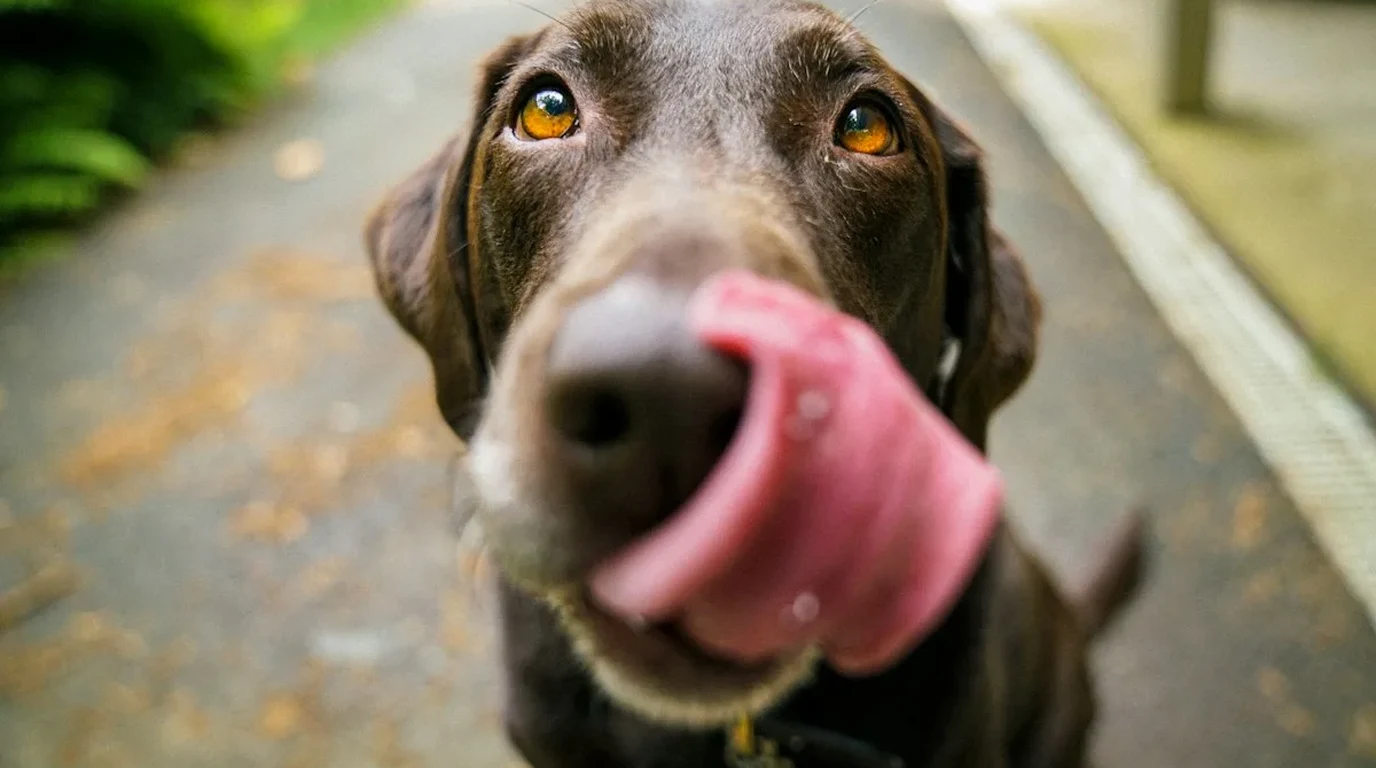
The gut-immune axis dictates over 70% of canine immune function. From recurrent yeast ear infections and environmental allergies to inflammatory bowel disease (IBD) and chronic loose stools, systemic dysbiosis is at the heart of many veterinary complaints. However, pet parents who purchase low-grade probiotic powders often see zero symptomatic improvement.
Why Do Most Commercial Dog Probiotics Fail to Colonize?
Our veterinary gastroenterology laboratory reviewed colony counts, fecal PCR assays, and short-chain fatty acid concentrations across dozens of commercial canine probiotic formulations.
Antibiotic-Associated Diarrhea Protection
When dogs are prescribed broad-spectrum antibiotics (such as amoxicillin-clavulanate or cephalexin) for skin or urinary infections, beneficial gut flora are wiped out. Administering Enterococcus faecium SF68 two hours after antibiotic dosing prevents opportunistic pathogen overgrowth and maintains mucosal barrier integrity.
| Probiotic Bacterial Strain | Gastric Acid Survival Rate | Target Clinical Veterinary Benefit | Evidence Quality Rating |
|---|---|---|---|
| Enterococcus faecium (SF68) | 92% survival at pH 2.0 | Acute stress diarrhea & antibiotic recovery | Grade A (Gold standard clinical trials) |
| Bifidobacterium animalis (AHC7) | 88% survival in stomach acid | Reduces duration of acute canine colitis | Grade A (Demonstrated colonization efficacy) |
| Lactobacillus acidophilus | Moderate acid survival | Modulates mucosal secretory IgA antibodies | Grade B (General immune barrier support) |
| Bacillus coagulans (Spore-forming) | 99% spore coat survival | Survives high-heat pet food manufacturing | Grade A (Ideal for functional treats) |
| Human Dairy Lactobacillus Strains | < 15% survival in canine gut | Unadapted to acidic carnivore stomach pH | Grade D (Mostly destroyed in transit) |
The Gut-Brain Axis: Canine Microbiome Architecture and Healthspan
The canine gastrointestinal tract houses over 100 trillion microorganisms that comprise the gut microbiome, representing the foundational regulatory hub for over 70% of the canine immune system. Through the bidirectional vagus nerve communication highway—known as the gut-brain-immune axis—microbial metabolites (specifically short-chain fatty acids like acetate, propionate, and butyrate) cross into systemic circulation, regulating neurochemistry, stress resilience, inflammatory tone, and systemic longevity.
When canine gut dysbiosis occurs—triggered by broad-spectrum antibiotics, processed kibble diets, or environmental toxins—beneficial commensal bacteria collapse while opportunistic pathogens (such as Clostridium difficile and pathogenic E. coli) bloom. Dysbiosis damages the mucosal intestinal barrier (“leaky gut”), allowing endotoxins into the bloodstream that drive systemic allergies, autoimmune conditions, and accelerated biological aging.
Strain-Specific Clinical Therapeutics: CFU Counts and Survivability
Selecting canine probiotics requires understanding that clinical benefits are strictly strain-specific. A generic label stating “contains probiotics” without identifying specific alphanumeric strain identifiers provides zero therapeutic guarantee:
- Enterococcus faecium SF68: The most extensively researched veterinary probiotic strain, clinically proven to shorten the duration of acute canine diarrhea and enhance mucosal IgA immune antibody production.
- Bifidobacterium animalis AHC7: Clinically proven to accelerate recovery from acute non-specific gastroenteritis by 48 hours compared to placebo.
- Lactobacillus rhamnosus GG: Superior cellular adhesion to canine intestinal epithelium, supporting intestinal barrier integrity and suppressing allergic atopic dermatitis flares.
- CFU Dosing and Acid Survivability: Therapeutic formulations must deliver at minimum 5 to 10 billion Colony Forming Units (CFUs) per daily serving protected by microencapsulation technologies to survive the harsh pH 1.0–2.0 environment of the canine stomach.
Prebiotics and Synbiotics: Fueling the Microbial Garden
Supplying live probiotic bacteria without providing fermentable dietary substrate is like scattering grass seeds onto barren desert sand. To establish permanent commensal bacterial colonies in the canine colon, therapeutic protocols must incorporate target prebiotics to create synergistic synbiotics.
Soluble prebiotic fibers—specifically Fructooligosaccharides (FOS), Inulin derived from chicory root, and Mannan-oligosaccharides (MOS)—resist gastric enzymatic digestion and reach the large intestine intact. There, beneficial bifidobacteria and lactobacilli ferment the prebiotic fiber into health-promoting Short-Chain Fatty Acids (SCFAs), lowering colonic luminal pH to an acidic 6.0 environment that naturally inhibits salmonella and pathogenic clostridia while nourishing colonic epithelial cells.
Soil-Based Organisms (SBOs) vs. Lactic Acid Probiotics
In addition to traditional lactic acid bacterial strains, veterinary gastroenterologists increasingly utilize spore-forming Soil-Based Organisms (such as Bacillus coagulans and Bacillus subtilis). SBO probiotics form an endospore protective shell that survives extreme manufacturing heat and stomach acid without refrigeration, germinating only upon reaching the alkaline environment of the canine small intestine to deliver reliable immunomodulatory benefits.
The Fecal Microbiota Transplant (FMT) Paradigm in Refractory Dysbiosis
When chronic canine gut dysbiosis fails to respond to oral probiotic supplementation—such as in severe cases of chronic enteropathy, inflammatory bowel disease (IBD), or post-chemotherapy microbial collapse—veterinary medicine utilizes Fecal Microbiota Transplantation (FMT).
FMT delivers a complete, diverse, and ecologically stable microbial ecosystem sourced from rigorously screened donor canines directly into the recipient’s gastrointestinal tract via oral freeze-dried enteric capsules or veterinary retention enemas. By transferring hundreds of co-evolved bacterial phyla, bacteriophages, and microbial metabolites simultaneously, FMT restores native mucosal barrier integrity and establishes long-term immune homeostasis where isolated single-strain probiotic supplements fall short.
Do not give your dog human yogurt or generic human probiotic capsules expecting therapeutic gut results. Look for veterinary-formulated supplements delivering minimum 5 to 10 billion Colony Forming Units (CFUs) of proven canine-specific strains in micro-encapsulated packaging.