
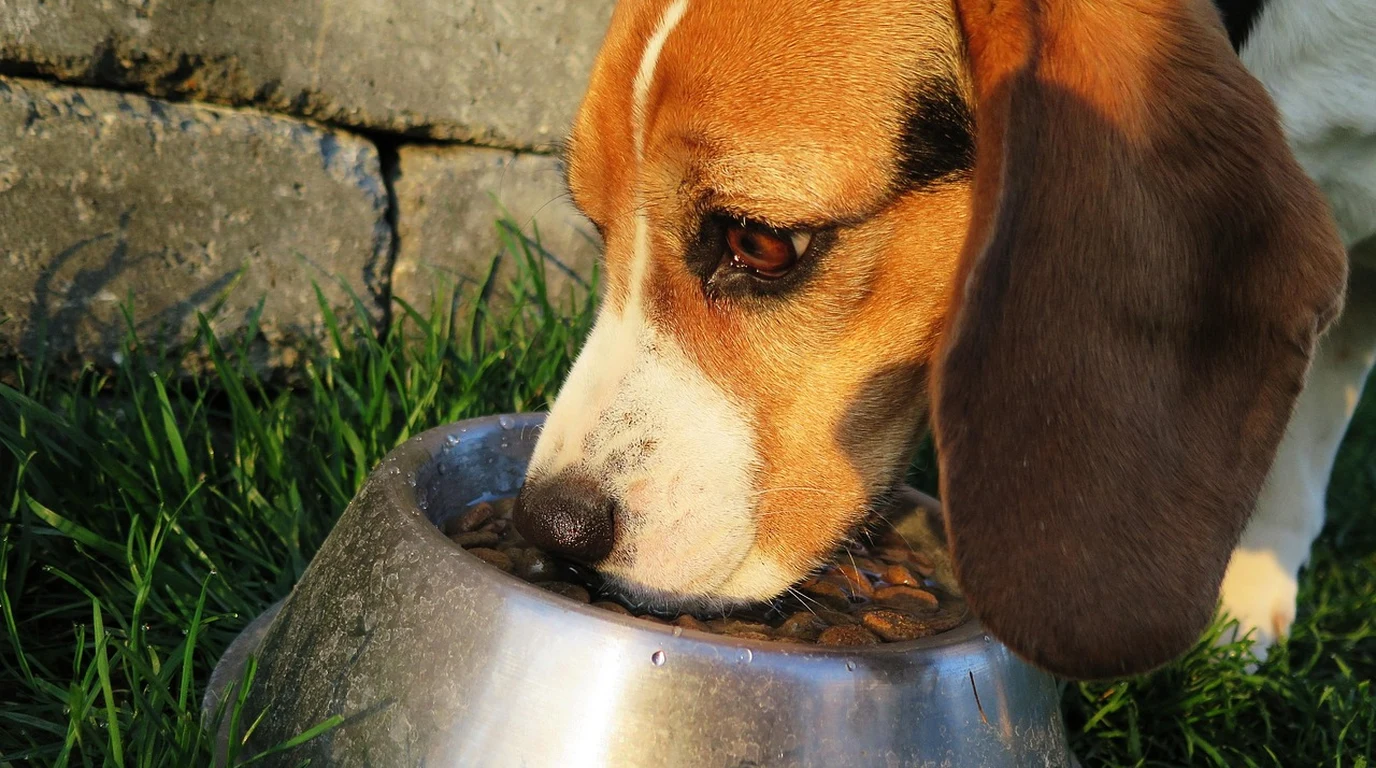
Few experiences are more distressing for a dog guardian than watching a beloved companion eat double their normal food rations while progressively wasting away to skin and bone. You watch them vacuum up every kibble, beg relentlessly at the dinner table, rummage through garbage cans, and even consume their own feces (coprophagia). Yet, when they step onto the veterinary scale, they have lost another two pounds, their coat is dry and brittle, and their stool is voluminous, pale yellow, and greasy, resembling cow pies.
When this heartbreaking constellation of clinical signs appears—particularly in breeds like German Shepherds, Rough Collies, and Cavalier King Charles Spaniels—the culprit is frequently Exocrine Pancreatic Insufficiency (EPI). The pancreas has suffered progressive acinar cell atrophy, losing over 90% of its ability to produce the essential digestive enzymes needed to break down macronutrients: lipase for fats, amylase for carbohydrates, and trypsin and chymotrypsin for proteins. The dog is literally starving in the presence of food. This evidence-informed clinical guide demystifies the diagnostic roadmap, enzyme incubation mechanics, dietary fat controversies, and long-term recovery protocols for canine EPI.
How Do You Diagnose and Manage Exocrine Pancreatic Insufficiency in Dogs?
Direct Answer: Canine EPI is definitively diagnosed using a fasted Canine Trypsin-Like Immunoreactivity (cTLI) blood test (values ≤2.5 µg/L confirm EPI). Treatment requires lifelong replacement therapy using porcine-derived pancreatic enzyme concentrate powder mixed into moist food with warm water and incubated for 15–20 minutes, paired with parenteral Vitamin B12 (cobalamin) supplementation and a highly digestible, low-fiber diet.
The single greatest clinical mistake made by well-meaning dog owners is attempting to treat suspected EPI with over-the-counter human plant-based digestive enzymes (such as bromelain, papain, or fungal amylase). Canine digestion operates at an intense gastric acidity (pH 1.0 to 2.0). Plant and microbial enzymes are almost entirely denatured by canine stomach acid before reaching the small intestine. Effective canine EPI therapy demands high-potency, pharmaceutical-grade lyophilized porcine pancreatic extract containing guaranteed United States Pharmacopeia (USP) units of lipase, protease, and amylase.
- The Diagnostic Gold Standard (cTLI): Routine chemistry panels cannot detect EPI. A 12-hour fasted Canine Trypsin-Like Immunoreactivity (cTLI) test is non-negotiable. Always pair cTLI with serum Cobalamin (B12) and Folate testing.
- The Critical Vitamin B12 Connection: Over 82% of EPI dogs suffer from profound secondary hypocobalaminemia. Because the canine pancreas produces intrinsic factor (required for B12 absorption in the ileum), dogs cannot absorb oral B12 without weekly subcutaneous injections or specialized methylcobalamin protocols.
- Porcine Enzyme Incubation Ritual: Mix 1 teaspoon of raw porcine enzyme powder per cup of moist food, add 2–3 tablespoons of lukewarm water (never hot, which destroys enzymes), and let sit at room temperature for 15–20 minutes to prevent oral bleeding and pre-digest macronutrients.
- The Low-Fiber Dietary Mandate: Dietary fiber impairs pancreatic enzyme activity. Insoluble and soluble fibers adsorb lipase and coat food particles, directly blunting fat digestion. Keep crude fiber below 3.5% on a dry matter basis.
The Canine EPI Treatment & Enzyme Protocol Matrix
The comparative matrix below outlines the three primary pancreatic replacement modalities, detailing bioactivity, cost, and clinical trade-offs:
| Treatment Modality | Active Ingredient Profile | Clinical Efficacy | Practical Liability / Trap |
|---|---|---|---|
| Porcine Enzyme Powder (Pancrezyme / Epizyme) | Concentrated freeze-dried porcine pancreas (USP Lipase >71,000 units) | Highest Efficacy (Veterinary Gold Standard) | High monthly cost ($80–$140/mo); can cause oral ulceration if unmixed |
| Fresh Raw Beef / Pork Pancreas | Whole organ pancreas sourced from butcher (3–4 oz per meal) | High Efficacy (Natural bio-matrix with co-factors) | Freezer storage logistics; parasite/pathogen risk; variable enzyme potency |
| Enteric-Coated Enzyme Capsules | Acid-resistant micro-pellets designed for human duodenum release | Poor / Erratic Efficacy in Canines | Pellets pass intact in canine stool due to rapid canine gut transit time |
The Costly Trap: Oral Ulcerations and the Vitamin B12 Blindspot
Two devastating pitfalls frequently stall recovery in newly diagnosed EPI dogs:
Pitfall 1: Oral Bleeding and Stomatitis from Dry Powder. Lyophilized porcine enzymes are caustic protein-digesting and fat-dissolving chemicals. If an owner sprinkles raw enzyme powder dry over dry kibble, the powder sticks to the dog’s oral mucosa, gums, and tongue. Within 48 hours, the dog develops severe mouth ulcers, bleeding gums, and refuses to eat. Always dissolve the powder completely in lukewarm bone broth, canned food, or warm water, allowing it to incubate for 15 minutes before serving.
Pitfall 2: Treating Enzymes While Ignoring Hypocobalaminemia. In healthy dogs, the pancreas secretes intrinsic factor, an essential glycoprotein that binds Vitamin B12 so it can be absorbed in the distal ileum. In dogs with EPI, intrinsic factor synthesis collapses. Even if you provide the perfect dose of enzymes, an untreated B12 deficiency leads to profound lethargy, ongoing weight loss, villous atrophy, and cognitive dullness. If serum B12 is below 350 ng/L, the dog must receive weekly subcutaneous cyanocobalamin or hydroxycobalamin injections (typically 250–1,000 mcg depending on body weight) for six consecutive weeks.
At-Home Clinical Care & Monitoring Protocol
If your dog was recently diagnosed with EPI or displays chronic greasy diarrhea and weight loss, implement this veterinary recovery roadmap today:
- Request the Complete Texas A&M Gastrointestinal Lab Panel: Ensure your veterinarian orders fasted serum cTLI, Cobalamin, and Folate simultaneously. Do not accept a plain chemistry panel as a rule-out.
- Calibrate the Baseline Enzyme Incubation: Start with 1 level teaspoon of USP porcine enzyme powder per 1 cup of food. Moisten thoroughly with warm (under 104°F / 40°C) water or low-sodium bone broth. Mix into a smooth slurry and incubate at room temperature for 15 to 20 minutes before feeding.
- Switch to a Low-Fiber, Moderate-Fat Diet: Eliminate high-fiber fillers, beet pulp, oats, and legumes. Feed a clean, highly digestible protein source (such as gently cooked turkey, white fish, or specialized low-fiber veterinary diets) with crude fiber <3.5%.
- Initiate B12 Therapy Immediately: If bloodwork confirms low B12, do not wait. Administer weekly subcutaneous cobalamin injections as prescribed by your veterinarian. Clinical improvement in appetite and stool consistency often follows within 10 days.
- Maintain a Stool & Weight Log: Weigh your dog on the same digital scale weekly. Track stool firmness using the Purina Fecal Scoring Chart. Once your dog stabilizes and regains lost muscle mass, you can slowly titrate the enzyme dose downward to find the minimum effective maintenance level.
Exocrine Pancreatic Insufficiency sounds like a terrifying life sentence when first diagnosed, but it is one of the most treatable severe gastrointestinal disorders in canine medicine. Once the triad of porcine enzyme incubation, injectable B12 repletion, and low-fiber nutrition is established, dogs with EPI regain their lost muscle mass, return to active vigor, and live full, happy, normal lifespans. Never lose hope during the first turbulent two weeks of dietary calibration.
Restoring digestive nutrient assimilation goes hand in hand with relieving compensatory musculoskeletal tension in senior dogs; explore our tactile recovery guide: Canine Massage & Acupressure: Senior Dog Joint Relief.