
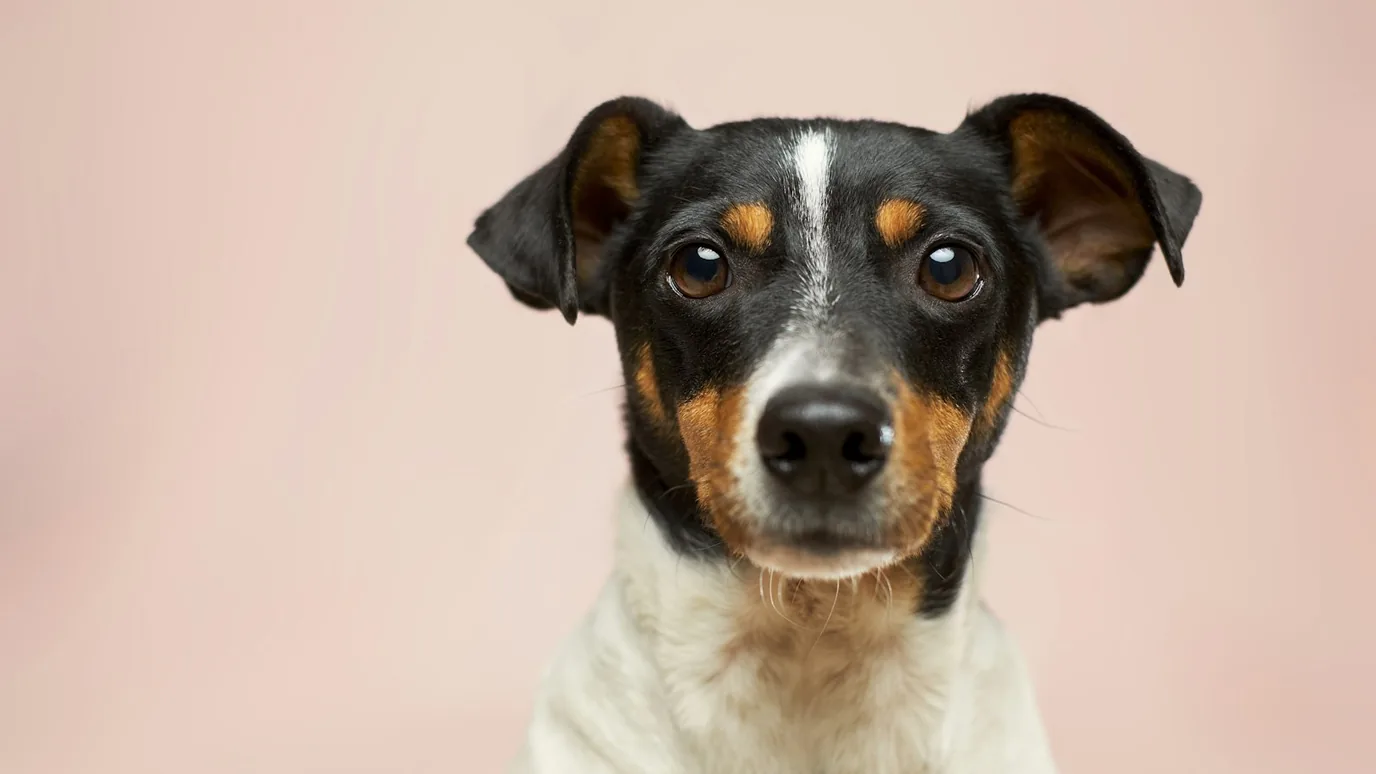
For centuries, dog guardians have operated under the conventional physical culture assumption that a tired dog is a good dog. Pet owners dutifully log miles of brisk sidewalk pavement walking or throw tennis balls in suburban parks until their dogs pant in physical exhaustion. However, for senior dogs with arthritic joints, recovering surgical patients, or dogs suffering from high anxiety, repetitive high-impact physical exercise can cause severe orthopedic inflammation and elevate systemic cortisol levels.
Modern canine neuroscience presents a radically superior alternative: olfactory enrichment and sensory scent work. A dog experiences the universe primarily through their nose, possessing over 300 million olfactory receptors compared to a human’s paltry six million. When a dog engages their olfactory cortex—whether foraging for treats hidden within a fleece snuffle mat, navigating an indoor search trail, or enjoying a dedicated ‘sniffari’ walk—their brain undergoes profound neurochemical transformations that lower heart rate, stimulate dopamine release, and trigger cellular neuroplasticity. This clinical guide examines the neurobiology of canine olfaction, audits snuffle mat construction and safety, and outlines sensory protocols to shield senior dogs from Canine Cognitive Dysfunction.
How Does Scent Work Support Canine Brain Longevity?
Direct Answer: Olfactory scent work directly activates the canine brain’s olfactory bulb, which occupies a proportional volume forty times larger than in humans. Foraging and sniffing activates the parasympathetic nervous system, reduces salivary cortisol, promotes neurogenesis (growth of new neural pathways), and provides profound cognitive enrichment that delays senior canine dementia without stressing arthritic joints.
Canines possess a specialized anatomical structure known as the vomeronasal organ (Jacobson’s organ) located in the roof of the mouth, dedicated to detecting non-volatile chemical pheromones. Furthermore, when dogs sniff, an aerodynamic slit in each nostril separates breathing air from scent air. A specialized bony sub-ethmoidal shelf traps volatile odor molecules, allowing the olfactory epithelium to analyze chemical signatures continuously even while the dog exhales. For a senior dog whose vision and hearing are dimming with cataracts and nuclear sclerosis, the olfactory system remains their sharpest, most comforting window to reality.
“Fifteen minutes of concentrated olfactory foraging in a dense snuffle mat or indoor scent box provides more mentally restorative stimulation than an hour of marching down a sidewalk on a tight leash. When you allow a senior dog to sniff without rushing them, you are providing the canine equivalent of solving complex crossword puzzles, directly preserving synaptic density and blunting the onset of cognitive decline.”
The Neurochemistry of Sniffing: Cortisol vs Dopamine
A ground-breaking study published in Applied Animal Behaviour Science investigated the physiological effects of nosework on domestic canines. Researchers observed that dogs given regular foraging opportunities showed a statistically significant increase in optimistic cognitive bias—exhibiting greater confidence and exploration in novel environments. Physiologically, active sniffing activates the parasympathetic ‘rest-and-digest’ branch of the autonomic nervous system, causing an immediate reduction in resting pulse and respiratory rate.
Simultaneously, successful scent tracking triggers dopamine release in the brain’s reward centers. Unlike the high-arousal, adrenaline-fueled excitement of chasing a ball (which spikes cortisol and keeps dogs in a hyper-vigilant state), scent work promotes focused, calm concentration that leaves dogs deeply relaxed and ready for restorative sleep.
Snuffle Mats vs Puzzle Feeders vs Lick Mats Matrix
Pet guardians can select from diverse cognitive enrichment tools depending on their dog’s physical limitations and cognitive goals:
| Enrichment Tool | Sensory Pathway | Primary Psychological Benefit | Ideal Canine Candidate |
|---|---|---|---|
| Fleece Snuffle Mat | Olfactory (Deep Nosing & Foraging) | Focus, mental exhaustion, cognitive slowing | Senior dogs, post-op bedrest, rainy day energy burn |
| Silicone Lick Mat | Gustatory & Oral (Repetitive Licking) | Endorphin release, acute anxiety suppression | Grooming anxiety, thunderstorm phobia, nail trims |
| Mechanical Puzzle Slider | Problem Solving (Pawing & Nudging) | Working memory, fine motor dexterity | High-drive working breeds, puppies |
| Indoor Box Scramble | Multi-Sensory (Tactile & Scent) | Environmental resilience, spatial navigation | Dogs with sound sensitivity or mild hesitation |
How to Introduce and Supervise a Snuffle Mat Safely
A snuffle mat is typically constructed of dense fleece fabric strips hand-tied into a perforated rubber base, creating hundreds of folds and crevices that simulate dense grass and ground cover. To ensure a rewarding experience and prevent destructive habits, follow these guidelines:
- Start Easy on Day One: Scatter high-value, aromatic dehydrated treats (such as freeze-dried liver or lung) loosely on top of the fleece folds without tucking them deep. Let your dog see the food so they understand the game immediately.
- Increase Depth Gradually: As your dog masters the concept, bury the treats deep into the fleece folds and underneath horizontal layers to encourage active nose rooting rather than visual scanning.
- Supervise and Remove: A snuffle mat is an active foraging game, not a chew toy. Once your dog has found all the food, praise them and calmly put the mat away in a cupboard. This prevents dogs from tearing or ingesting fleece strips out of boredom.
The Sniffari Protocol: Decompression Walking Mechanics
In addition to stationary indoor snuffle mats, dog guardians can implement structured olfactory excursions known as ‘Sniffaris’ or decompression walks. Unlike traditional structured neighborhood walks where dogs are kept in a tight heel on short 4-foot leashes, a sniffari reverses the behavioral hierarchy:
- Long-Line Freedom (10 to 15 Feet): Using a lightweight, biothane long-line attached to a secure Y-front harness (never a neck collar) allows the dog to explore natural grassy trails and park verges at their own self-directed pace.
- Zero Pulling Pressure: The guardian follows the dog rather than directing the route, pausing patiently whenever the dog encounters a high-interest olfactory scent mark.
- Olfactory ‘P-Mail’ Processing: Sniffing vertical telephone poles, grass patches, and tree trunks allows dogs to analyze chemical volatile pheromones left by neighborhood animals, satisfying evolutionary social curiosity without high-stress face-to-face dog meetings.
- Heart Rate Stabilization: Physiological field studies show that allowing dogs to explore on a loose long-line produces an immediate 15% to 20% drop in heart rate compared to walking under tight heel commands on concrete sidewalks.
People Also Ask
Are snuffle mats good for senior dogs with arthritis?
Yes, snuffle mats are among the best enrichment tools for arthritic dogs. They provide intense mental stimulation while allowing the dog to stand, sit, or lie down comfortably on an orthopedic bed without stressing joints.
Can a snuffle mat replace a daily walk?
While a snuffle mat cannot replace the cardiovascular benefits and outdoor socialization of a walk, 15 to 20 minutes of snuffle mat foraging burns equivalent mental energy to a 45-minute physical walk.
How do you clean and wash a dog snuffle mat?
Most high-quality fleece snuffle mats are machine washable. Place the mat inside a mesh laundry bag, wash on a gentle cold cycle with pet-safe detergent, and air dry thoroughly.
🐾 Companion Health Guide: Olfactory Enrichment & Neurochemical Regulation
Pairing oral decompression chewing with low-arousal scent work forms the ultimate neurological foundation for canine calm. Review our brain health blueprint:
Read CanineHorizon’s Full Investigation → Dog Chewing for Anxiety: Dopamine, Safety & Teeth Health