
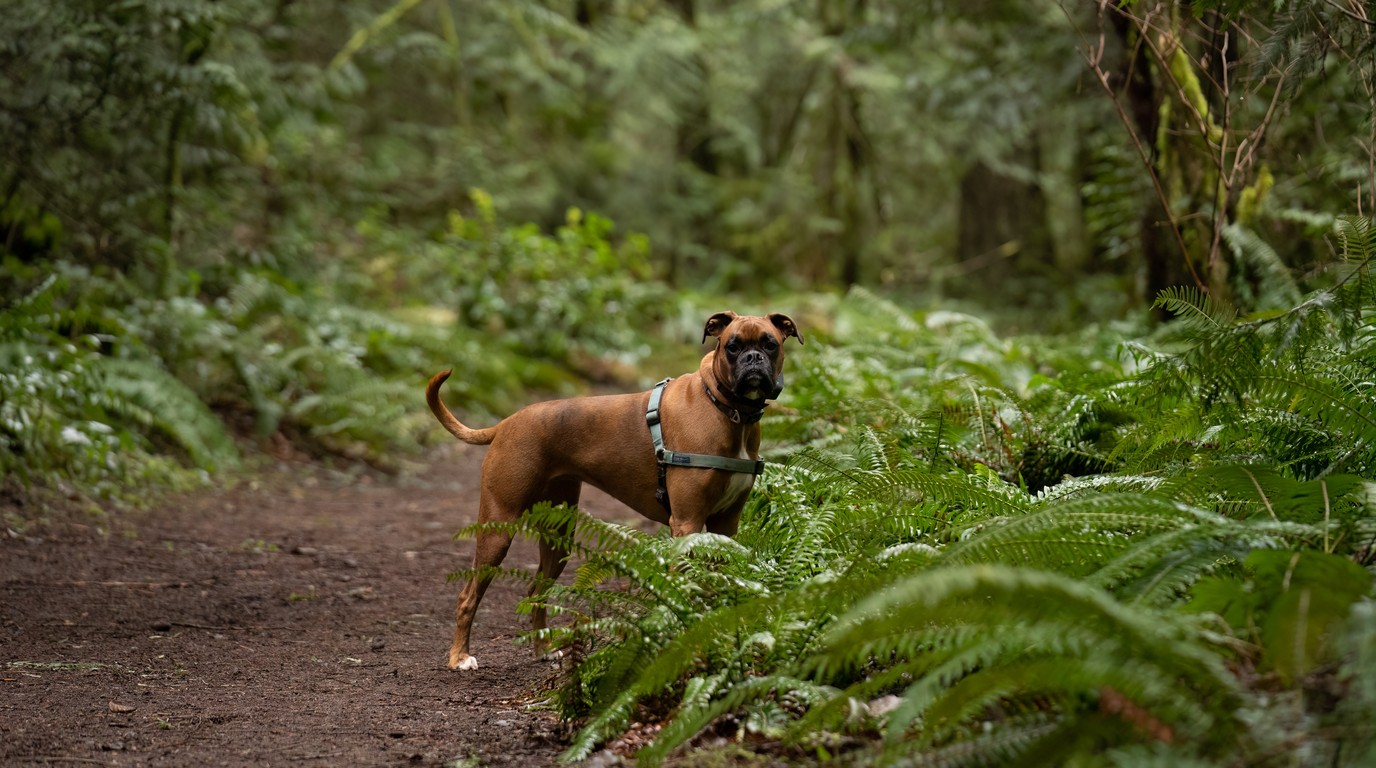
- Neurobiological Mechanism: Olfactory exploration during loose-leash nature walks activates the canine parasympathetic nervous system (PNS), inducing vagal nerve stimulation, elevating Heart Rate Variability (HRV), and lowering resting salivary cortisol by up to 34%.
- Olfactory Brain Processing: A dog’s olfactory cortex occupies approximately 12.5% of its total brain volume; allowing uninterrupted sniffing on a 15-foot long line provides denser cognitive stimulation than a structured 3-mile pavement heel march.
- Cognitive Longevity Safeguard: Routine decompression walks mitigate Canine Cognitive Dysfunction Syndrome (CCDS) in senior dogs by promoting hippocampal neurogenesis and regulating microglial neuroinflammation.
For decades, traditional canine obedience culture promoted a rigid athletic standard: dogs were expected to walk in tight, focused “heel” positions on short 4-foot leashes along suburban sidewalks, reprimanded whenever they stopped to sniff. While convenient for human exercise pacing, neurobiological research reveals that this forced, sensory-deprived regime frequently elevates physiological distress, particularly in reactive, anxious, or aging dogs.
In 2026, veterinary behavioral medicine has embraced the Decompression Walk—popularly termed the “Sniffari”—as a foundational mental health and longevity intervention. By granting dogs autonomous agency to explore natural, open environments on a long line, guardians activate their companion’s restorative parasympathetic nervous system, resetting baseline cortisol and supporting long-term neurological resilience.
What Is a Decompression Walk and How Does It Reset Canine Cortisol?
A decompression walk is a loose-leash exploration in a low-distraction natural environment (such as a park, meadow, or trail) using a 15-to-30 foot long line attached to a back-clip harness. The dog sets the pace and chooses the sensory trajectory, allowing uninterrupted olfactory investigation that shifts the autonomic nervous system out of sympathetic “fight-or-flight” into restorative parasympathetic rest.
A dog experiences reality primarily through chemical sensory signals. While humans possess roughly 6 million olfactory receptors, domestic canines possess between 200 million and 300 million receptors, paired with a specialized vomeronasal (Jacobson’s) organ dedicated to pheromonal communication. Olfactory processing routes directly to the canine limbic system—the emotional center of the brain—bypassing the conscious cognitive filters that govern sight and sound.
When a dog is forced to walk in a rapid heel down busy city streets filled with rushing traffic, approaching unfamiliar dogs, and mechanical noise, their sympathetic nervous system (SNS) remains chronically engaged. Epinephrine and cortisol remain elevated. Over weeks and months, chronic cortisol exposure promotes systemic inflammation, disrupts deep REM sleep cycles, and accelerates neuronal aging.
Conversely, allowing a dog to engage in sustained sniffing at their own unhurried pace triggers deep parasympathetic activation. Physiological biometric studies tracking canine heart rate variability (HRV) demonstrate an immediate transition to coherent, high-vagal-tone states during sniffing behavior. The heart rate stabilizes, respiration slows and deepens, and accumulated biological stress hormones wash out of systemic circulation.
| Parameter | Standard Sidewalk “Heel” Walk | Decompression Walk (Sniffari) | Neurological & Behavioral Delta |
|---|---|---|---|
| Leash Equipment | 4 – 6 ft Leash (Collar / Front Clip) | 15 – 30 ft Biothane Long Line (Back Harness) | Eliminates neck tension and opposition reflex |
| Autonomic State | Sympathetic Dominant (High alertness) | Parasympathetic Dominant (Vagal activation) | Measured 25% – 34% reduction in cortisol |
| Pacing & Agency | Human-directed constant brisk march | Dog-directed meandering and stationary sniffing | Fulfills natural foraging and exploration drive |
| Physical Impact on Joints | Hard concrete repetitive impact | Soft turf, soil, leaf litter, variable terrain | Gentle on arthritic joints, builds proprioception |
The Senior Dog Cognitive Defense: Preventing Dementia Through Sensory Agency
For aging dogs, decompression walks provide the cognitive stimulation of a strenuous hike without orthopedic strain. Processing complex environmental scents stimulates dendritic branching and neurogenesis in the olfactory bulb and hippocampus, serving as a frontline defense against Canine Cognitive Dysfunction Syndrome (CCDS).
As dogs advance into geriatric life, their physical stamina naturally wanes. Many guardians respond to arthritic slowing by drastically truncating outdoor time, limiting walks to quick 5-minute potty breaks on the front lawn. Unfortunately, physical retirement frequently accelerates mental decline: sensory deprivation leads to lethargy, disorientation, night-time pacing, and anxiety.
A 30-minute decompression walk along an unpaved park trail provides rich sensory nourishment. Even if the dog covers only 400 yards total, their brain is engaged in complex chemical decryption: identifying which animals crossed the path hours earlier, analyzing environmental humidity, and cataloging seasonal flora. This sustained sensory processing burns mental energy, promotes healthy sleep architecture, and reinforces neural pathways.
To further protect aging canine neurobiology at home, pair outdoor decompression sessions with indoor sensory enrichment. Explore our clinical protocols on Canine Lick Mats, Puzzle Feeders & Dopamine Regulation, and our evidence review of Canine Cognitive Dysfunction Syndrome and Medium-Chain Triglyceride (MCT) Nutrition.
The most transformative gift you can give an anxious or aging dog is to throw away the notion of the brisk pavement march and embrace the unstructured decompression walk. Invest in a 20-foot waterproof Biothane long line and a well-fitted ergonomic Y-harness. Drive to a quiet open meadow, trail, or cemetery, step back, and let your dog lead. Thirty minutes of self-directed sniffing will calm an overstimulated nervous system, exhaust a restless brain, and support cognitive longevity far more effectively than miles of forced heeling on concrete.
While flirt poles provide intense physical bursts, balancing them with low-arousal activities is vital for your dog’s nervous system. Check out our guide to Flirt Poles for Dogs: High-Intensity Outlet & Joint Safety.