
The Anatomy of Canine Sleep: Polyphasic Rhythms and the Glymphatic Cleansing Cycle
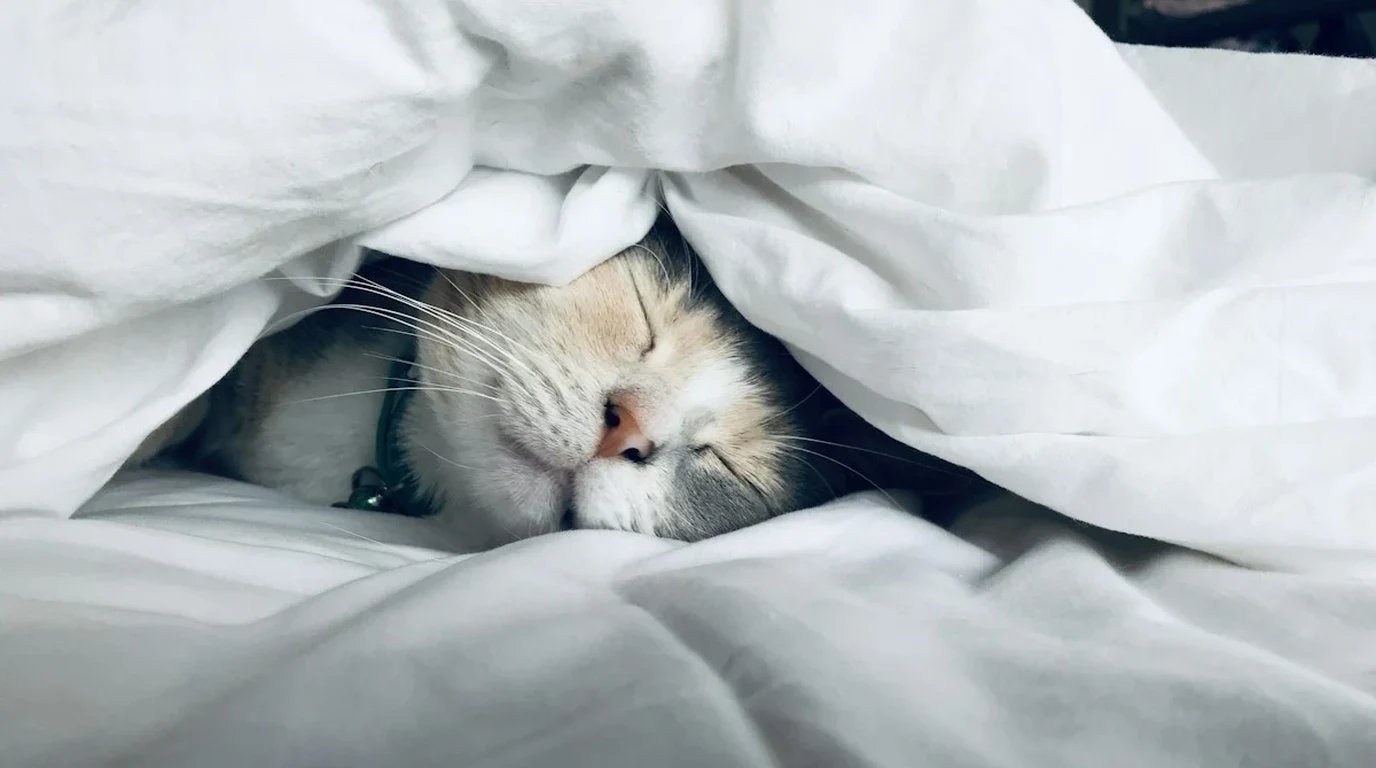
A dog sleeping soundly—twitching their paws, softly whining, and exhibiting rapid ocular movements—is actively engaged in REM sleep. Canines enter REM sleep approximately 20 minutes into a sleep cycle, compared to 90 minutes in humans. Because their sleep cycles are condensed, dogs rely on frequent, uninterrupted sleep bouts throughout both day and night to fulfill their biological recovery quota.
When an aging dog is repeatedly awakened by orthopedic joint pain, urinary incontinence anxiety, or erratic artificial lighting, they experience chronic REM sleep fragmentation. Over months, this sleep deficit impairs memory consolidation, inflames microglial cells, and drastically lowers stress resilience, turning mild anxiety into reactive behavioral aggression. To understand how neuroinflammation drives cognitive decline, explore our masterclass on Canine Cognitive Dysfunction Syndrome (CCDS) in 2026.
The Molecular Cascade of Senior Dog ‘Sundowning’
One of the most distressing challenges for senior dog owners is sundowning: a phenomenon where an older dog appears completely normal during daylight hours, but becomes profoundly restless, anxious, vocal, and disoriented as twilight approaches. This condition is directly driven by circadian neurochemical collapse:
- Suprachiasmatic Nucleus (SCN) Atrophy: The hypothalamic master biological clock loses neuronal density with age, impairing its ability to synchronize endogenous circadian oscillators with natural environmental light cycles.
- Melatonin Synthesis Failure: Calcification of the pineal gland drastically reduces nocturnal melatonin secretion, leaving the dog without the primary biochemical cue that signals systemic rest and parasympathetic dominance.
- Inverted Cortisol Curves: Healthy dogs experience a cortisol peak upon waking that tapers down by evening. In sundowning dogs, chronic stress and neurodegeneration invert this curve, causing nocturnal cortisol surges that induce racing heart rates and physical pacing.
| Sleep Stage | % of Total Sleep | Neurological & Biological Function | Consequence of Disruption |
|---|---|---|---|
| Drowsiness / Stage 1 | 30–35% | Transition from beta to alpha brain waves; muscle tone relaxes | Hypervigilance and startle reactivity |
| Non-REM Slow-Wave (Deep) | 50–55% | Glymphatic waste flushing, cellular repair, growth hormone release | Accelerated brain amyloidosis, immune suppression |
| REM Sleep (Dreaming) | 10–15% | Memory consolidation, emotional processing, neuroplasticity | Severe behavioral anxiety, irritability, cognitive fog |
The Clinical Circadian Restoration Protocol
To restore healthy sleep architecture and halt nocturnal disorientation, implement this comprehensive clinical regimen:
- Morning Direct Sunlight Exposure: Ensure your dog receives 20 to 30 minutes of natural outdoor sunlight within 60 minutes of waking. Natural photons stimulate melanopsin-containing retinal ganglion cells, synchronizing the suprachiasmatic nucleus and setting the biological timer for evening melatonin production.
- Evening Decompression & Olfactory Satiation: Replace intense evening ball-fetching with a low-arousal scent work session or lick mat 60 minutes before bedtime. Repetitive licking stimulates the vagus nerve and triggers endorphin and GABA release, as demonstrated in our protocols for Canine Lick Mats & Puzzle Feeders and Canine Decompression Walks & Sniffaris.
- Targeted Melatonin Pulsing: For dogs suffering from evening restlessness or sundowning, administer pure pharmaceutical-grade melatonin (free of toxic xylitol or artificial sweeteners) 30 to 45 minutes before sleep:
- Small dogs (<10 kg): 1.0 mg
- Medium dogs (10–25 kg): 1.5 – 3.0 mg
- Large dogs (>25 kg): 3.0 – 6.0 mg
- Orthopedic Ergonomics & Thermal Regulation: Senior dogs wake frequently when their joints compress against hard subflooring. Provide multi-layered dense memory foam beds with low-profile borders, coupled with non-slip floor runners to eliminate midnight slip anxieties outlined in Senior Dog Traction & Fall Prevention.